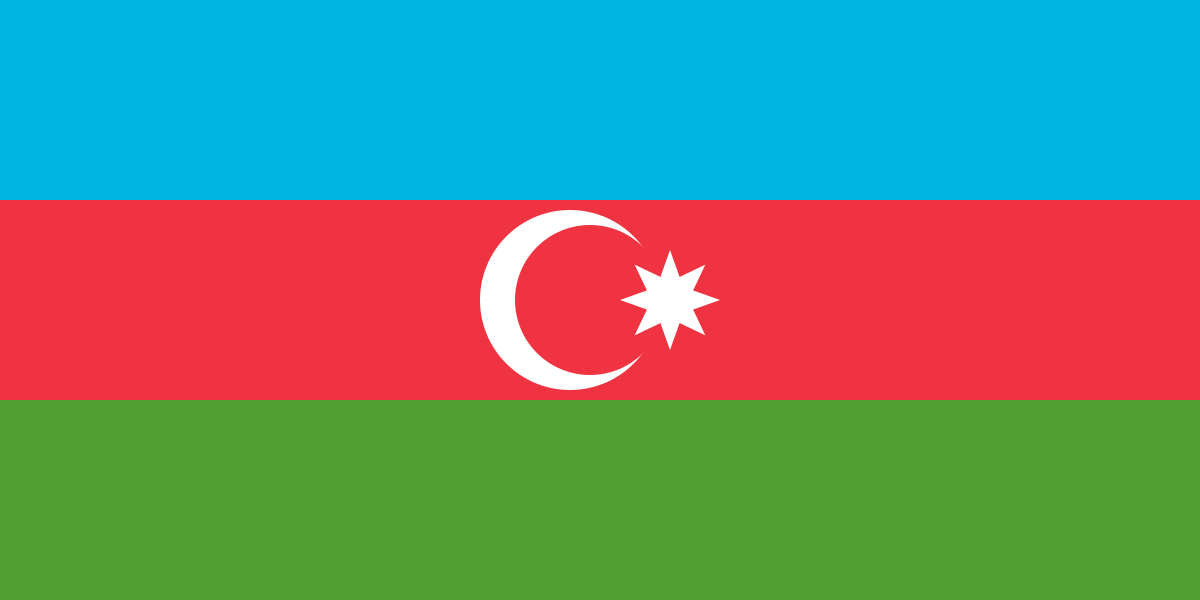
Introduction
Azerbaijan, located at the crossroads of Eastern Europe and Western Asia, is a country of rich cultural heritage and strategic significance. As one of the fastest-growing economies in the region, it boasts a vibrant tapestry of history, blending various influences over the centuries. With recent developments in geopolitics and energy, Azerbaijan has been gaining increased attention on the global stage, making it crucial for readers to understand its place in contemporary affairs.
Geopolitical Landscape
The geopolitical environment surrounding Azerbaijan continues to evolve, particularly due to the ongoing conflict with Armenia over the disputed region of Nagorno-Karabakh. The recent tensions have led to a ceasefire agreement brokered by Russia in late 2020 but remain fragile. The area’s historical significance adds to the complexity of the issue, and Azerbaijan’s efforts to reclaim sovereignty over the region have garnered considerable international interest.
Economic Growth and Energy Resources
Azerbaijan is rich in oil and natural gas resources, which have propelled its economic growth since the late 20th century. The country is a significant player in the Caspian Sea region, hosting pipelines like the Southern Gas Corridor that connects Europe with Caspian energy resources. As Europe seeks to diversify its energy supply away from Russia, Azerbaijan’s role is increasingly vital. According to the State Oil Company of Azerbaijan Republic (SOCAR), the country is expected to increase its gas exports to Europe significantly in the coming years.
Cultural Heritage and Tourism
Azerbaijan’s historic cities, such as Baku and Sheki, are treasures of culture and architecture, boasting a mix of ancient and modern styles. The iconic Flame Towers in Baku symbolize the country’s progressive stance while also celebrating its ancient past with sites like the Palace of the Shirvanshahs, a UNESCO World Heritage site. The government is increasingly investing in tourism infrastructure, aiming to attract international visitors to experience its rich traditions, cuisine, and hospitality.
Conclusion
The significance of Azerbaijan cannot be overstated, as it continues to shape its identity on the world stage through a combination of rich cultural heritage, strategic economic initiatives, and ongoing geopolitical challenges. With its growing importance in global energy markets and its unique cultural offerings, Azerbaijan stands at a pivotal point that warrants the attention of international observers and potential tourists alike. As events unfold, it will be vital for stakeholders to monitor developments in this dynamic region, offering insights into the broader implications for Europe and beyond.