Introduction
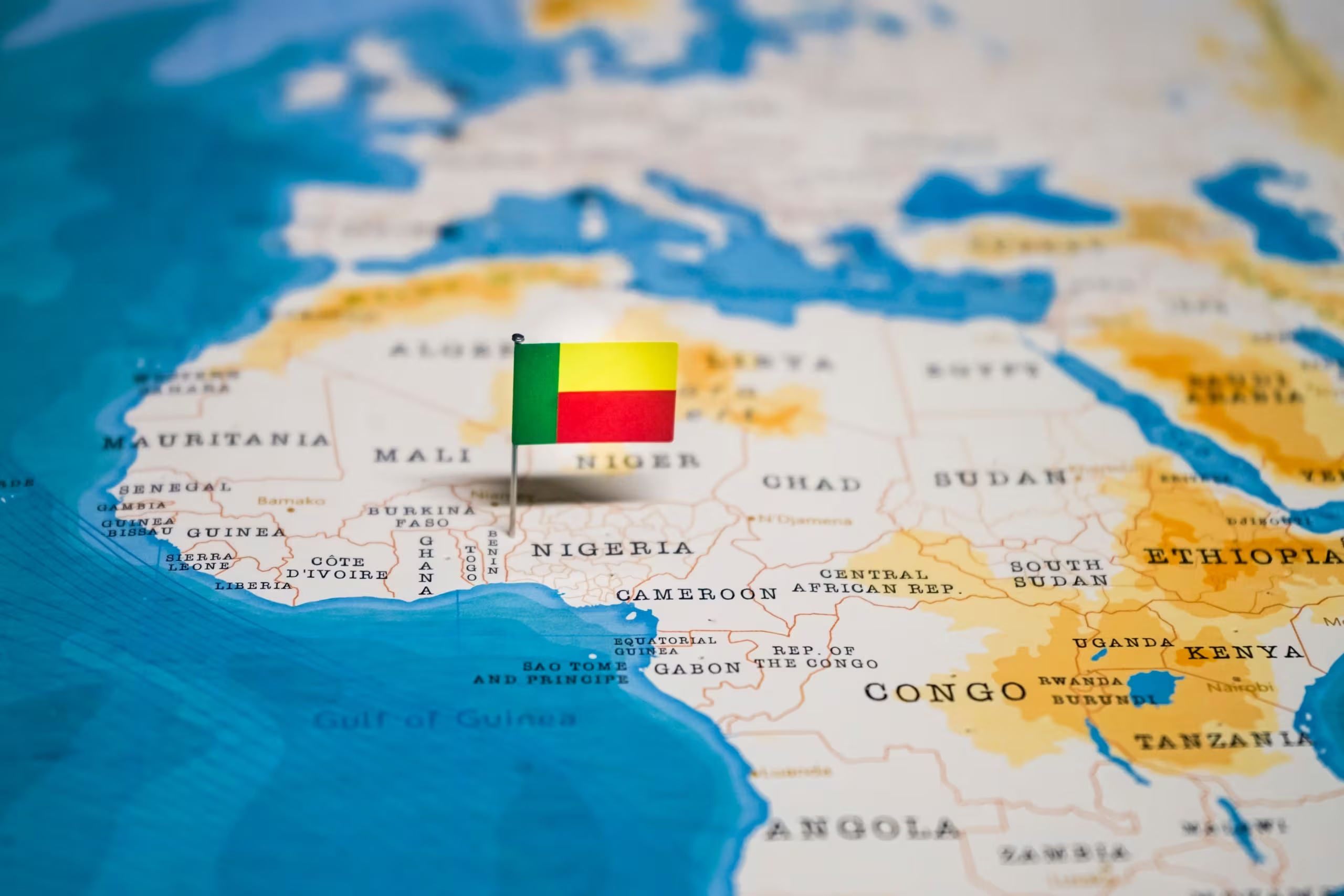
Benin, located in West Africa, is a country steeped in history and cultural diversity. Known for its rich traditions, vibrant art, and historical significance, Benin plays a crucial role in the narrative of Africa’s past. The country is often acknowledged for its contributions to the transatlantic slave trade, as well as its ancient kingdoms, most notably the Kingdom of Dahomey, which has greatly influenced the culture and practices observed today. Understanding Benin is essential not only for appreciating its unique identity but also for recognising its impact on the broader African diaspora and heritage.
Current Events and Cultural Importance
In recent years, Benin has been in the spotlight for its efforts to preserve and promote its rich cultural heritage. The government has actively promoted cultural tourism, encouraging both local and international visitors to explore its historical sites, such as the Royal Palaces of Abomey and the Ouidah Museum of History. These initiatives come in response to growing interest in the ancestral connections many Afro-descendants feel towards Benin, facilitating a revival of interest in voodoo culture, arts, and traditional practices.
Moreover, Benin is preparing for the return of significant cultural artifacts that were taken during colonial periods. France’s recent acknowledgments of its colonial past have prompted promises of repatriation for many Beninese artworks and relics. This has sparked excitement among citizens, who view the return of these heritage items as a means to reclaim their history and identity.
Challenges and Opportunities
Despite its vibrant culture, Benin faces challenges, particularly concerning economic development and political stability. The nation’s economy, largely based on agriculture and trade, is vulnerable to climate change and fluctuations in international markets. The government’s efforts to improve infrastructure and education are vital to sustaining its cultural heritage while promoting sustainable development.
Conclusion
Benin’s rich cultural fabric is a testament to its historical significance and the resilience of its people. As the nation continues to navigate the pathways of modernisation while honouring its past, the world watches to see how it balances development, cultural preservation, and the return of artefacts. For readers interested in exploring the dynamics of African cultural heritage and its global impact, Benin serves as a powerful example of history and identity intertwined in the quest for growth and recognition.