Introduction
The Federal Reserve, commonly referred to as the Fed, plays a crucial role in the economic stability of the United States. Its policies greatly influence financial markets, interest rates, and overall economic growth. In light of recent economic challenges, understanding the Fed’s actions has become increasingly relevant to investors, policymakers, and the general public alike.
Recent Events and Decisions
As of October 2023, the Fed has continued to navigate a complex economic landscape marked by high inflation and fluctuating growth rates. In September’s meeting, the central bank decided to maintain its current interest rates after a series of hikes earlier in the year aimed at curbing inflationary pressures. Chair Jerome Powell emphasised that the Fed is committed to its dual mandate: to promote maximum employment and stable prices.
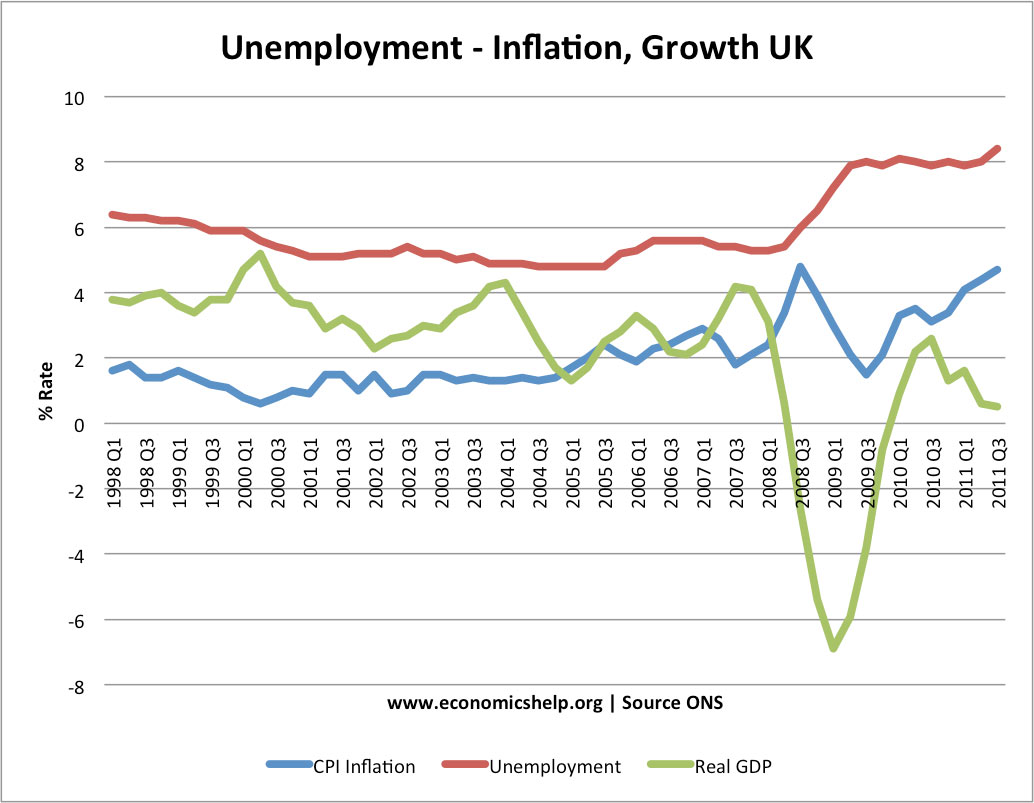
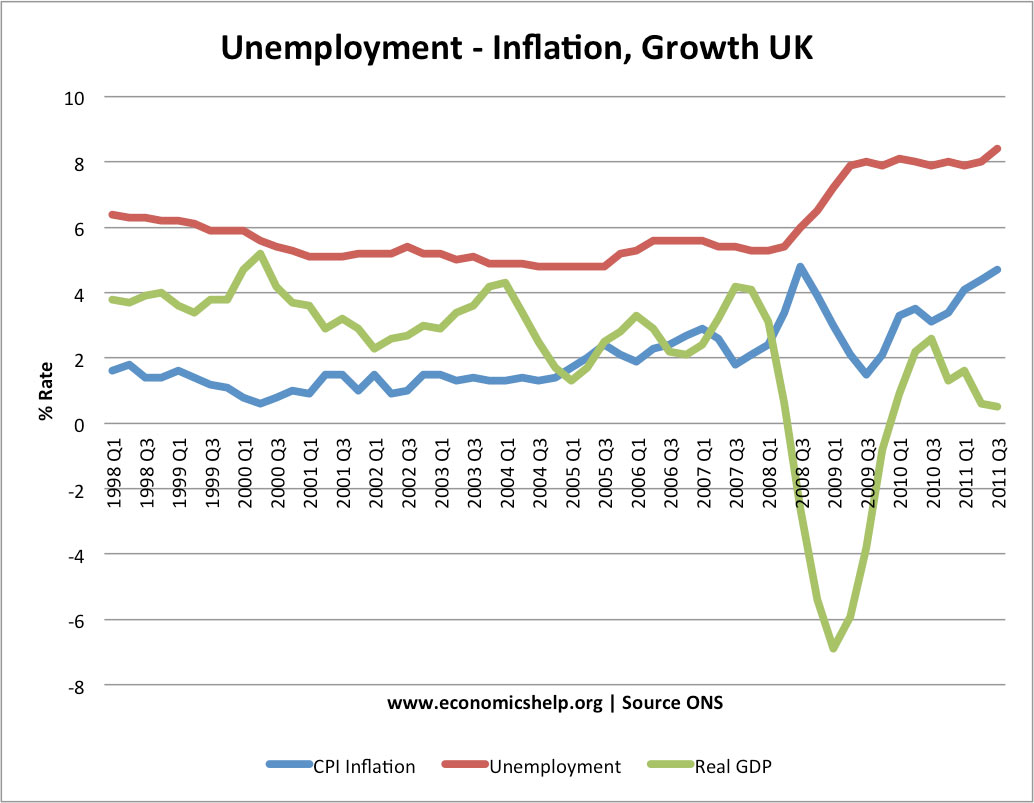
Recent data has shown a mixed bag for the U.S. economy. Although inflation rates have shown signs of moderating, they remain above the Fed’s target of 2%. This has prompted concerns about the potential need for further rate adjustments in upcoming meetings. Analysts speculate that if inflation does not continue to decline, the Fed may have to consider another rate hike before the end of the year.
The Impact on the Economy
The decisions made by the Fed have significant implications for various sectors of the economy. The housing market, for example, is particularly sensitive to interest rate changes. Higher rates often lead to increased mortgage costs, which can dampen housing demand and slow down home sales. Similarly, businesses relying on affordable loans for expansion may face rising costs, potentially stifling growth.
Moreover, global economic factors, including supply chain disruptions and geopolitical tensions, continue to affect the Fed’s decision-making process. As markets react to the Fed’s policies, investors face increased volatility, making it imperative to stay informed about the central bank’s outlook.
Conclusion
The Federal Reserve remains a vital institution in steering the U.S. economy through turbulent waters. As the Fed assesses upcoming inflation trends and market conditions, its decisions will undoubtedly shape economic realities for consumers and businesses alike. Looking forward, the likelihood of additional policy adjustments remains high, and stakeholders must be prepared for the consequent shifts. Understanding the Fed’s role and its influence on economic outcomes is essential for anyone navigating today’s financial landscape.