Introduction
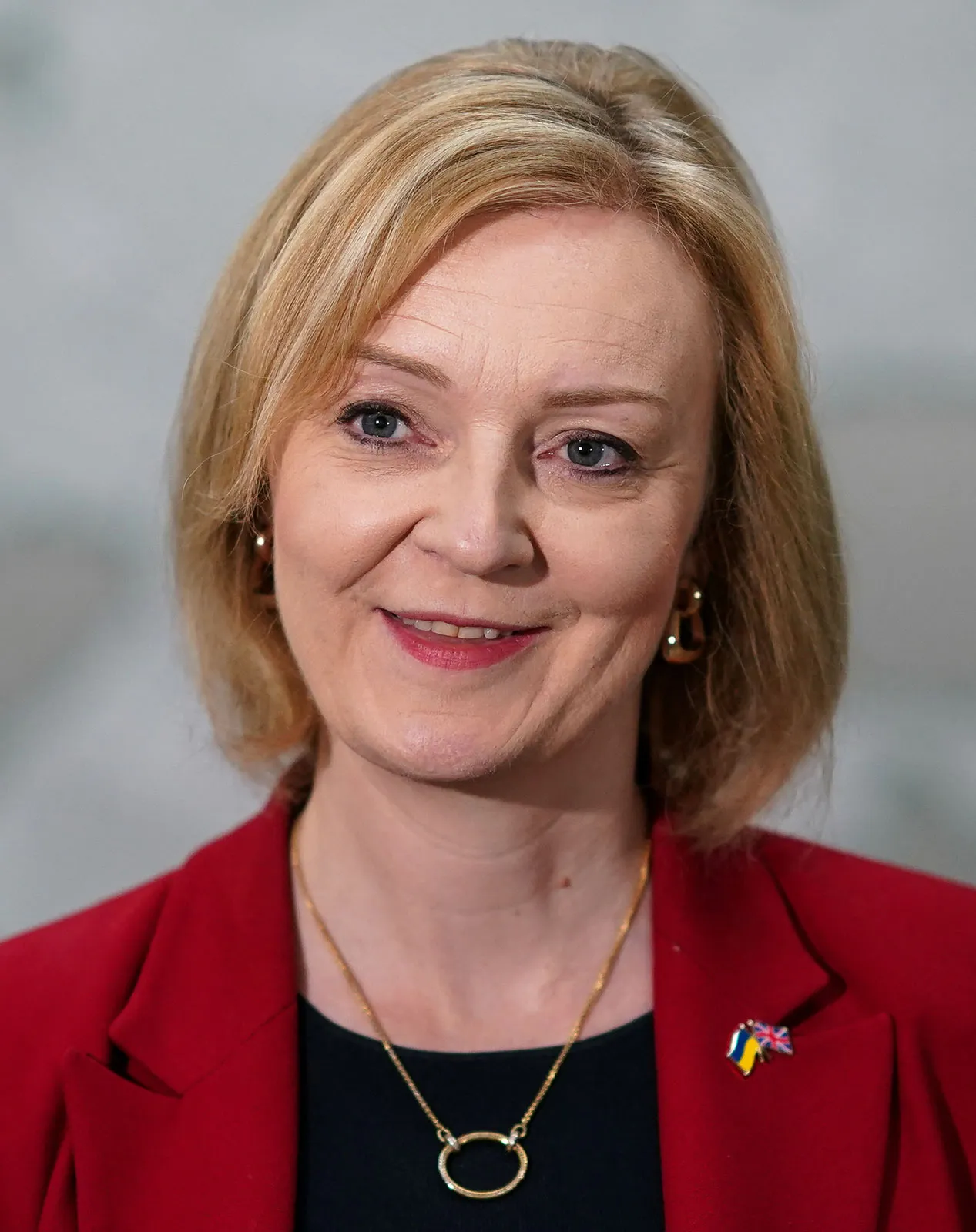
Liz Truss, the former Prime Minister of the United Kingdom, has recently been the subject of intense debate and analysis regarding her brief time in office and the implications of her policies. As a prominent Conservative Party figure, her political journey is significant, highlighting the challenges and dynamics of contemporary British politics.
Background and Rise to Prominence
Born on July 26, 1975, in Oxford, Liz Truss was educated at the University of Oxford, where she studied Philosophy, Politics, and Economics (PPE). She first entered politics by being elected as the Member of Parliament (MP) for South West Norfolk in 2010. Over the years, Truss held various ministerial positions, including Secretary of State for Environment, Food and Rural Affairs, and Secretary of State for International Trade, where she gained recognition for her advocacy of free trade.
Tenure as Prime Minister
Liz Truss became Prime Minister in September 2022, succeeding Boris Johnson, and she was the third woman to hold this office. However, her time in power was tumultuous and short-lived, lasting just 49 days before she resigned. The catalyst for her resignation was the backlash against her government’s mini-budget, which included significant tax cuts that led to economic instability and a devaluation of the pound.
During her brief tenure, Truss aimed to implement a series of bold economic reforms that she claimed would stimulate growth. However, the financial markets’ response was overwhelmingly negative, leading to a crisis of confidence in her leadership.
Current Relevance and Future Implications
Since her resignation, Liz Truss has remained active in political discourse, participating in various public speaking engagements and providing commentary on economic and international relations. She has expressed intentions to continue advocating for policies she believes in, highlighting issues like free trade and economic freedom.
Conclusion
The political journey of Liz Truss serves as a potent reminder of the complexities of leadership and economic policy-making in today’s uncertain environment. As the UK continues to navigate challenges ranging from the aftermath of Brexit to economic recovery, the lessons learned from her time in office will likely resonate with political strategists and the electorate alike. The significance of her experiences as Prime Minister could shape future Conservative policies and influence potential successors in the party.