
Introduction
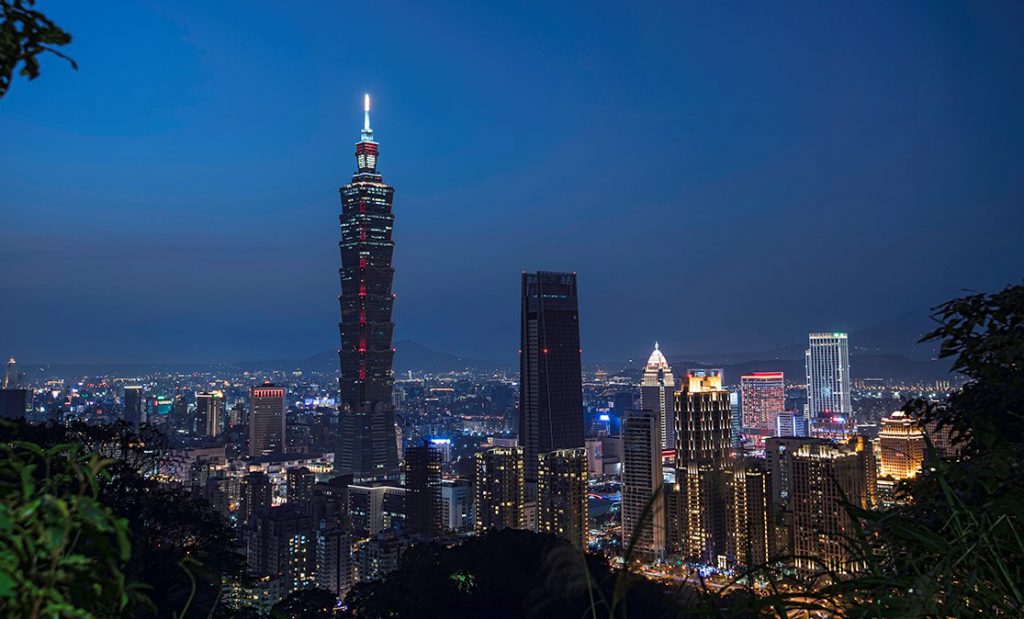
Taipei 101, a towering symbol of modern architecture and innovation in Taiwan, has captivated the world since its completion in 2004. Once the tallest building in the world, it stands at an impressive height of 508 metres (1,667 feet), showcasing a blend of traditional Asian design and cutting-edge engineering. Its significance extends beyond mere aesthetics; Taipei 101 is a beacon of Taiwan’s economic vitality and cultural identity, making it a topic of interest for both tourists and investors alike.
Architectural Features
Designed by the renowned architect C.Y. Lee, Taipei 101 was inspired by traditional Asian pagodas, featuring 8 sections that represent the eight trigrams of the I Ching. This homage to Taiwanese culture is reflected in its vibrant green, blue, and red glass façade, symbolising growth and harmony. Featuring 101 floors, the building boasts one of the fastest elevators in the world, reaching speeds of 60.6 km/h (37.7 mph) and transporting visitors to the observation deck on the 89th floor in just 37 seconds.
Economic Impact and Tourism
The economic significance of Taipei 101 is profound. It is not only a premier office space but also houses a high-end shopping mall, restaurants, and an observation deck that attracts millions of tourists yearly. In 2022 alone, it welcomed over 2 million visitors, contributing significantly to Taiwan’s tourism sector. The building serves as a symbol of resilience, particularly after the challenges posed by natural disasters and the global pandemic, highlighting Taipei’s recovery and growth.
Current Events and Developments
Recent developments surrounding Taipei 101 include urban development initiatives aimed at enhancing its surrounding area. The Taipei City Government has proposed integrating more green spaces and improving infrastructure to better accommodate the increasing number of visitors and to promote sustainability. In addition, as part of the celebrations for its 20th anniversary, plans for special events and exhibitions will further cement its status as a cultural landmark.
Conclusion
Taipei 101 is not just an iconic skyscraper; it embodies Taiwan’s unique blend of tradition and modernity. Its impressive height and architectural beauty are matched by its significance as a hub for commerce and tourism. As ongoing developments continue to enhance the area, Taipei 101 remains a quintessential part of Taipei’s identity and a vital contributor to its economic landscape. As it stands tall against the skyline, it is a reminder of where Taiwan has come from and where it aims to go in the future.