Introduction
The S&P 500, or Standard & Poor’s 500, is one of the most widely followed equity indices in the world. It represents the performance of the 500 largest publicly traded companies in the United States, providing a critical snapshot of the overall health of the U.S. economy and stock market. Understanding its movements and implications is essential for both individual and institutional investors, as it impacts investment strategies and market forecasts.
S&P 500 Overview
Created in 1957, the S&P 500 serves as a benchmark for the performance of large-cap stocks. It includes companies from various sectors such as technology, healthcare, finance, and consumer goods, reflecting the diverse nature of the American economy. As of October 2023, notable constituents include tech giants like Apple and Microsoft, alongside established companies such as Johnson & Johnson and ExxonMobil. The index is market-capitalisation-weighted, meaning larger companies have a greater influence on its performance.
Recent Performance Trends
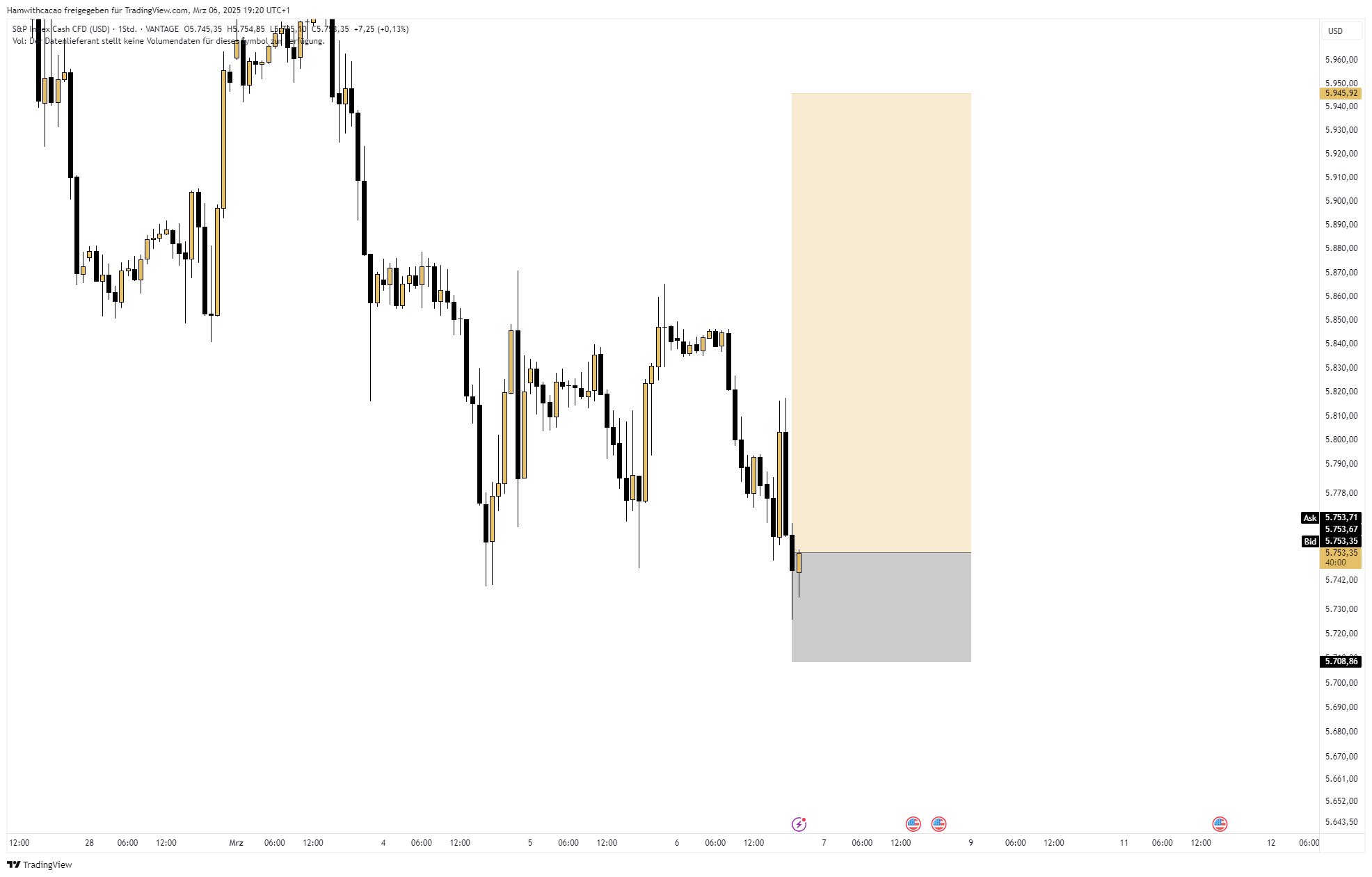
In 2023, the S&P 500 has experienced significant fluctuations influenced by several factors, including changes in interest rates, inflation concerns, and geopolitical events. In the first half of the year, the index saw a resurgence as companies reported robust earnings and economic indicators pointed towards a recovery from the pandemic. However, the latter part of the year has brought volatility due to rising inflation and potential Federal Reserve interest rate hikes, which have raised concerns over the sustainability of economic growth.
Implications for Investors
The S&P 500 is often used as a gauge of investor sentiment and market trends. It provides valuable insights for portfolio management and asset allocation. Many investment funds are benchmarked against the S&P 500, making its movements critical for fund managers. Furthermore, the index’s historical performance can be a guide for investors aiming to forecast future trends.
Conclusion
In summary, the S&P 500 index plays an integral role in the financial landscape, both as an investment yardstick and an economic indicator. Its performance not only reflects the state of the stock market but also signals broader economic trends that can influence investment decisions. As we move forward into an uncertain economic environment, the importance of monitoring the S&P 500 and understanding its drivers remains paramount for investors. Keeping abreast of developments related to this index will be crucial as financial markets continue to evolve.