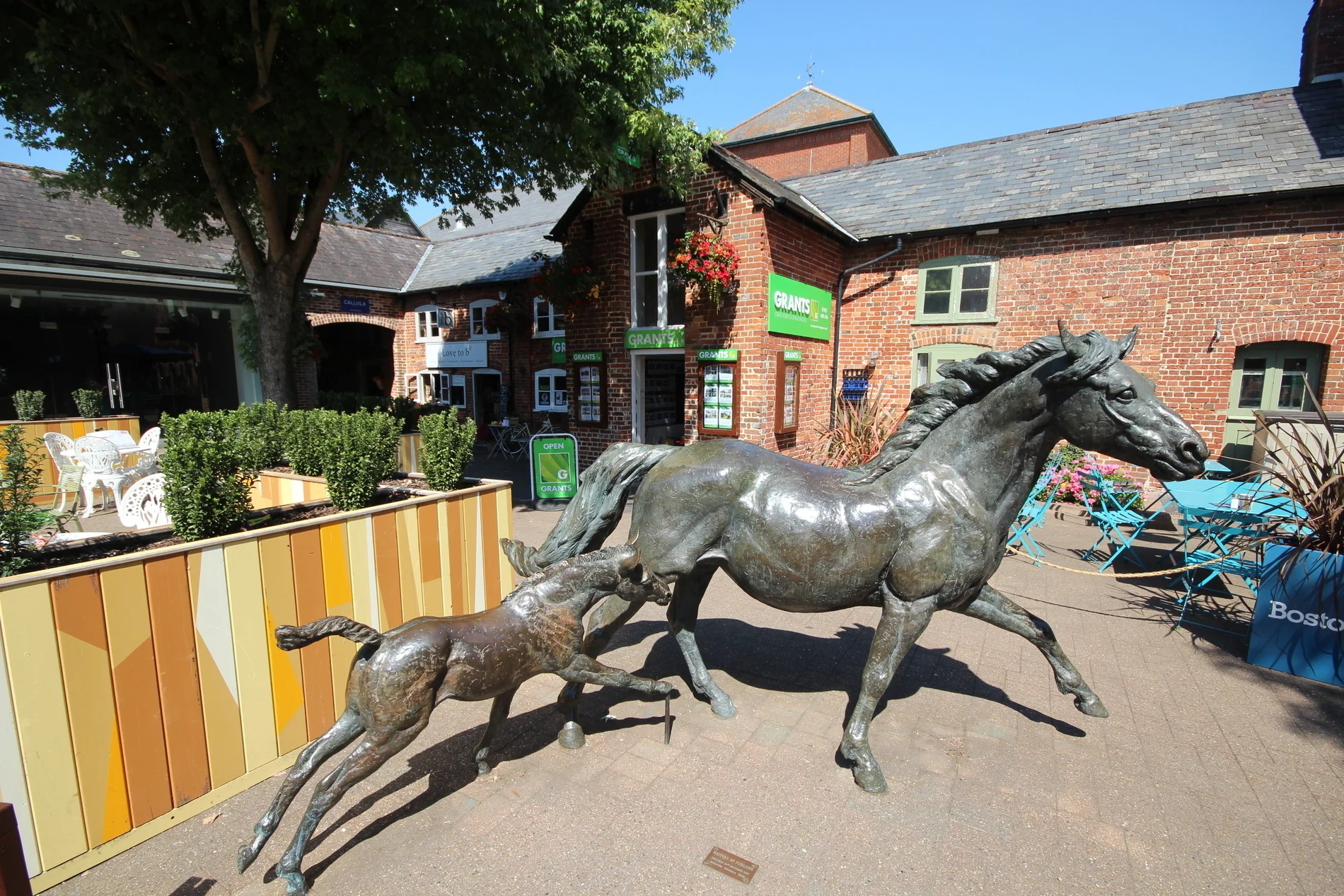
The Significance of Public Spaces
Public spaces are an integral part of urban and rural environments, facilitating social interactions and community engagement. Parks, plazas, and streets serve as vital areas where individuals can gather, relax, and participate in recreational activities, enhancing the quality of life in communities.
Current Trends in Public Space Utilisation
In recent years, especially following the COVID-19 pandemic, there has been a noticeable shift in how public spaces are utilised. Many cities have transformed streets into pedestrian-friendly areas, allowing for outdoor dining and socialisation while maintaining health guidelines. This shift is evidenced by initiatives in cities like London and New York, where local governments have reallocated roadways to incorporate more public seating and greenery.
Challenges Facing Public Spaces
Despite their importance, public spaces face several challenges. Urban development often prioritises commercial and residential projects over sustainable public areas. Furthermore, inadequate maintenance can lead to deterioration and reduced usage. According to a recent study from the University of London, nearly 30% of the city’s parks have been reported as underfunded and neglected, undermining their potential benefits to the community.
The Future of Public Spaces
Looking ahead, the future of public spaces appears promising yet requires careful planning. As communities continue to recover from the pandemic, there is an opportunity to redesign and rethink these spaces to be more inclusive, accessible, and adaptable to the needs of diverse populations. Advocates for urban planning suggest incorporating more green spaces and community-driven projects to enhance resilience and cultural interaction within public areas.
Conclusion
Public spaces play a critical role in fostering community well-being and social interaction. Their future hinges on robust planning and investment to address current challenges and embrace innovative uses. By prioritising the development and maintenance of public areas, communities can enhance their social fabric and improve quality of life for all residents.