Introduction
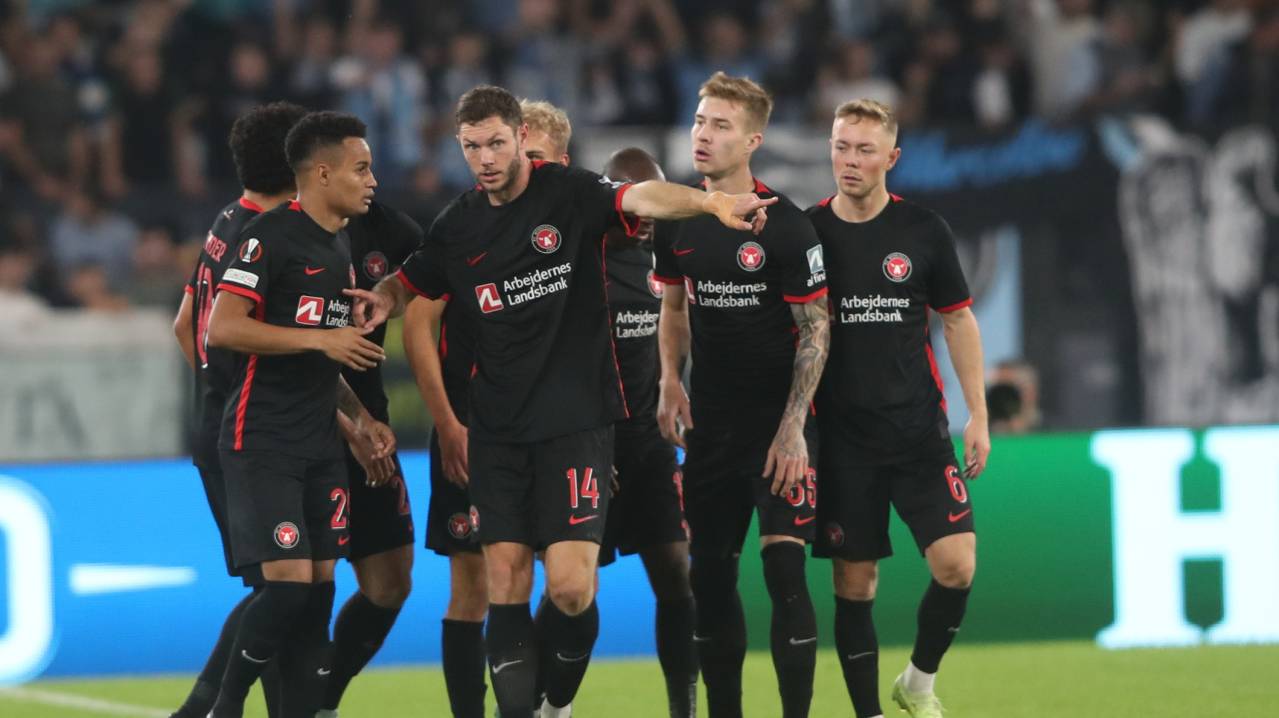
FC Midtjylland, a professional football club based in Herning, Denmark, has become a significant player in both domestic and European football over the past two decades. Known for their innovative approach and strong youth academy, the club has gained recognition for challenging the traditional giants of Danish football, such as FC Copenhagen and Brøndby IF. The evolution of FC Midtjylland is not just a story of success but also an indicative trend of how clubs can achieve excellence through strategic planning and investment.
Club History and Achievements
Founded in 1999, FC Midtjylland arose from a merger between two local clubs: Ikast and Herning Fremad. The club’s earliest successes came in the early 2000s, but it was not until the mid-2010s that they started making significant strides on the national and international stages. In 2015, FC Midtjylland won their first Danish Superliga title, a feat they successfully repeated in 2018 and 2021. Their pragmatic style of play and shrewd player recruitment strategies have played vital roles in their triumphs.
The club has also made waves in European competitions. In the 2020-2021 UEFA Champions League, FC Midtjylland qualified for the group stage, competing against Europe’s elite. They became the first Danish club to be crowned Superliga champions without the prior necessity of winning a domestic cup, underscoring their unique approach to football.
Recent Developments
As of the latest season, FC Midtjylland continues to invest in young talents, fostering homegrown players to maintain their competitive edge. The club’s youth academy has gained recognition for producing several key players who have gone on to represent Denmark at various levels. This focus on youth development not only strengthens the squad but also enhances the club’s financial sustainability.
Moreover, FC Midtjylland’s innovative use of analytics and data has set them apart from their competitors. Their commitment to adopting technologically advanced training methods is reflective of the club’s vision to remain at the forefront of football strategy, appealing to a new generation of fans and potential players.
Conclusion
FC Midtjylland is a shining example of what can be achieved through strategic vision, innovation, and youth development in football. As they continue to challenge the status quo in Danish football, their future looks promising not only in domestic leagues but also on the European stage. For fans and stakeholders, FC Midtjylland represents hope for a fresh and modern approach to the beautiful game, ensuring their place in football’s evolving landscape.