The Importance of Prototaxites
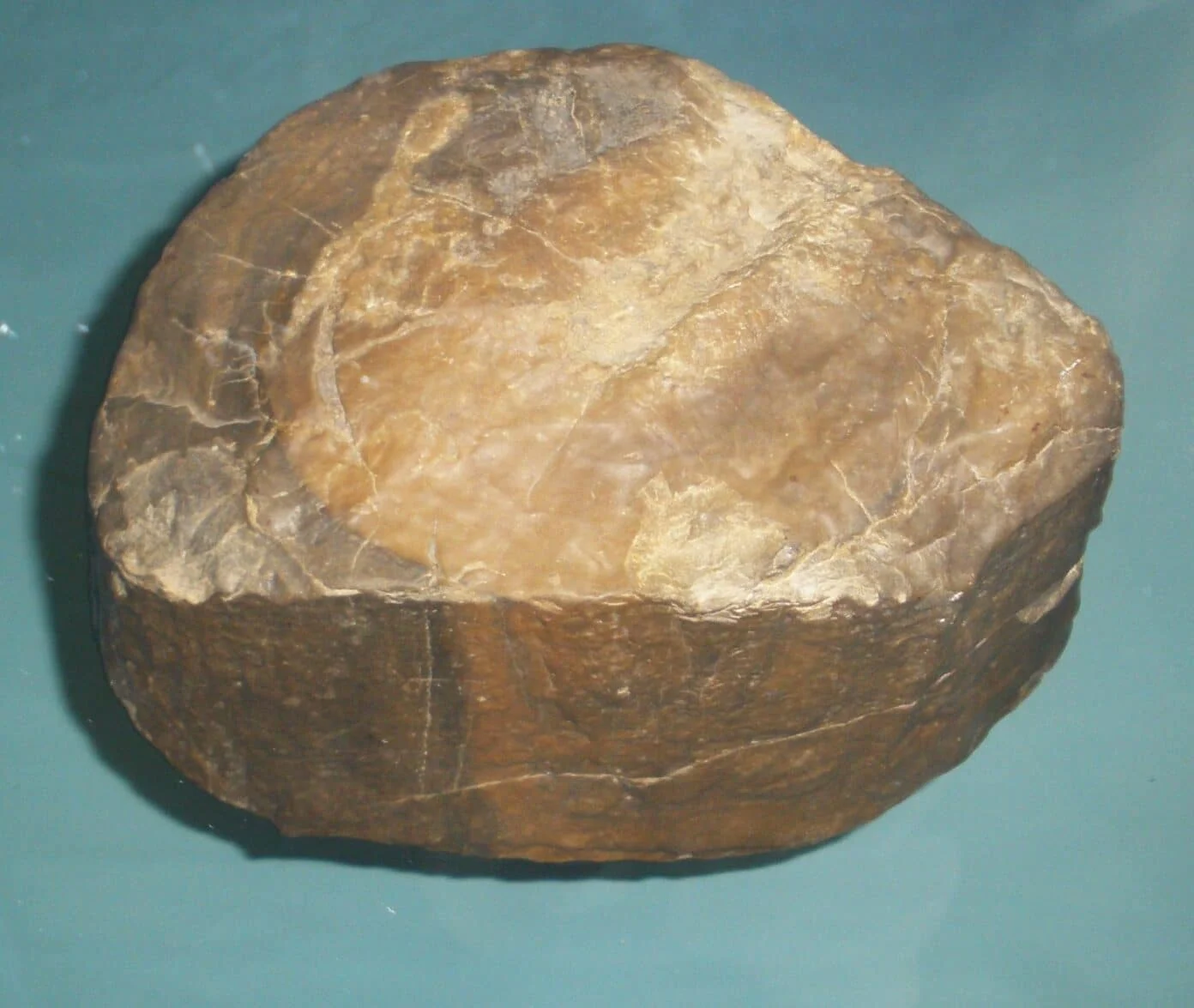
The discovery of Prototaxites fossils is significant because they represent some of the earliest known terrestrial life forms. Originally thought to be a type of tree or large fungus, Prototaxites existed during the Late Silurian to the Late Devonian periods, roughly 420 to 360 million years ago. Recent studies have shown that these giants, which could reach heights of up to eight metres, were more closely related to fungi than trees, giving scientists valuable insights into the evolution of both plant and fungal life.
Recent Discoveries in Scotland
In October 2023, a team of palaeontologists announced the discovery of a remarkable Prototaxites fossil near the coastal regions of Scotland. This find is particularly important as it expands the known geographical range of these fossils, which were previously less documented in the British Isles. The Scottish fossil site, located in a sedimentary rock formation, shows remarkably preserved specimens that provide clues to the ecological conditions of prehistoric Scotland.
These fossils reveal the size and structure of Prototaxites, with some specimens displaying intricate ring patterns indicative of growth patterns similar to those seen in modern trees. Dr. Emily Blackwood, a leading researcher on the project, remarked, ‘This discovery not only adds to our understanding of Prototaxites but also underscores the unique ancient ecosystems that existed in Scotland millions of years ago.’ The fossils suggest that these organisms played a crucial role in the stabilization of soil and the development of early forest ecosystems.
Implications of the Findings
The implications of the Prototaxites discoveries in Scotland extend beyond academic interest. They could lead to new discussions about carbon cycling during the Devonian period, a time when life was rapidly evolving on land. Proper understanding of these ancient organisms helps researchers draw parallels to current climate change scenarios and forest dynamics. Furthermore, this discovery may spur interest in Scotland’s prehistoric past, encouraging future explorations and potential archaeological tourism.
Conclusion
The finding of Prototaxites fossils in Scotland is a significant stride in palaeobotanical research, enabling scientists to further unravel the complexities of early life on Earth. As research continues, it is anticipated that this fossil site and others will provide more insights into the relationship between ancient organisms and their environments, crucial for understanding modern ecosystems. Enhanced collaboration among scientists worldwide may unfold new discoveries that illuminate our planetary history.