Introduction to the Conference League
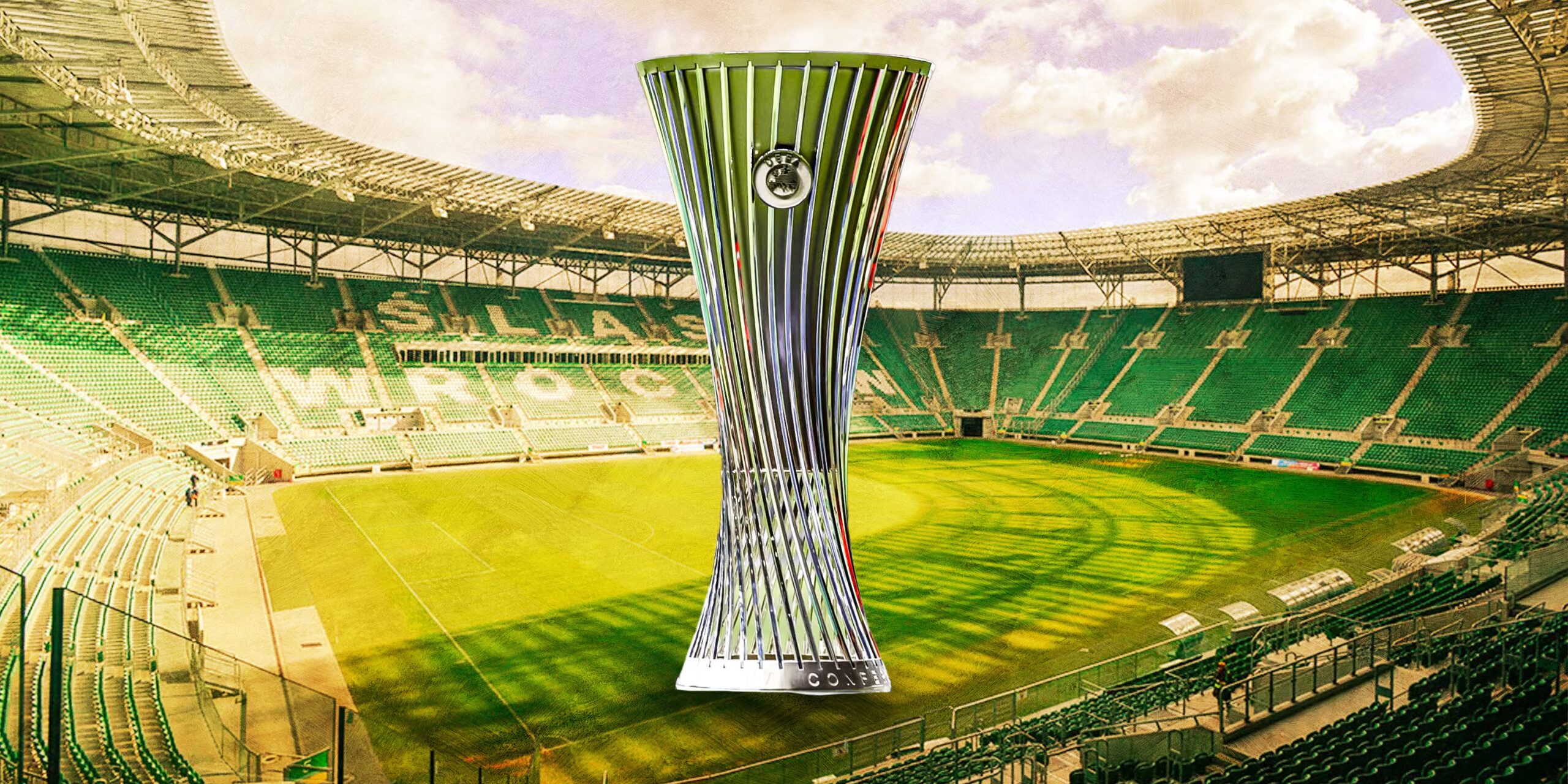
The UEFA Europa Conference League, launched in 2021, represents a significant addition to European football competitions. Its primary aim is to provide more teams from various national leagues the opportunity to compete on an international stage. This competition has quickly gained relevance as it promotes inclusivity and gives smaller clubs a chance to shine.
Structure and Format
The Conference League is structured to feature teams that do not qualify for the Champions League or the Europa League. The inaugural season saw clubs from across Europe compete, with a total of 184 teams participating from the qualifying rounds to the knockout stages. Teams such as AS Roma and Feyenoord made headlines for their thrilling matches and impressive performances.
Recent Developments and Current Events
As of the current season, the Conference League continues to thrive with exciting fixtures and surprising results. The group stage kicked off in September 2023, with numerous intriguing matchups highlighting the diverse talents present in the league. Clubs from nations like Norway, Scotland, and the Netherlands are making their mark, showcasing the growing competitiveness of European football.
This season, notable clubs such as Tottenham Hotspur, who have joined following their placement in the Europa League, are looking to utilise this platform to regain their footing in European competitions. The inclusion of high-profile teams raises the stakes and draws increased attention to the tournament.
Impact on Grassroots Football
The Conference League’s importance extends beyond providing entertainment for fans; it also serves as a catalyst for growth within grassroots football. It offers smaller clubs financial incentives, boosted viewership, and the experience of competing against larger, more established teams. This exposure can lead to better scouting opportunities and enhanced club infrastructures.
Conclusion and Future Implications
As the Conference League progresses, it is likely to continue evolving, possibly influencing league structures across Europe. The inclusion of a wider array of teams fosters a more equitable football environment, empowering clubs that traditionally struggle for visibility. For fans, the Conference League adds another layer to the excitement of European football, promising thrilling matches and the chance to support their local teams on an international scale.