The Rise of BYD Cars
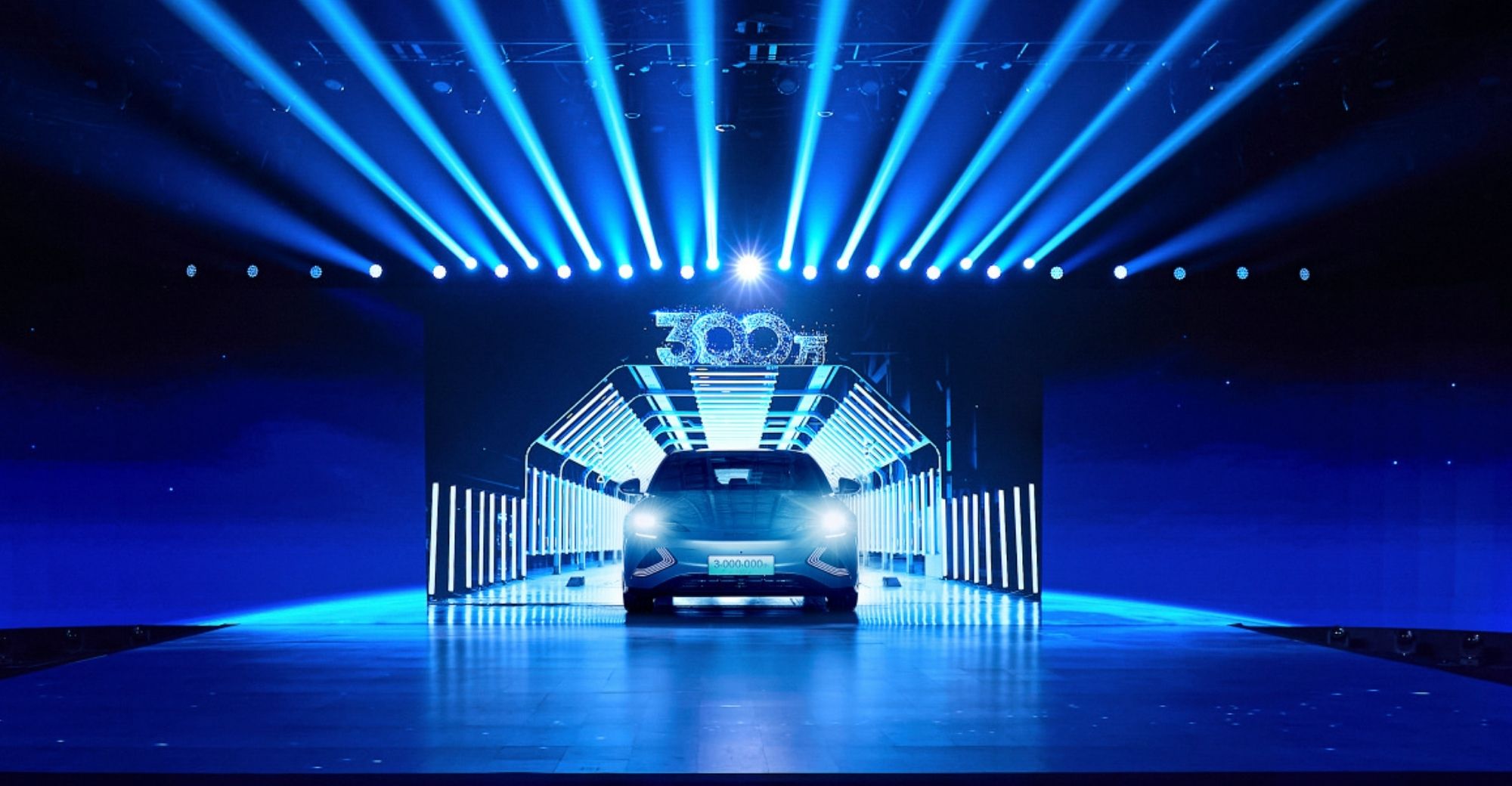
BYD, short for Build Your Dreams, has rapidly emerged as a significant player in the global automotive market, particularly in the electric vehicle (EV) sector. Founded in 1995 in Shenzhen, China, BYD initially started as a rechargeable battery manufacturer but has since evolved to become one of the largest EV manufacturers worldwide. With the rising concern for environmental sustainability and the shift towards renewable energy sources, BYD Cars have gained substantial attention and market share, making them a critical component of the automotive industry’s future.
Innovations and Features
One of the key aspects that set BYD Cars apart from competitors is their commitment to innovation and technology. The company has invested heavily in R&D, resulting in significant advancements in battery technology, electric drivetrains, and smart connectivity features. BYD’s revolutionary Blade Battery technology not only enhances the safety and longevity of its vehicles but also improves overall efficiency. Moreover, the integration of cutting-edge technology such as autonomous driving capabilities and smart cockpit functionalities has positioned BYD Cars as a frontrunner in the market.
Global Expansion and Market Performance
In recent years, BYD has taken substantial steps to expand its presence in international markets. The company has established manufacturing facilities in various countries, including the USA, Brazil, and Hungary, allowing it to cater to the growing demand for electric vehicles across the globe. According to reports, BYD sold over 1.5 million vehicles in 2022, marking a 210% increase compared to the previous year, solidifying its stance as the leading EV manufacturer in China and one of the largest worldwide.
Challenges Ahead
Despite its remarkable growth, BYD Cars face several challenges. The global semiconductor shortage continues to impact production capabilities, leading to delivery delays. Furthermore, the competitive landscape is becoming increasingly crowded, with traditional automakers entering the EV market and new startups emerging. As consumer preferences continue to evolve, BYD will need to maintain its innovative edge and adapt its strategies to stay ahead.
Conclusion
BYD Cars are not just revolutionising personal transportation but are also paving the way for a sustainable future in mobility. As the world transitions towards greener alternatives, the success of BYD in the electric vehicle sector is vital. Industry analysts forecast that the demand for electric vehicles will continue to grow, providing BYD with significant opportunities for further expansion and innovation. For consumers, BYD Cars represent a blend of sustainability, technology, and practicality, making them an attractive choice in a rapidly changing automotive landscape.