Introduction
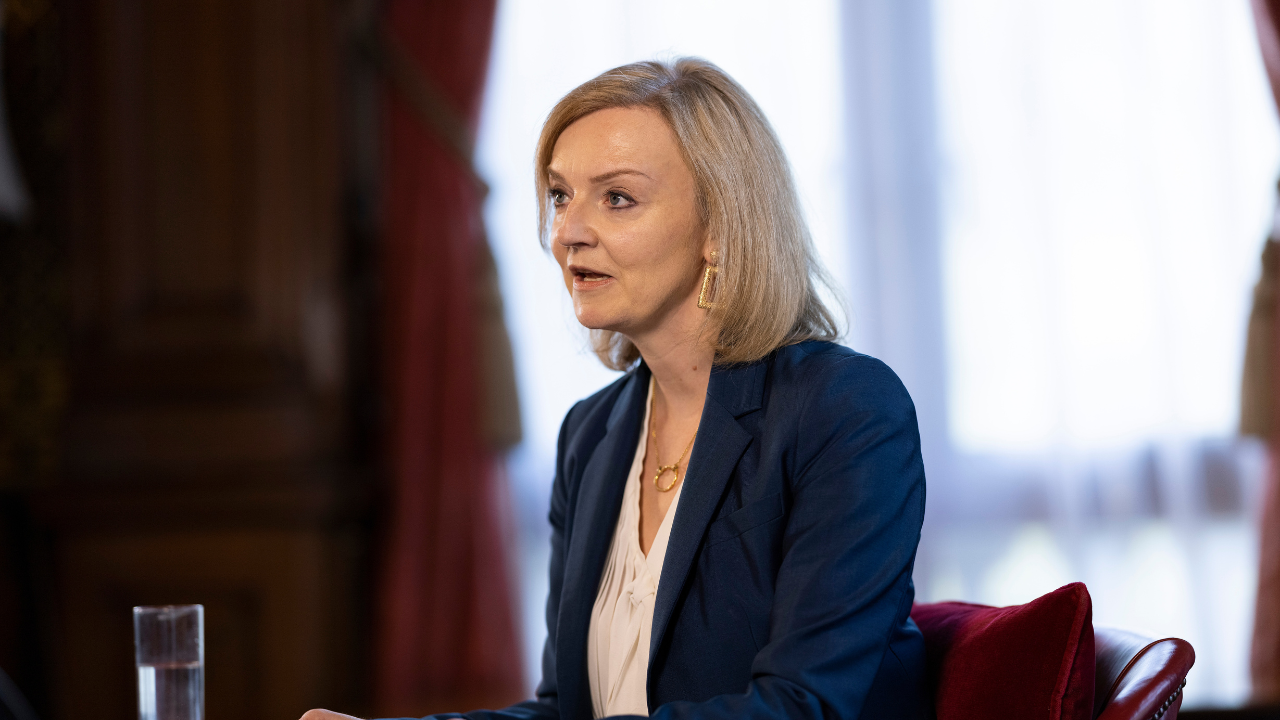
Liz Truss, the former Prime Minister of the United Kingdom, has been a significant figure in British politics, especially during her brief tenure in 2022. Her policies and decisions have sparked discussions about economic strategies and governance. Understanding her journey is crucial as it reflects broader trends in UK politics and the challenges faced by leaders in turbulent times.
Background and Rise
Born on July 26, 1975, in Oxford, England, Mary Elizabeth Truss attended Somerville College, Oxford, where she studied Philosophy, Politics and Economics. She entered politics as a member of the Conservative Party, being elected to the House of Commons in 2010 as the MP for South West Norfolk. Liz quickly climbed the ranks, holding various ministerial positions, including Secretary of State for International Trade and President of the Board of Trade.
Premiership and Economic Challenges
In September 2022, Liz Truss became the Prime Minister following the resignation of Boris Johnson, making her the third woman to hold the office. However, her term was defined by significant economic turmoil. Shortly after taking office, her government announced a controversial mini-budget aimed at stimulating growth through unfunded tax cuts. This plan led to a crisis in the financial markets, prompting the Bank of England to intervene to stabilise the pound.
Resignation and Aftermath
Due to mounting pressure from within her party and the public, Truss announced her resignation on October 20, 2022, after just 49 days in office, marking the shortest premiership in British history. Her tenure has since prompted significant reflection within the Conservative Party regarding economic policy and leadership strategy.
The Impact of Liz Truss
Liz Truss’s approach to governance and her rapid downfall raise pertinent questions about the current state of UK politics. Her proposed economic strategies have been dissected by analysts and politicians alike, with discussions surrounding fiscal responsibility and the balance of growth with stability becoming increasingly critical.
Conclusion
Liz Truss’s short time in office serves as a reminder of the challenges faced by today’s leaders in a rapidly changing world. The impacts of her policies continue to resonate within the Conservative Party and the UK’s economic landscape. As political observers continue to analyse her decisions and their implications, Liz Truss remains a significant figure in understanding both the past and potential future of UK governance.