Introduction
Published in 1971, Frederick Forsyth’s novel ‘The Day of the Jackal’ quickly gained recognition as a classic in the thriller genre. The story, which chronicles an intricate assassination plot against French President Charles de Gaulle, is not just a captivating narrative but also a significant reflection of political tensions during the Cold War era. Its relevance extends beyond fiction, offering insights into the meticulous planning involved in such operations, making it a focal point for both readers and scholars interested in political history and literature.
The Plot Unfolds
The novel follows an enigmatic assassin known only as ‘the Jackal’, hired by a group of disillusioned OAS (Organisation armée secrète) members determined to eliminate de Gaulle due to his decision to grant Algeria independence. The Jackal, a methodical and highly skilled killer, plans the assassination with extraordinary precision, employing fake identities and technical expertise to execute his mission.
The chase that ensues, primarily featuring the tenacious French police commissioner Claude Lebel, forms the backbone of the narrative. As the Jackal meticulously lays out his plan, tensions increase, highlighting both the human aspects of the characters and the political landscape of the time. The novel’s status as a thriller is reinforced through Forsyth’s detailed prose and the realism of the events that unfold, engaging readers on multiple levels.
Cultural Impact
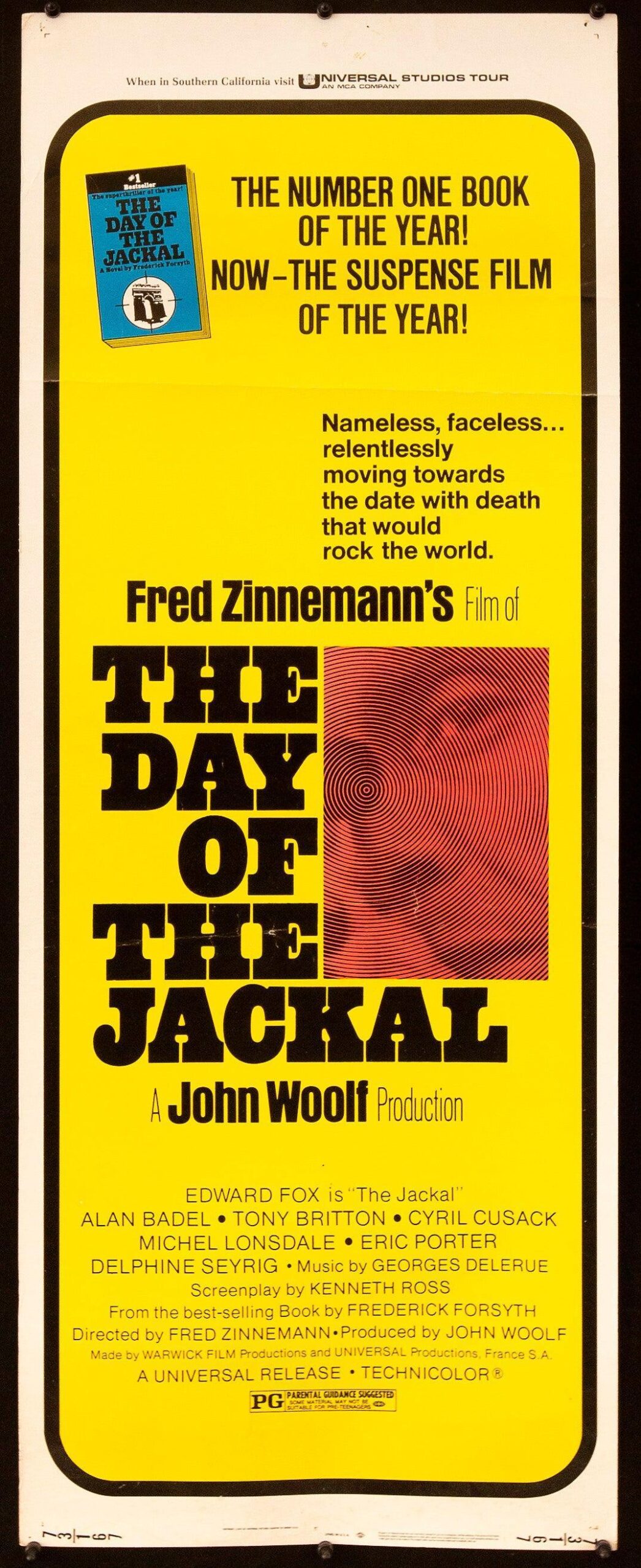
‘The Day of the Jackal’ transcends its narrative to influence various forms of art and media. Its adaptations into films, including the critically acclaimed 1973 version by Fred Zinnemann, have introduced the story to new generations, ensuring its place in popular culture. The meticulous detail and suspenseful pacing continue to inspire filmmakers and authors, reminding them of the engaging power of a well-told story.
Conclusion
The continuing relevance of ‘The Day of the Jackal’ lies in its intricate depiction of assassination attempts and the psychological profile of the assassin. Its detailed nature offers a significant commentary on human motivations and the political climate of the 1960s and 70s. As global tensions and political intrigue remain prevalent in today’s society, Forsyth’s classic novel serves as a reminder of the complexities behind high-stakes political plots. Readers are encouraged not only to enjoy the suspense-filled narrative but also to reflect on the historical context and human elements that make the story resonate even decades after its first publication.