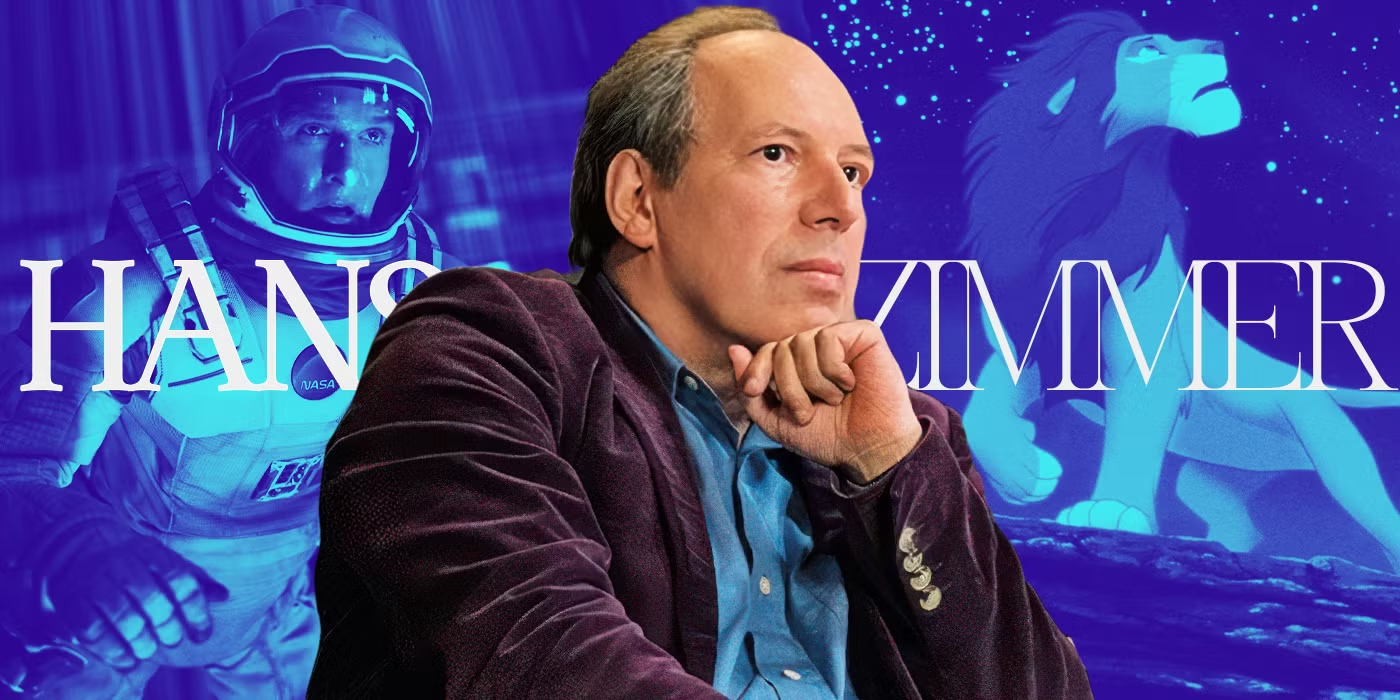
Introduction to Hans Zimmer
Hans Zimmer, a name synonymous with cinematic music, has become an iconic figure in the world of film scoring. Known for his innovative approach that blends orchestral elements with electronic sounds, Zimmer has transformed the landscape of film music. His contributions can be heard in some of the highest-grossing and critically acclaimed films of the last few decades, making his work essential to modern cinema.
Key Accomplishments and Impact
Originally from Frankfurt, Germany, Zimmer began his illustrious career working with composers like Stanley Myers before making a name for himself in Hollywood. His breakout came in the 1980s with scores for films like Rain Man (1988), which won him his first Academy Award nomination. However, it was his work on The Lion King (1994) that firmly established him as a leading composer, earning him an Oscar for Best Original Score.
Over the years, Zimmer has created unforgettable scores for a diverse range of films, including Gladiator (2000), Inception (2010), and the Dark Knight Trilogy. His unique ability to fuse genres and create immersive musical landscapes has left a profound impact on films such as Interstellar, where he used the organ to evoke deep emotional responses.
Commitment to Innovation
Zimmer is not just a composer but also a pioneer in the industry, often collaborating with other musicians and integrating new technology into his work. He founded Remote Control Productions, a studio that supports a multitude of composers and encourages creative collaboration. This commitment has allowed for new talent to emerge in the film scoring landscape, continually refreshing and evolving the genre.
Recent Projects and Future Outlook
In 2023, Zimmer scored Dune: Part Two, a follow-up to Denis Villeneuve’s critically acclaimed adaptation of Frank Herbert’s novel, further showcasing his adaptability and relevance in an ever-changing cinematic environment. As the film industry continues to evolve, Zimmer remains a vital player, pushing the boundaries of what film music can achieve.
Conclusion
Hans Zimmer’s journey from Europe to Hollywood demonstrates his unmatched talent and lasting influence on film music. His ability to engage audiences through sound continues to captivate listeners around the globe. As he embarks on new projects, film enthusiasts can anticipate the unmistakable auditory experiences that have become a hallmark of his career, solidifying his legacy as one of the greatest film composers of all time.