Introduction to Aspirin
Aspirin, chemically known as acetylsalicylic acid, is one of the most widely used medications globally. It is significant due to its multiple therapeutic uses, including pain relief, anti-inflammation, and its role in preventing cardiovascular diseases. Given its importance, recent studies and ongoing discussions about its efficacy and safety in various populations highlight the relevance of aspirin in healthcare today.
Medical Uses of Aspirin
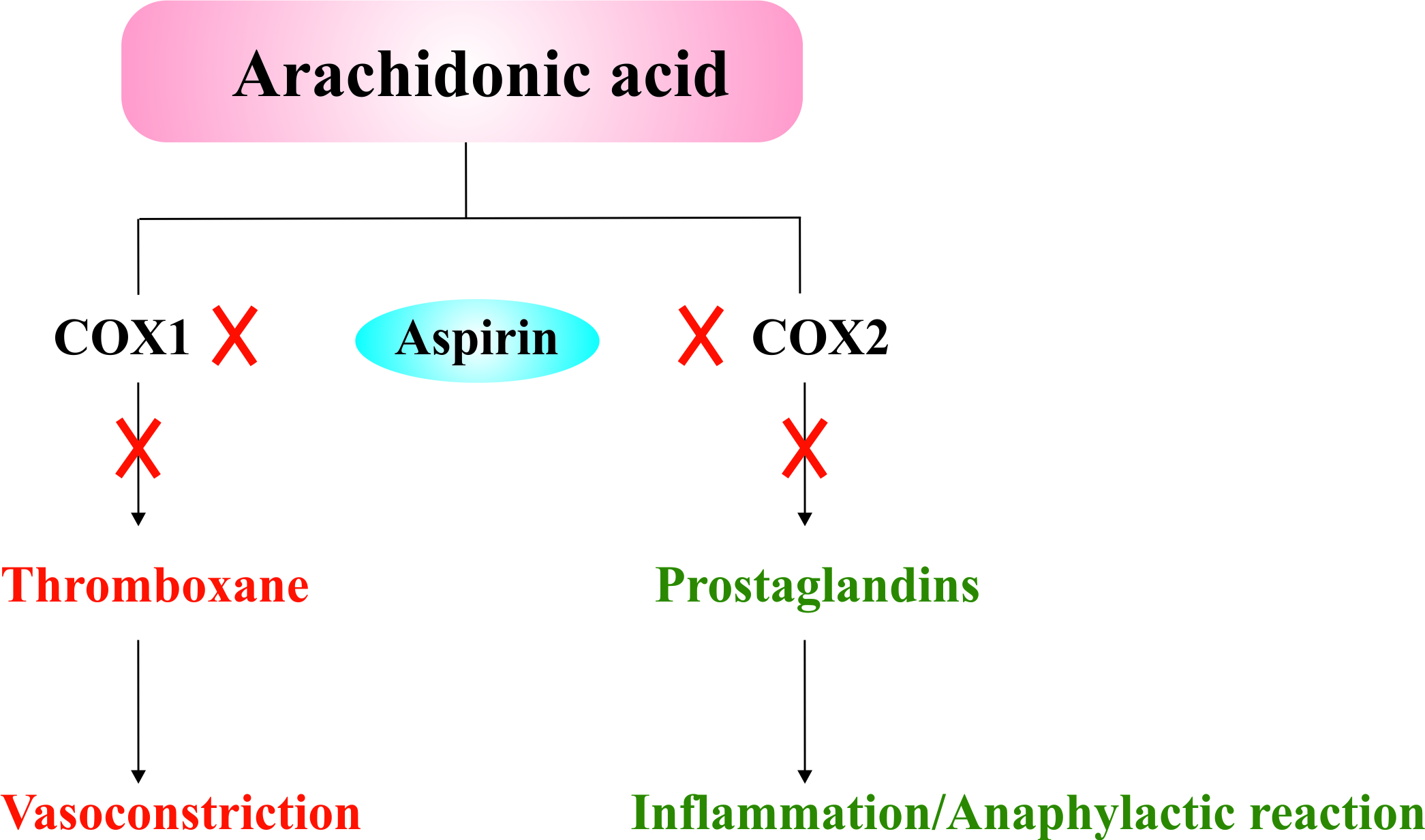
Aspirin’s primary uses include the treatment of headaches, muscle pain, arthritis, and other inflammatory conditions. Additionally, it is frequently prescribed in low doses to reduce the risk of heart attack and stroke in individuals with a high cardiovascular risk. An extensive body of research supports the use of aspirin in these contexts, emphasising its ability to inhibit blood clot formation by blocking the activity of platelets.
Recent studies have also explored the potential anti-cancer properties of aspirin, specifically its role in reducing the risk of certain types of cancers, such as colorectal cancer. The findings have led many professionals to consider the broader implications of aspirin use in preventive medicine.
Recent Developments and Research
Current research around aspirin continues to evolve. In November 2023, new findings published in the New England Journal of Medicine have raised questions about the long-term benefits of aspirin in cancer prevention, suggesting that while it may reduce risk, the potential side effects, such as bleeding complications, should be carefully weighed against the benefits. This ongoing dialogue illustrates the need for personalised medicine approaches—assessing aspirin’s suitability based on an individual’s health profile.
Furthermore, the effectiveness of using aspirin as a preventive measure in younger populations is currently under scrutiny. Researchers are calling for more rigorous clinical trials to establish appropriate guidelines for its use.
Conclusion and Significance
Aspirin remains a cornerstone in modern medicine, valued for its pain-relieving properties and critical role in cardiovascular health. Given the latest research, it is crucial for both patients and healthcare providers to stay informed about the risks and benefits associated with aspirin therapy. While it continues to be a valuable tool in preventing life-threatening conditions, ongoing studies highlight the importance of cautious and informed use. As our understanding of aspirin evolves, it will undoubtedly shape future recommendations and therapeutic protocols, reinforcing its importance in healthcare.