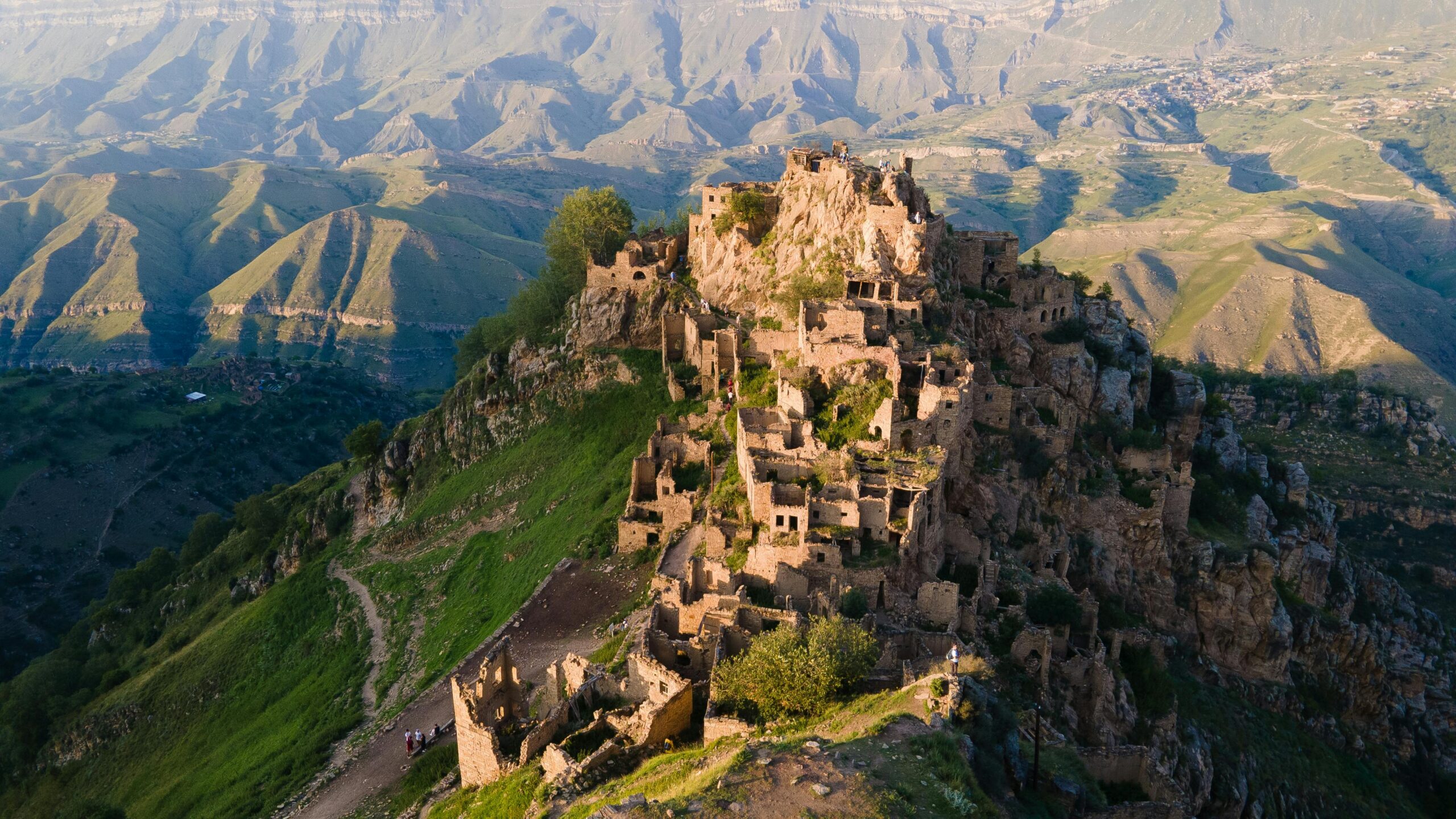
Introduction: The Importance of Dagestan
Dagestan, a republic within the Russian Federation located in the North Caucasus region, is known for its rich cultural diversity and complex socio-political environment. With over 30 ethnic groups, it highlights the intricate tapestry of cultures, languages, and traditions that define the region. The geopolitical significance of Dagestan, due to its strategic location bordering the Caspian Sea, further underlines the importance of understanding its current developments and challenges.
Current Events and Challenges
Recently, Dagestan has garnered attention due to a range of socio-economic issues and sporadic violence linked to organized crime and political unrest. The region faces high unemployment rates, which have led to discontentment among the youth, often fuelling radicalisation and migration. In November 2023, Dagestan witnessed protests triggered by frustrations over perceived government neglect and security concerns, drawing attention to the need for social reforms.
Furthermore, the Russian government’s increased military presence in Dagestan to combat terrorism has multiplied local tensions. High-profile incidents, including clashes between security forces and militants, have raised concerns regarding human rights abuses and the impact of heavy-handed tactics employed by authorities. The population’s desire for stability contrasts sharply with the measures taken, further stressing the region’s political landscape.
Cultural Diversity
Despite its challenges, Dagestan stands out for its cultural richness. Home to over 2 million residents, the region celebrates a mosaic of ethnic identities, each contributing to Dagestan’s vibrant folklore, music, and traditions. Festivals are a crucial part of life, with events such as the Nauruz festival symbolising the arrival of spring and the New Year, marked by various local customs and performances.
The linguistic diversity is equally notable, with Avar, Dargin, Kumyk, and Lezgian among the languages spoken. This variety not only reflects the cultural wealth of Dagestan but also highlights the importance of preserving these languages in the face of modernisation.
Conclusion: The Future of Dagestan
Looking forward, Dagestan’s outlook remains complex. While cultural vibrancy can provide a foundation for unity and resilience, the pressing socio-economic and political issues demand urgent attention. Effective governance, investments in education and job creation, and a focus on human rights could steer Dagestan toward a more stable future. For readers, understanding Dagestan’s rich culture and ongoing struggles is essential, as it offers insights into the broader dynamics shaping the North Caucasus region and its relationship with both Russia and the world.