Introduction
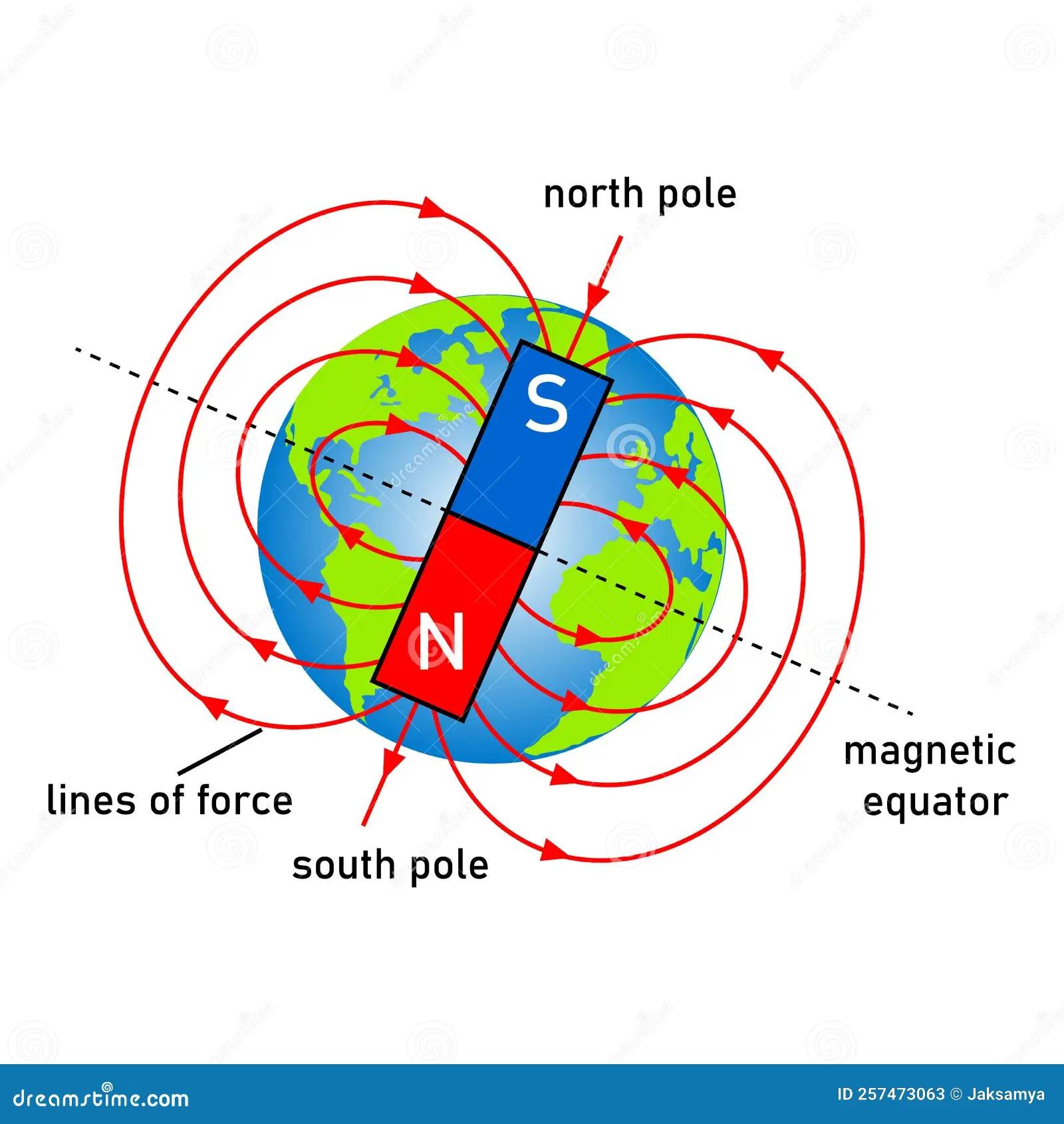
The magnetic north pole is a crucial element of Earth’s magnetic field, serving as a guide for navigation and influencing global positioning systems (GPS). Its location is not fixed, as it wanders due to changes in the Earth’s magnetic field. Understanding its movements is vital for navigators and scientists alike, and it holds significant implications for both everyday applications and scientific research.
What is the Magnetic North Pole?
Unlike the geographic north pole, which designates the point where the Earth’s axis meets its surface in the Northern Hemisphere, the magnetic north pole is where the Earth’s magnetic field points vertically downwards. This position fluctuates due to dynamic processes within the Earth’s outer core, where molten iron generates the magnetic field.
Recent Movements
Recent studies have shown that the magnetic north pole has been moving at an increasing rate. According to the National Centers for Environmental Information (NCEI), the pole has migrated from the Canadian Arctic towards Russia at a speed of approximately 55 kilometres per year since the late 20th century. This rapid shift has raised concerns for navigational systems reliant on magnetic readings, prompting updates to navigational charts and GPS systems.
Implications of Magnetic Pole Shifts
The shifting magnetic north pole poses challenges for aviation, maritime navigation, and various industries that rely on precise geographic positioning. For example, pilots and maritime navigators must regularly update their navigation systems to ensure accurate positioning. Additionally, scientists are investigating the implications of these shifts on wildlife, particularly migratory species that depend on the Earth’s magnetic field for navigation.
Conclusion
Understanding the magnetic north pole is more than an academic interest; it has practical implications for navigation and environmental science. As the magnetic pole continues to shift, scientists will likely uncover more about its behaviour and the potential impacts on our planet’s navigation systems. For anyone reliant on geographic orientation, keeping abreast of changes to the magnetic north pole is crucial for safety and accuracy in navigation. The ongoing study of the magnetic north pole underscores the intricate relationship between Earth’s geology and its magnetic phenomena, making it a topic of growing importance in a rapidly changing world.