Introduction
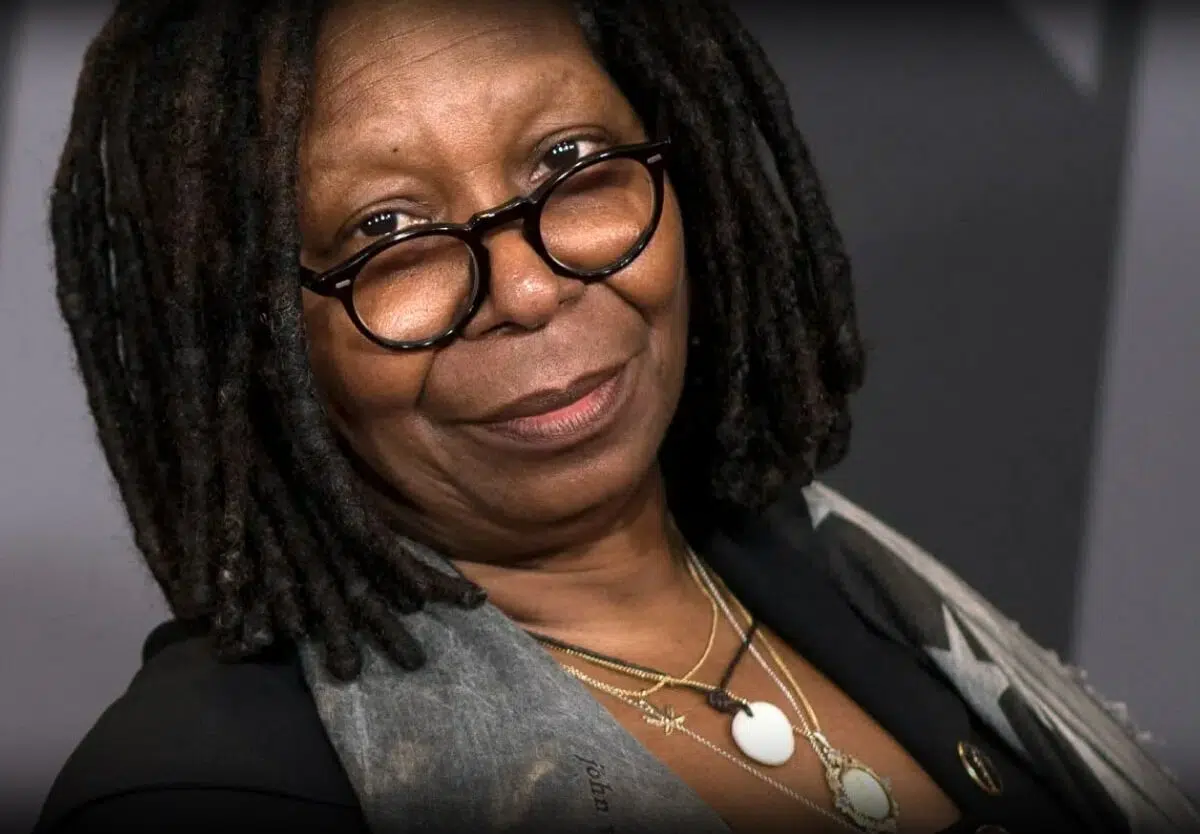
Whoopi Goldberg, a name synonymous with talent and versatility, has made an indelible mark on the entertainment industry. Known for her roles in blockbuster films, her work as a comedian, and her outspoken views on social issues, Goldberg represents a significant figure in modern culture. As we navigate through ongoing conversations about race, gender, and inclusion in the industry, her career serves as a testament to the impact of representation and the power of voice.
Career Highlights
Born Caryn Elaine Johnson in New York City on November 13, 1955, Whoopi Goldberg’s journey to stardom began in the 1980s with her breakout one-woman show on Broadway, ‘Whoopi Goldberg’, and her subsequent performance in Steven Spielberg’s ‘The Color Purple’ (1985). This role earned her an Academy Award nomination and firmly established her as a leading lady in Hollywood.
Her prolific career includes a diverse mix of genres, from comedic roles in films like ‘Ghost’ (1990), where she won an Academy Award for Best Supporting Actress, to her dramatic performances in movies such as ‘The Lion King’ (1994) where she lent her voice to Shenzi, one of the hyenas. Beyond acting, Goldberg is also a talented producer, author, and television host, co-hosting the talk show ‘The View’ since its inception in 1997, where she brings her unique perspectives to both political and cultural discussions.
Recent Events
Goldberg has remained a prominent figure in the media spotlight, often expressing her opinions on pressing social issues. In 2022, she faced backlash for controversial comments made on ‘The View’ regarding the Holocaust, leading to a temporary suspension from the show. This incident prompted intense discussions about free speech and accountability in media, reflecting the complexities of her public persona.
Recently, she has focused on advocacy, particularly for underserved communities and issues such as racial equality and women’s rights, using her platform to affect change. With numerous accolades, including a Tony Award, Grammy Awards, and an Emmy Award, Goldberg’s legacy continues to inspire rising artists and activists alike.
Conclusion
Whoopi Goldberg’s career illustrates not only her remarkable talent but also the evolving nature of representation in entertainment. Her contributions have paved the way for future generations of artists. As she continues to navigate the complexities of fame and social responsibility, Goldberg remains an influential voice, showing that the arts can be a powerful medium for dialogue and change. As audience engagement and the demand for diversity grow within the entertainment industry, Goldberg’s journey will likely inspire further conversations about the role of artists in societal transformation.