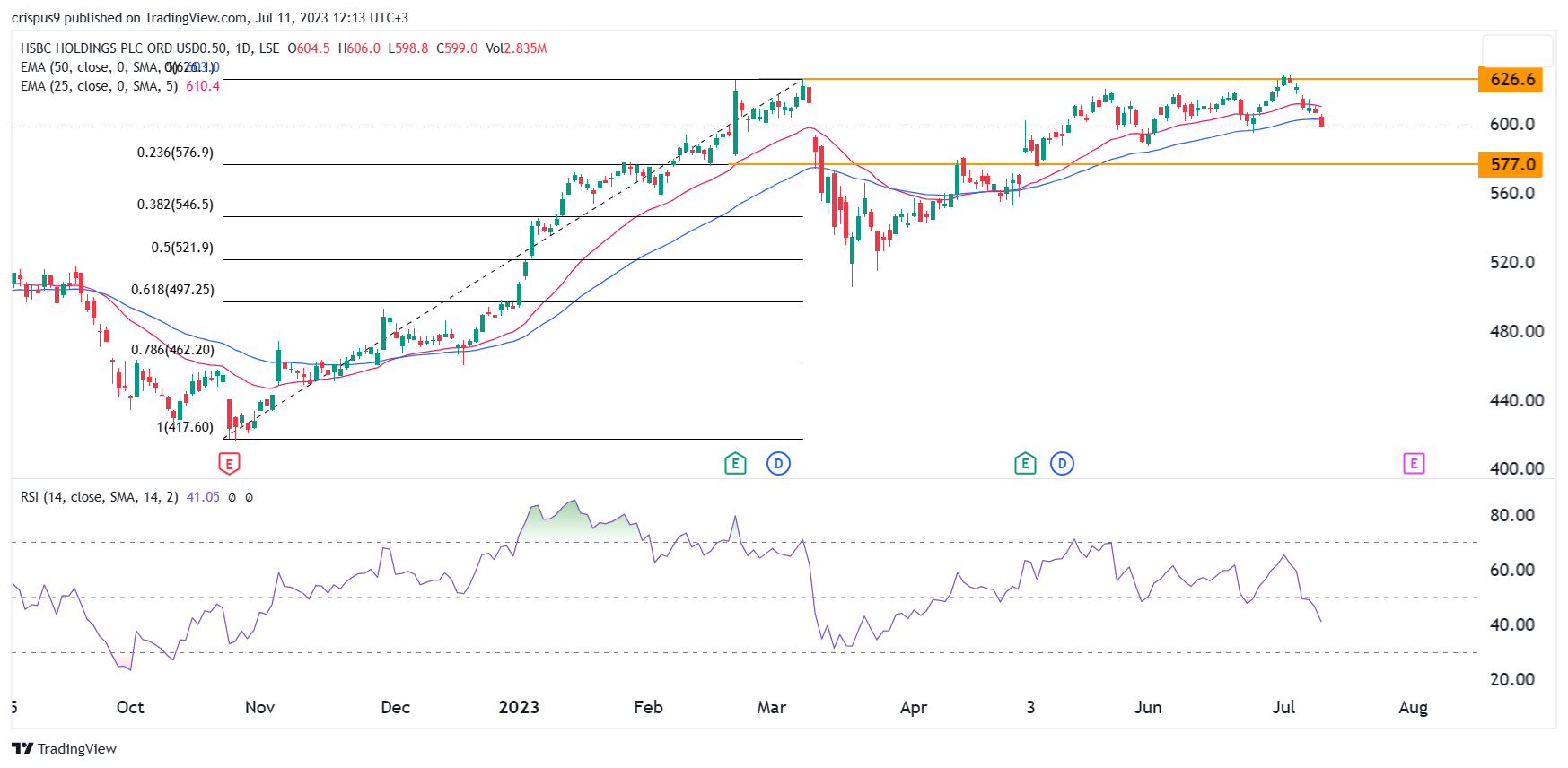
Importance of HSBC Share Price
The HSBC share price is a crucial indicator for investors and analysts alike, reflecting the bank’s financial health and market position. As one of the largest banking and financial services organisations in the world, HSBC Holdings plc has a significant influence on global financial markets. Recent market volatility and geopolitical events have made understanding its share price more important than ever for investment decisions.
Recent Trends and Events Affecting HSBC Share Price
In recent months, HSBC’s share price has shown fluctuations due to various factors. As of October 2023, the stock has seen a rise of 12% over the past quarter, attributed primarily to strong quarterly earnings reported in September. This earnings report indicated higher revenues driven by robust growth in Asia, especially in markets like China. Analysts have pointed out that the bank’s strategic focus on Asian markets is paying off, which has positively impacted investor sentiment.
However, external factors such as inflation rates and interest rate changes continue to create an unpredictable market environment. The Bank of England’s recent decision to maintain interest rates has also been a topic of discussion among investors, as it may impact borrowing costs for customers and affect profit margins. Additionally, the ongoing geopolitical tensions, particularly in Asia, have kept many wary about the potential risks associated with investing in multinational corporations like HSBC.
Future Outlook for HSBC Share Price
Looking ahead, analysts remain cautiously optimistic about the HSBC share price trajectory. A report from an investment bank forecasts that the stock could continue to rise, potentially reaching £8.50 per share by the end of the year, depending on the economic recovery in key markets. However, uncertainties surrounding regulatory changes and global economic stability present ongoing risks.
Investors are advised to keep an eye on HSBC’s business strategies, particularly its digital banking initiatives and sustainability efforts which are gaining traction in today’s eco-conscious market. These innovations could prove to be pivotal for HSBC in attracting new clients and retaining existing ones.
Conclusion
The HSBC share price is not just a number; it signifies a broader narrative about the bank’s performance and the economic landscape. Understanding the dynamics that influence this price will equip investors to make informed decisions. As always, staying updated on market trends and HSBC’s strategic moves will be essential for those looking to navigate the complexities of investing in one of the world’s leading financial institutions.