Introduction
Konrad Adenauer, a pivotal figure in post-war Germany, played an instrumental role in shaping the nation’s political landscape after World War II. Serving as the first Chancellor of the Federal Republic of Germany from 1949 to 1963, Adenauer’s policies and vision were crucial in transforming West Germany into a stable and prosperous democracy. His significance is not only rooted in national politics but also in laying the groundwork for European integration and cooperation.
Main Contributions
Adenauer’s leadership was defined by his commitment to rebuilding Germany’s economy and establishing strong ties with Western nations. He was a proponent of the ‘social market economy’, which combined free market capitalism with social policies that aimed to ensure a fair distribution of wealth. This approach led to the ‘Wirtschaftswunder’ or ‘economic miracle’ of the 1950s, as Germany experienced rapid economic growth and recovery.
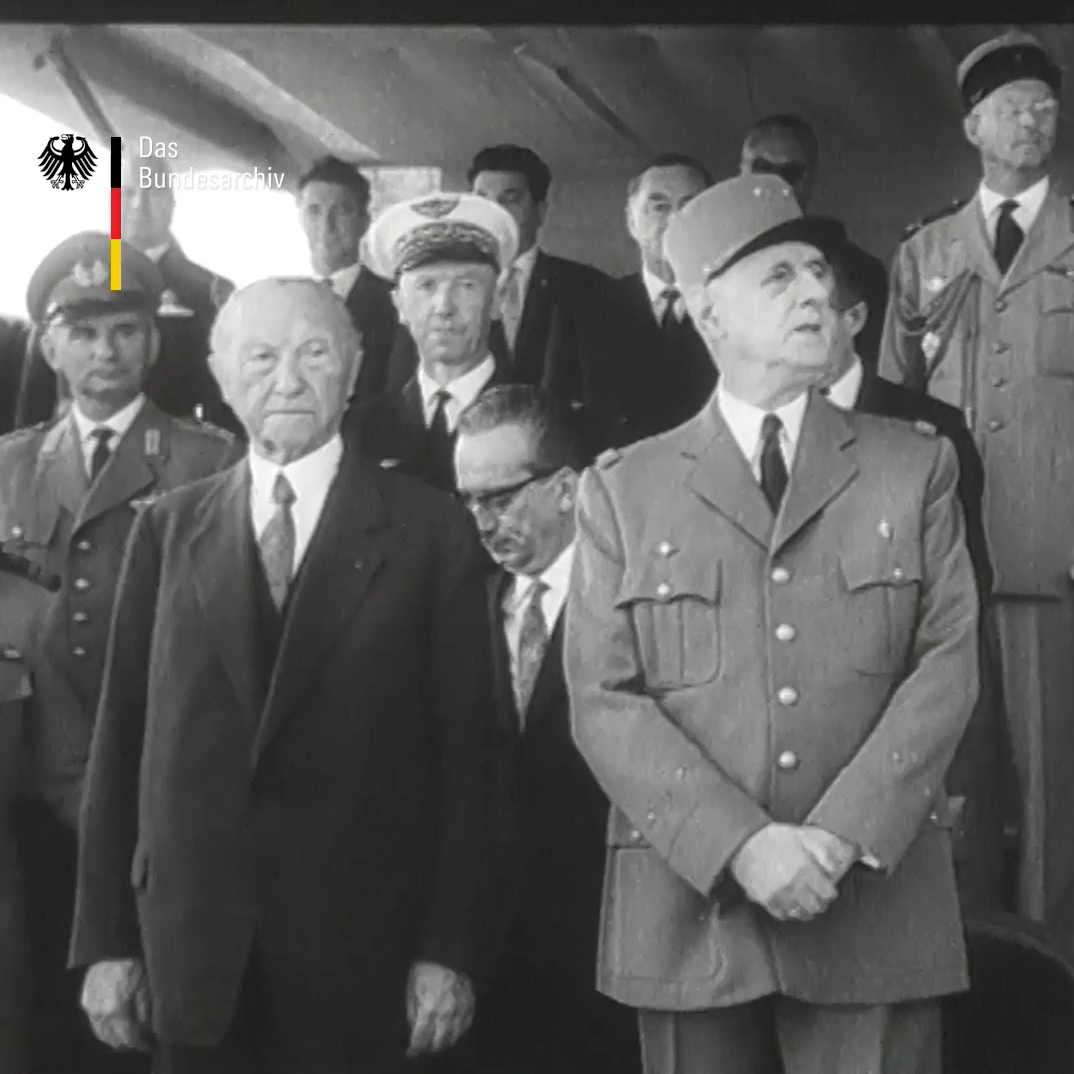
In foreign policy, Adenauer aligned West Germany closely with the West, particularly through NATO and the European Economic Community (EEC). His efforts in the European integration process were significant, as he understood the importance of forging strong economic and political ties in the aftermath of the war. His partnership with figures like French President Charles de Gaulle was crucial in promoting Franco-German reconciliation, which is often cited as one of the cornerstones of modern European unity.
Adenauer also faced considerable challenges during his tenure, including handling relations with East Germany and dealing with lingering anti-Semitism in post-war society. His approach was marked by a focus on reconciliation and stability, which was vital for a nation struggling to come to terms with its past.
Conclusion
Konrad Adenauer’s legacy is evident in today’s German and European political landscape. His dedication to democracy, economic reform, and international cooperation has served as a model for subsequent leaders. As Germany continues to navigate complex political waters, reflecting on Adenauer’s leadership provides valuable insights into the importance of stability, unity, and foresight in governance. His impact resonates not only in Germany but also throughout Europe, reminding us of the pivotal role individual leaders can play in shaping history.