Introduction
The interest that former President Donald Trump expressed in purchasing Greenland remains a significant topic in international affairs. While the proposal was met with widespread ridicule and was ultimately rejected by Denmark in 2019, discussions surrounding the strategic importance of Greenland have resurfaced amid current geopolitical tensions.
Background on Trump’s Greenland Proposal
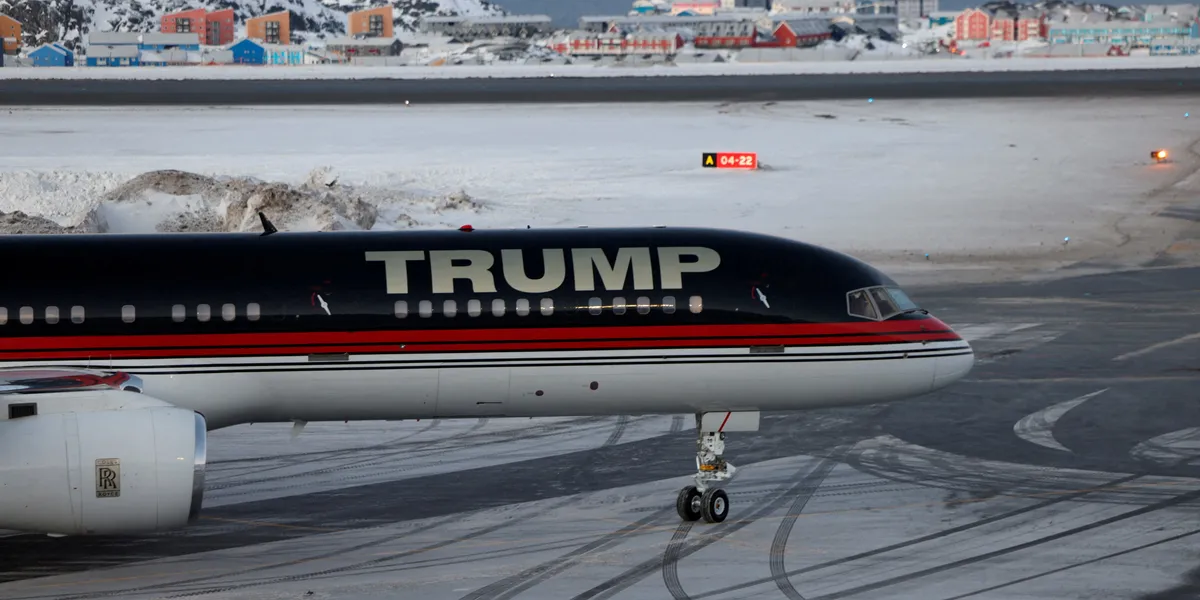
In August 2019, Donald Trump shocked the world by announcing his desire to buy Greenland, an autonomous territory of Denmark, for its abundant natural resources and strategic location. This unexpected proposal sparked both intrigue and ire in diplomatic channels. The Danish Prime Minister, Mette Frederiksen, dismissed the idea as ‘absurd’, yet the notion opened discussions about the island’s geopolitical significance.
Current Events and Renewed Interest
As of late 2023, the topic of Greenland’s resources, particularly rare earth minerals crucial for technology and defense industries, has again gained traction. In light of rising tensions between the United States and China, analysts suggest that Greenland’s mineral wealth and deep-water ports can play a pivotal role in U.S. and allied strategies in the Arctic region. Both the U.S. and China have been paying closer attention to the Arctic as its routes open due to climate change.
Furthermore, recent reports suggest that Biden administration officials are exploring ways to enhance cooperation with Greenland regarding resource management and infrastructure development. This renewed focus may be indirectly linked to Trump’s initial proposal, illustrating how a controversial idea can lead to serious geopolitical discussions.
The Strategic Importance of Greenland
Greenland is believed to hold significant reserves of minerals such as lithium and cobalt, which are essential for electric vehicle batteries and other technologies. Analysts point out that controlling access to these resources could provide a competitive edge in global markets. Additionally, U.S. military installations in Greenland, including Thule Air Base, amplify the territory’s strategic value in national security efforts.
Conclusion
The interest in Greenland, initially sparked by Donald Trump’s controversial suggestion, highlights the evolving dynamics of international relations in the Arctic. With climate change altering traditional nautical boundaries and resource availability, Greenland remains at the forefront of geopolitical strategies. The ongoing discussions around cooperative frameworks may pave the way for important partnerships that can benefit both the U.S. and Greenland while addressing global market demands and security concerns. As we navigate this complex landscape, it will be imperative for policymakers and stakeholders to approach developments in the Arctic with sensitivity and foresight.