Introduction
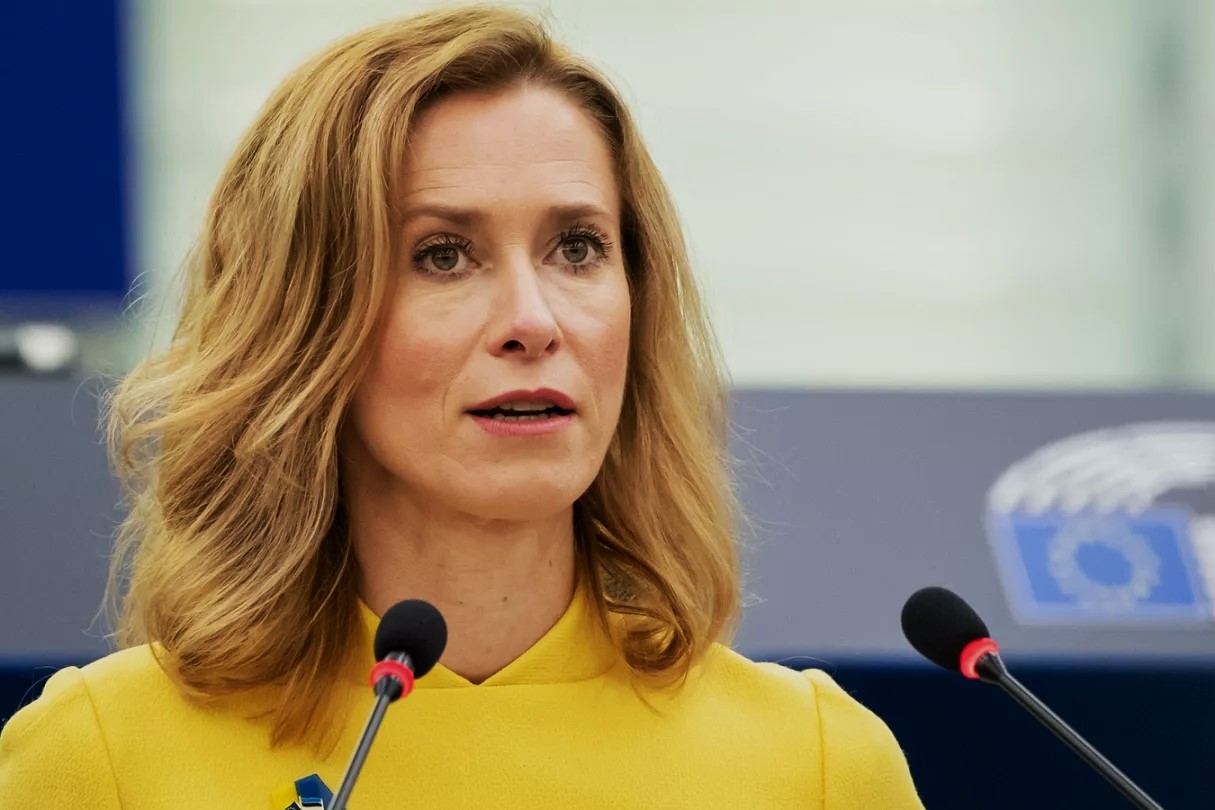
Kaja Kallas has emerged as a significant political figure in Estonia, becoming the first female Prime Minister of the country in January 2021. Her leadership is pivotal not only in shaping domestic policies but also in navigating Estonia’s role within the European Union and its response to global challenges. In recent months, her administration has been at the forefront of tackling various issues such as energy security, digital transformation, and the impact of the Russia-Ukraine conflict, making her relevance in European politics particularly pronounced.
Political Landscape and Challenges
Under Kallas’s leadership, Estonia has faced a rapidly changing political landscape, heavily influenced by external pressures. The Russian invasion of Ukraine has prompted Kallas to bolster national defence whilst simultaneously advocating for increased EU solidarity. In July 2023, Kallas announced a significant increase in defence spending, with plans to allocate over 2.5% of the GDP to military capabilities, a decision welcomed by both domestic and international allies.
Additionally, Kallas’s administration has faced challenges related to energy supply, exacerbated by the war in Ukraine. Estonia has sought to diversify its energy sources and reduce dependence on Russian gas, leading to partnerships with neighbouring countries and investments in renewable energy projects. This initiative aligns with the EU’s broader goal of energy independence and sustainability.
Domestic Policies and Reforms
Kaja Kallas’s government has also prioritised digital transformation, a sector where Estonia has historically excelled. Her focus on improving e-governance and digital services aims to enhance public administration efficiency and attract foreign investment. As part of her strategy, Kallas has launched initiatives to support tech startups and foster innovation, understanding the critical role that technology plays in the future of the Estonian economy.
Moreover, her administration has initiated social reforms, aimed at ensuring equitable access to education and healthcare. The response to the COVID-19 pandemic has served as a backdrop for these reforms, with Kallas emphasising the need for a resilient and inclusive society.
Conclusion
Kaja Kallas’s tenure as Prime Minister is significant not only for Estonia but also for Europe as a whole. Her leadership during turbulent times has showcased her commitment to democratic values, security, and sustainable growth. As she continues to navigate challenges ahead, including potential changes in the geopolitical landscape and domestic pressures, Kallas remains a pivotal figure to watch. Her policies and actions may well define Estonia’s position within Europe and could set a precedent for future leaders in the region. The coming months will be crucial for Kallas as she seeks to consolidate her government’s achievements while addressing ongoing challenges.