Introduction
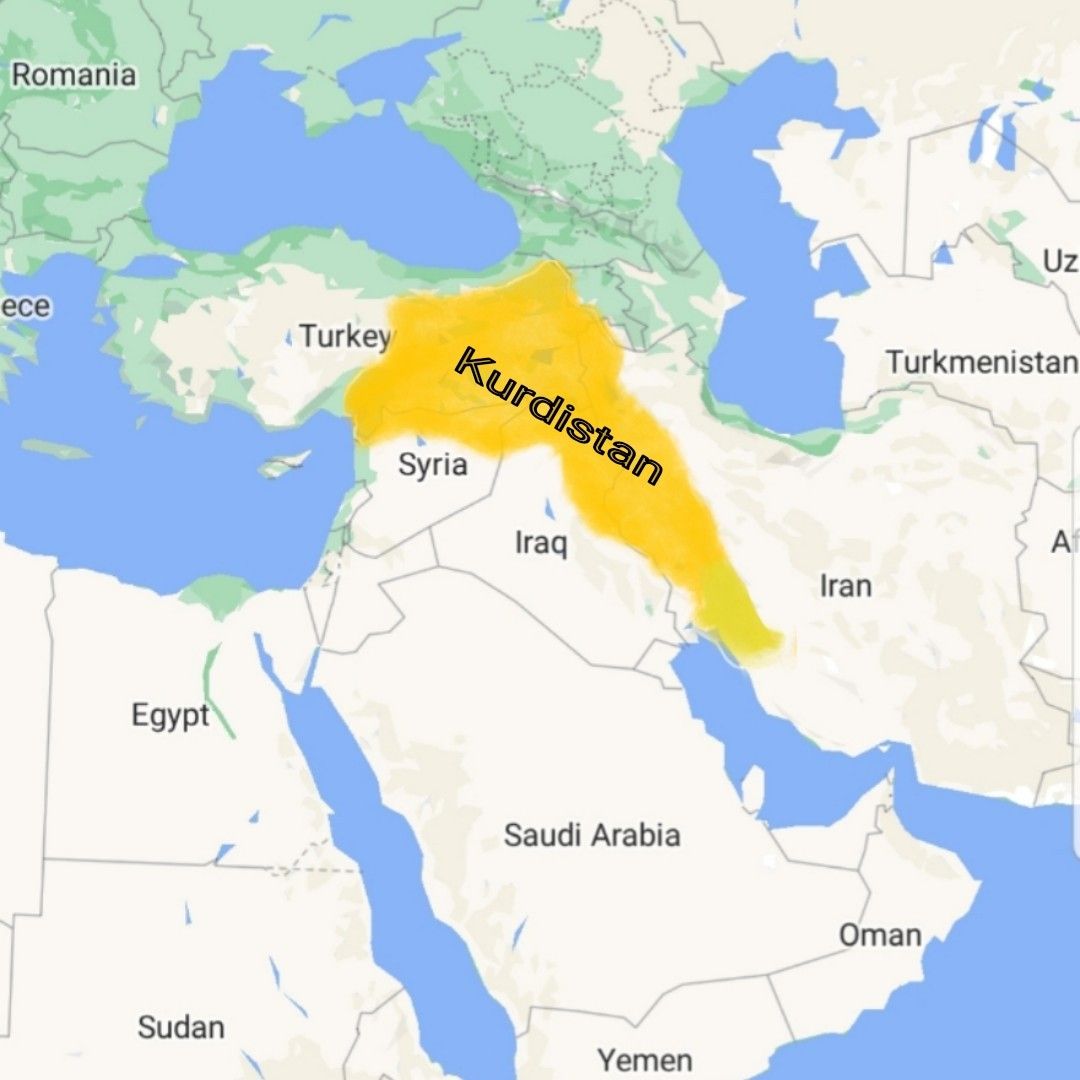
Kurdistan, a region spanning across Turkey, Iraq, Iran, and Syria, holds a crucial position in the geopolitics of the Middle East. Home to the Kurdish people, the region is rich in cultural heritage and history. Recently, the topic of Kurdistan has gained prominence in global discussions, especially in light of ongoing conflicts, independence movements, and its economic development. Understanding Kurdistan is essential, particularly for those interested in Middle Eastern politics and ethnic studies.
Current Events and Developments
As of late 2023, developments in the Kurdish region, particularly in Iraq, have been significant. The Kurdistan Regional Government (KRG) has been striving for greater autonomy and recognition from Baghdad, amidst ongoing tensions regarding oil revenues and governance. In early September this year, the KRG announced plans to enhance its economic independence by increasing trade with neighbouring nations, including Iran and Turkey. This move is seen as a strategy to solidify its position and reduce reliance on the Iraqi central government.
Additionally, the fight against ISIS has been a crucial aspect of Kurdistan’s recent history. Kurdish forces, notably the Peshmerga, played a pivotal role in combating ISIS in the region. As the situation stabilizes, there are concerns about the return of displaced persons and the humanitarian challenges that lie ahead. With over 1.5 million displaced Kurds still unable to return home, the political landscape remains fragile, affecting societal unity and stability.
Cultural Significance
Kurdistan is not just a political entity; it is also a cultural treasure. Kurdish culture, language, and traditions have shown remarkable resilience despite historical oppression. The Kurds celebrate various festivals, such as Newroz, the Kurdish New Year, symbolising resistance and hope. Various initiatives aimed at promoting Kurdish literature, music, and art have emerged, bringing attention to their rich cultural legacy and identity.
Conclusion
As Kurdistan navigates through political hurdles and geopolitical complexities, the importance of the region cannot be understated. The aspirations of the Kurdish people for autonomy and recognition will undoubtedly shape future developments in the Middle East. Understanding Kurdistan’s challenges and triumphs is essential for anyone looking to grasp the intricate web of regional politics. Looking ahead, the prospects for peace and stability in Kurdistan remain uncertain, yet the resilience of its people and the richness of its culture ensure that it will remain an important focal point in global discussions.