Introduction
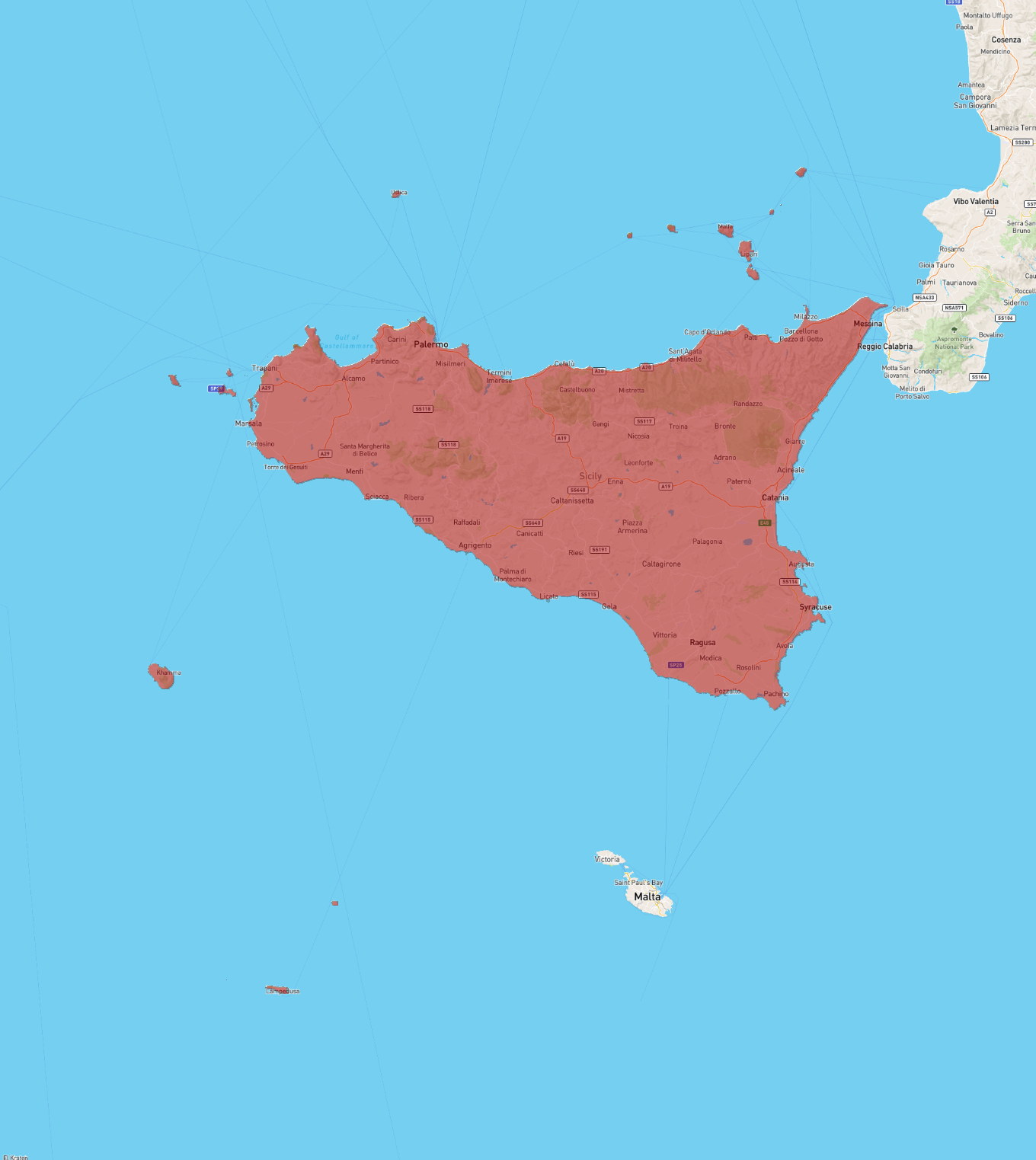
Sicily, the largest island in the Mediterranean Sea, is renowned for its diverse landscapes, rich cultural heritage, and delicious cuisine. As Italy’s southernmost region, it holds a unique blend of history and natural beauty that attracts millions of visitors each year. Understanding the significance of Sicily is crucial, as it not only represents a vital part of Italy’s identity but also offers insight into the broader Mediterranean culture.
Historical Significance
Sicily has been a crossroads for various civilizations, including the Greeks, Romans, Byzantines, and Arabs. The Valley of the Temples in Agrigento showcases some of the most well-preserved ancient Greek ruins, reflecting its illustrious past. In addition, the Arab-Norman architecture seen in Palermo has earned UNESCO World Heritage status and demonstrates the island’s multicultural influence.
Cultural Highlights
The Sicilian culture is vibrant and multifaceted. Festivals play a crucial role in island life, with events such as the Feast of Saint Agatha in Catania attracting numerous spectators. Sicilian cuisine is another highlight, with dishes like arancini and cannoli becoming famous worldwide. The island is also renowned for its wine production, particularly the Etna wines that benefit from the volcanic soil.
Natural Wonders
Sicily’s landscapes are breathtaking, ranging from the imposing Mount Etna, Europe’s highest and most active volcano, to stunning coastal cliffs and beautiful beaches. The Aeolian Islands, just north of the mainland, offer crystal-clear waters and unique volcanic formations, making them a popular destination for sailing and diving enthusiasts.
Current Developments
Tourism in Sicily has seen a significant rise post-pandemic, with local authorities aiming to promote sustainable tourism. The regional government is investing in infrastructure improvements to enhance visitor experience while preserving the island’s natural beauty and cultural sites. Additionally, local businesses are becoming more eco-conscious, aligning their practices with green tourism initiatives.
Conclusion
Sicily stands out as a unique destination that beautifully combines history, culture, and stunning landscapes. The island’s proactive approach to tourism sustainability will ensure its appeal continues to grow in the coming years. Whether it’s exploring ancient ruins, indulging in exquisite cuisine, or enjoying the natural wonders, Sicily remains a must-visit for anyone seeking an unforgettable Mediterranean experience.