Introduction
Officers play a crucial role in maintaining order and ensuring the smooth operation of various sectors in society, including law enforcement, healthcare, and corporate governance. Their responsibilities have evolved significantly over the years, especially in light of current events and changes within communities. Understanding the various roles officers hold is essential to appreciating their impact on everyday life.
Law Enforcement Officers
Law enforcement officers are perhaps the most well-known type of officer. They are responsible for upholding the law, preventing crime, and ensuring public safety. Recent events, including ongoing discussions surrounding police reform and community policing, have highlighted the need for transparency and accountability within police forces. For instance, in the UK, the police are gradually adopting new protocols focusing on community engagement, which aims to foster trust and collaboration between officers and local communities.
Healthcare Officers
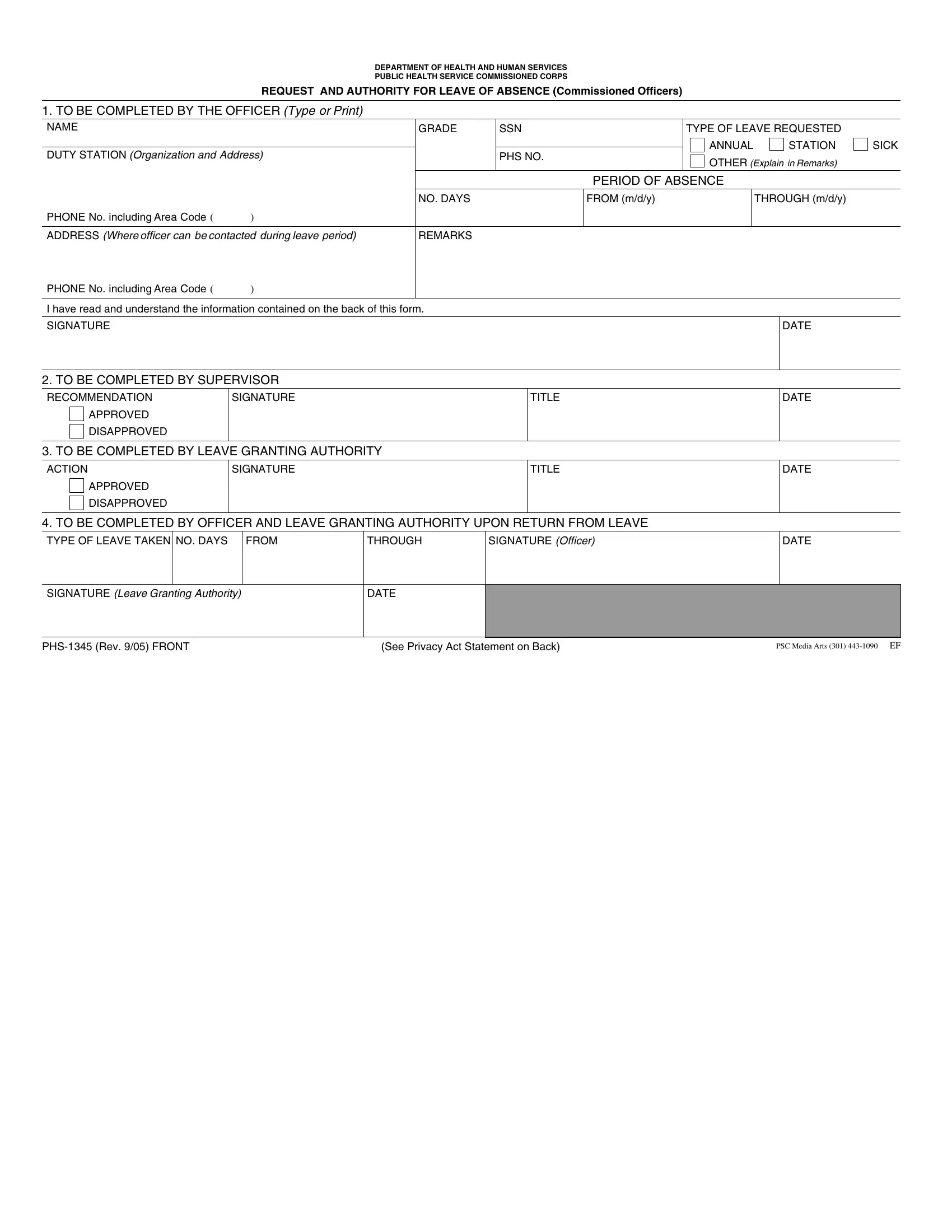
Aside from law enforcement, officers also play critical roles in healthcare settings. Healthcare officers, such as those serving in public health departments, are responsible for ensuring that health regulations are adhered to and that communities are informed about health risks and available services. Following the COVID-19 pandemic, the demand for healthcare officers has grown, as governments seek to bolster public health systems and improve response strategies for future health crises.
Corporate Officers
In the business world, corporate officers – such as Chief Executive Officers (CEOs) and Chief Financial Officers (CFOs) – are vital for steering their organisations towards success. They are tasked with setting strategic goals, managing resources, and ensuring compliance with laws and regulations. Recent trends show a growing emphasis on corporate social responsibility, with officers being held accountable for the social and environmental impact of their companies.
Conclusion
The role of officers, whether in law enforcement, healthcare, or corporate leadership, is pivotal in shaping societal norms and values. As society continues to evolve, the expectations and responsibilities of officers will likely change too. With an increasing focus on accountability, transparency, and community engagement, the effectiveness of officers in their various roles will be crucial in the pursuit of a balanced and fair society. Understanding these dynamics gives the public insight into the multifaceted nature of roles held by officers and their significance in addressing contemporary challenges.