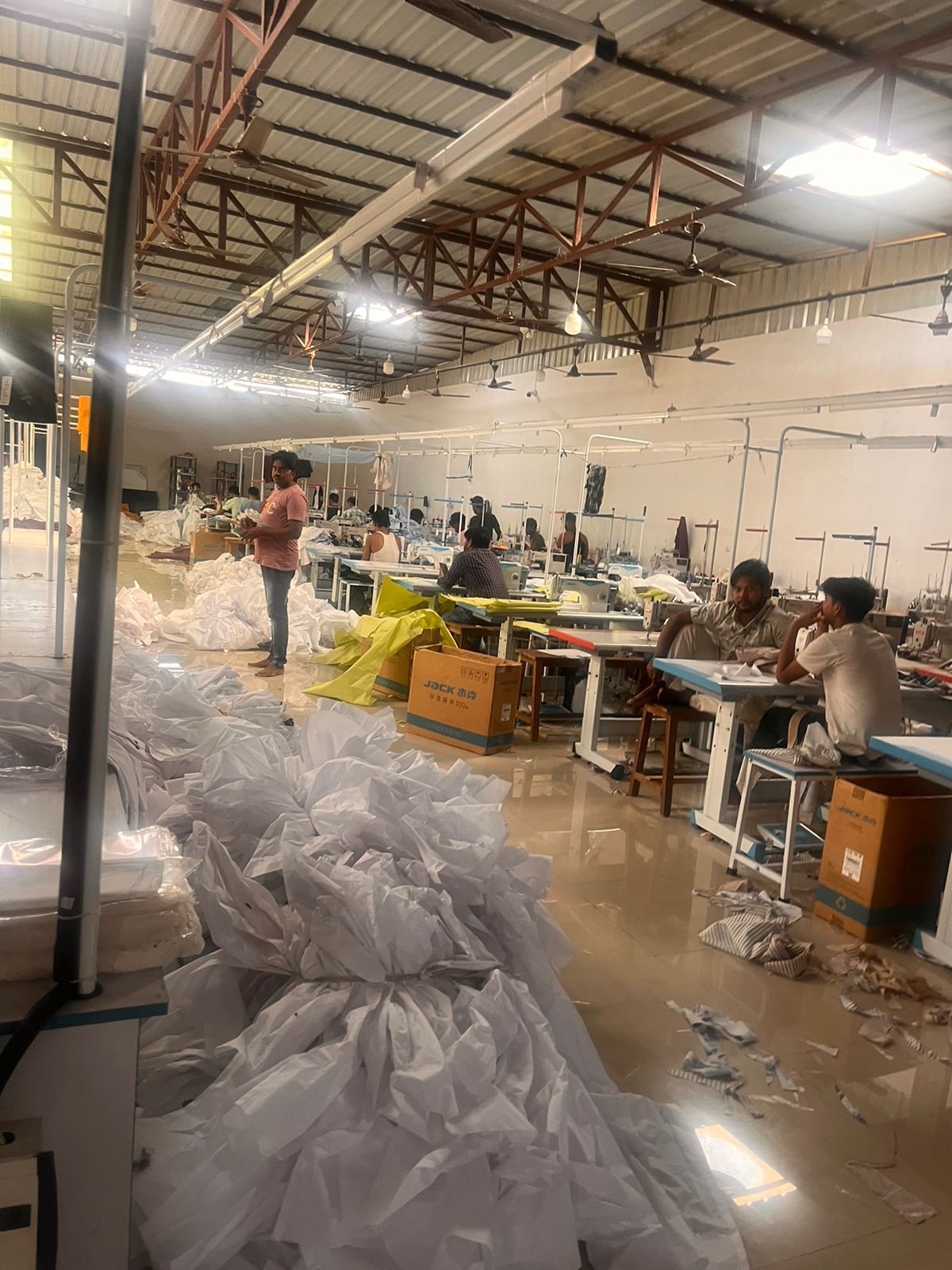
Introduction
As industries continue to evolve with advancements in technology, the importance of understanding what happens inside the factory has never been more critical. Factories not only serve as the backbone of production but also play a significant role in shaping economic growth and employment opportunities. This article delves into the inner workings of factories, highlighting their significance within the global economy.
The Role of Factories in the Economy
Factories are essential to the manufacturing of goods, from automobiles to electronics and food products. According to the Office for National Statistics, manufacturing accounted for approximately 9% of the UK’s GDP in 2022, reflecting its vital role in the economy. Understanding what goes on inside these factories can provide insights into production processes, job creation, and innovation.
Technological Advancements in Factories
The factory environment is changing rapidly due to technological advancements such as automation, robotics, and artificial intelligence (AI). Recent reports from the Manufacturing Technology Centre (MTC) indicate that over 50% of manufacturers in the UK are now investing in automation technologies to enhance productivity and efficiency. These technologies are reshaping job roles, requiring a more skilled workforce while simultaneously increasing output and reducing costs.
Sustainability Inside the Factory
Another key aspect of modern factories is their approach to sustainability. With growing concerns over climate change, many manufacturers are implementing eco-friendly practices within their operations. A report by the Carbon Trust reveals that a significant number of factories are reducing waste and emissions by incorporating sustainable materials and processes into their production lines. This commitment to environmental responsibility not only benefits the planet but also appeals to environmentally-conscious consumers.
The Human Element
While technology plays a vital role in factories, the human element remains equally important. Skilled labourers and engineers are essential in operating machinery, maintaining quality control, and innovating processes. As firms adapt to new technologies, there is an increasing demand for training and development programs to ensure that employees are equipped with the necessary skills to thrive in this changing landscape.
Conclusion
Understanding what happens inside the factory is crucial for grasping the broader implications of manufacturing in today’s world. As factories continue to innovate and adapt to technological advancements and sustainability challenges, they will play a pivotal role in shaping economic trends and workforce development. For readers, keeping abreast of these changes offers insights into job market trends and the future of industry.