Introduction
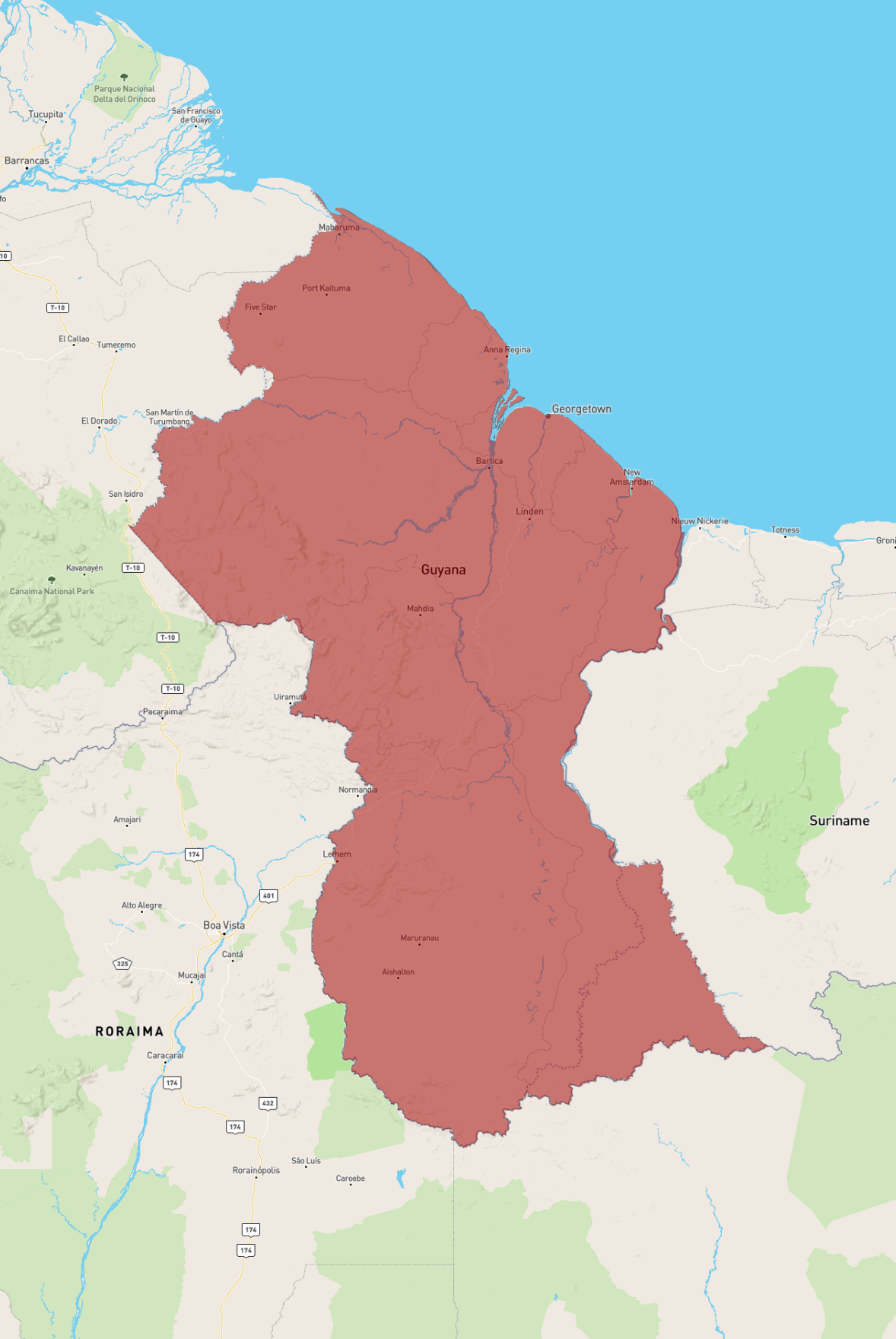
Guyana, located on the northern coast of South America, is a nation known for its stunning natural landscapes and rich cultural diversity. The importance of Guyana extends beyond its borders, as it plays a significant role in biodiversity conservation and cultural exchange in the region. With a fusion of indigenous, African, Indian, and European influences, this small yet vibrant country offers a unique cultural tapestry worthy of exploration.
Geography and Biodiversity
Spanning approximately 214,969 square kilometres, Guyana is characterised by its lush rainforests, vast savannahs, and the mighty Essequibo River, one of the longest rivers in South America. The country is home to a plethora of wildlife, making it a hotspot for ecotourism. Recent reports indicate that Guyana hosts over 1,500 species of birds and numerous rare mammals, including the jaguar and the giant river otter.
Cultural Heritage
Culturally, Guyana is a melting pot. The nation celebrates its diversity through various festivals such as Mashramani, which marks the country’s Republic Day, showcasing parades, music, and traditional dance. Additionally, the influence of the Indo-Guyanese community is evident in its cuisine, particularly in the popular dish of curry and roti. The African roots are reflected in the country’s folklore and music, with genres such as calypso and chutney gaining prominence.
Current Developments
Recently, Guyana has garnered international attention due to significant oil discoveries in the Stabroek Block. These discoveries could position Guyana as a major player in the global oil market over the coming years. According to the U.S. Energy Information Administration, Guyana is projected to produce up to 1.2 million barrels of oil per day by 2027, leading to a potential economic boom. However, this raises concerns about environmental sustainability and the management of natural resources, as activists urge the government to prioritise conservation efforts.
Conclusion
Guyana stands at a crossroads of opportunity and challenge. While its natural beauty and cultural richness offer a unique identity, the emerging oil industry presents both economic potential and environmental risks. As the country navigates this transformative period, the path it chooses will have significant implications for its heritage and ecosystems. For readers, understanding Guyana’s complexities is essential in appreciating its role on the global stage and advocating for responsible stewardship of its resources.