Introduction
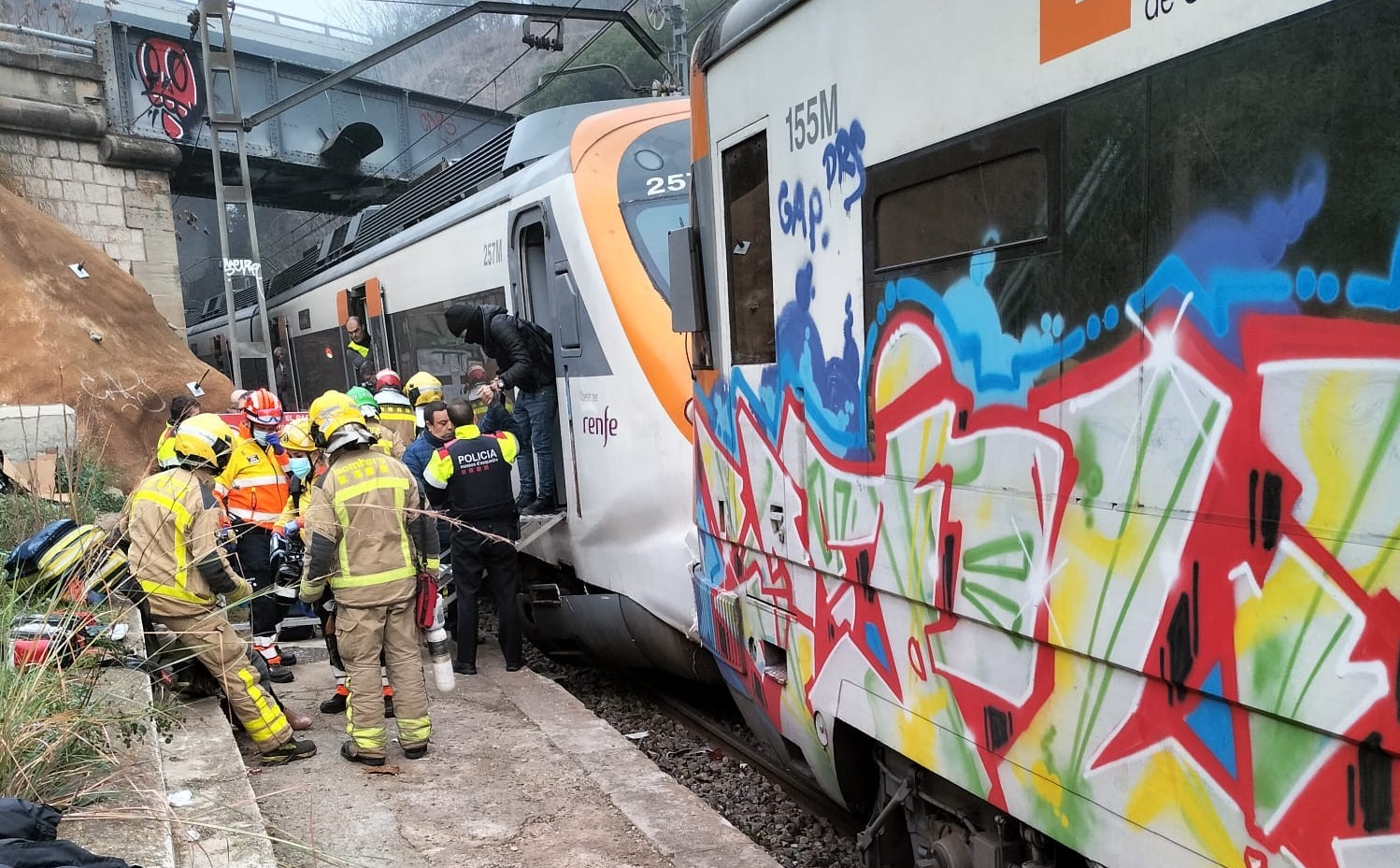
Train travel is a vital component of Spain’s transport infrastructure, providing efficient mobility across the country. However, a series of train crashes in recent months has raised concerns over the safety protocols in place. Understanding the causes and implications of these incidents is essential to improving rail safety for passengers.
Overview of Recent Train Crashes
In the past year, Spain has witnessed several notable train accidents, drawing attention to the need for enhanced safety measures. In March 2023, a regional train collided with a lorry at a level crossing near Madrid, resulting in multiple injuries but thankfully no fatalities. This incident highlighted the dangers associated with level crossings, prompting calls for improved signaling systems and public awareness campaigns.
Another significant crash occurred in June 2023 when a high-speed train derailed in Catalonia. Preliminary investigations indicated that track maintenance issues may have contributed to the derailment, leading to intense scrutiny of the management of rail infrastructure. Fortunately, there were no casualties, but the incident reignited discussions about budget allocations for railway maintenance and upgrades.
Factors Contributing to Train Crashes
The increasing frequency of train accidents in Spain can be attributed to various factors, including aging infrastructure, human error, and the volume of rail traffic. According to the Spanish railway operator, Renfe, the number of trains operating daily has surged in recent years, further straining the existing infrastructure.
Weather conditions also play a critical role, as Spain experiences periodic extreme weather events that can affect rail operations. For instance, heavy rains and floods can lead to landslides on tracks, necessitating rapid and effective response measures to ensure safety.
Impacts and Responses
The implications of these accidents extend beyond immediate injuries; they affect public confidence in rail travel. The Spanish government has acknowledged the necessity for urgent reforms, with plans to invest an additional €500 million over the next three years in railway safety enhancements. This will include upgrading aging tracks, implementing advanced signaling technologies, and enhancing staff training programs.
Conclusion
The recent train crashes in Spain underscore the pressing need for improved safety protocols and infrastructure investment. As the government takes steps toward modernisation, enhancing public dialogue on train safety is equally crucial. In the long term, proactive measures such as regular inspections, technological upgrades, and heightened awareness campaigns could help restore public trust in rail travel, ensuring that Spain’s railway network remains a safe and reliable mode of transportation.