Introduction
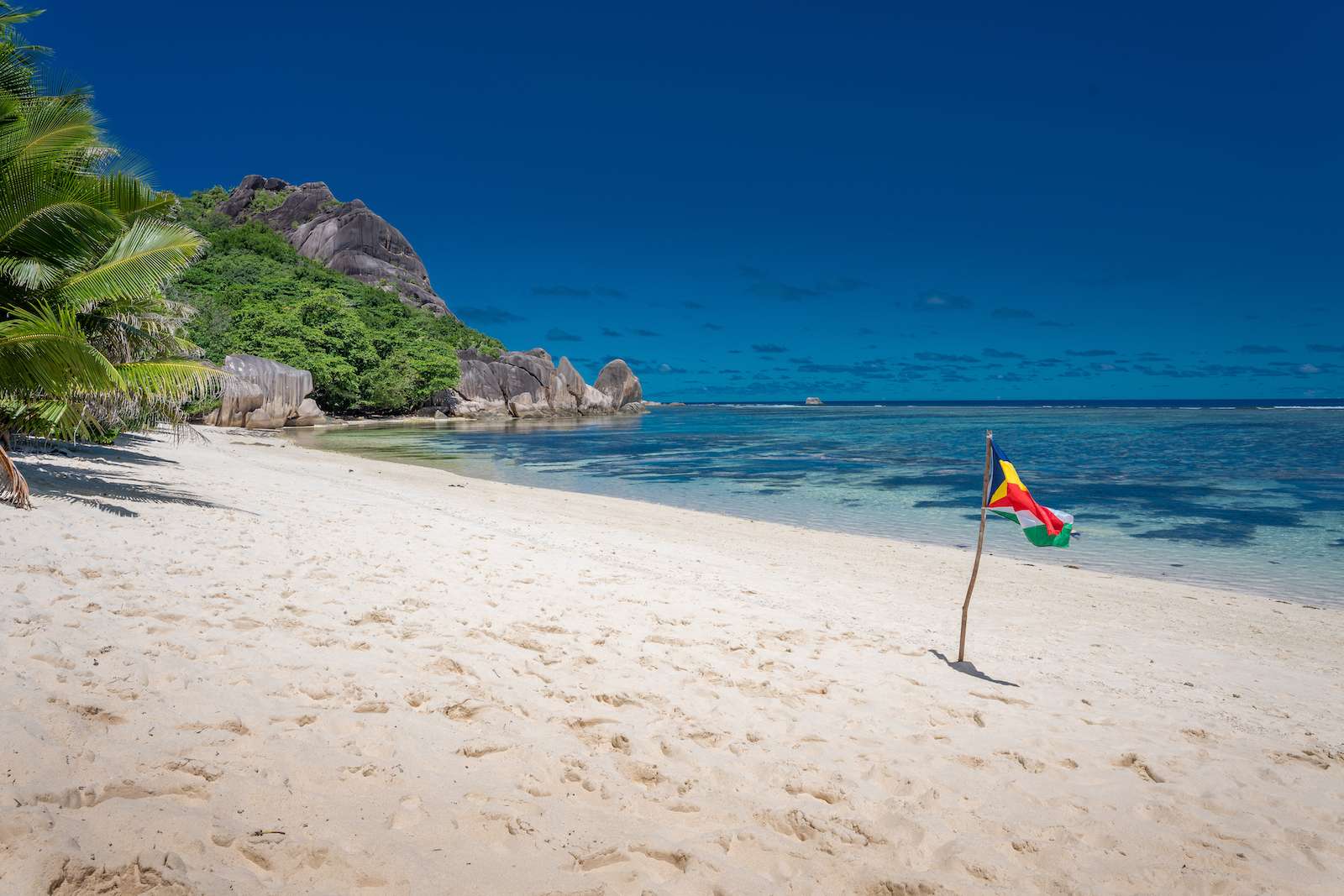
Seychelles, a stunning archipelago located in the Indian Ocean, comprises 115 islands and is renowned for its crystal-clear waters, powdery beaches, and diverse ecosystems. This paradise is not just a holiday destination but also an ecological hotspot, making it imperative to understand its significance in terms of tourism, conservation, and cultural heritage.
The Allure of Seychelles
With its beautiful granite and coral islands, Seychelles attracts visitors from around the globe. According to recent reports from the Seychelles Tourism Board, the archipelago experienced a surge in tourism following global travel restrictions easing, with an estimated 184,000 tourists visiting from January to August 2023 alone. Notable islands such as Mahé, Praslin, and La Digue are at the forefront, offering stunning scenery, national parks, and luxurious resorts that cater to all types of travellers.
The vibrant marine life and unique biodiversity also play a crucial role in the country’s appeal. Seychelles is home to several endemic species, including the Aldabra giant tortoise and the Seychelles black parrot, which attract nature enthusiasts and conservationists alike. The government has been proactive in its conservation efforts, establishing marine parks and reserves to protect these natural treasures.
Cultural Significance
Seychelles boasts a rich cultural tapestry influenced by African, European, and Asian traditions. The Seychellois people take immense pride in their heritage, which is reflected in their cuisine, music, and festivals. The annual Seychelles Carnival of Nature, celebrated each April, showcases the vibrant culture and biodiversity of the islands, drawing visitors and performers from around the world.
Challenges and Opportunities
Despite its beauty, Seychelles faces various challenges, including climate change and the need for sustainable tourism practices. Rising sea levels threaten the low-lying islands, prompting the government to advocate for environmental awareness and responsible tourism. Initiatives such as the Seychelles Blue Economy Strategy aim to balance economic growth with ecological preservation, ensuring that the islands can be enjoyed for generations to come.
Conclusion
For travellers seeking a blend of adventure, relaxation, and cultural enrichment, Seychelles provides an unparalleled experience. As it continues to navigate the challenges posed by climate change and tourism, collaboration between the government, local communities, and international stakeholders will be crucial. The future of Seychelles hinges on sustainable practices that protect its breathtaking landscapes and vibrant culture while welcoming the world to its shores.