Introduction
Brianna Ghey, a 16-year-old transgender girl from England, tragically lost her life in February 2023. Her death sparked national outrage and brought to light the urgent issues surrounding the safety and well-being of transgender and non-binary youth in the United Kingdom. This incident has ignited conversations about hate crimes, acceptance, and the need for better protection for vulnerable communities. The circumstances surrounding Ghey’s passing have played a pivotal role in raising awareness and advocating for change regarding LGBTQ+ rights and safety.
The Incident
On February 11, 2023, Brianna Ghey was found dead in a park in Warrington, Cheshire. Initial reports indicated that she had been fatally stabbed, and two teenagers were subsequently arrested on suspicion of murder. This shocking incident sent ripples through social media, with many using the hashtag #JusticeForBrianna to express their grief and anger. Ghey was a beloved figure in her local community and online, known for her vibrant personality and advocacy for transgender rights.
Public Reaction
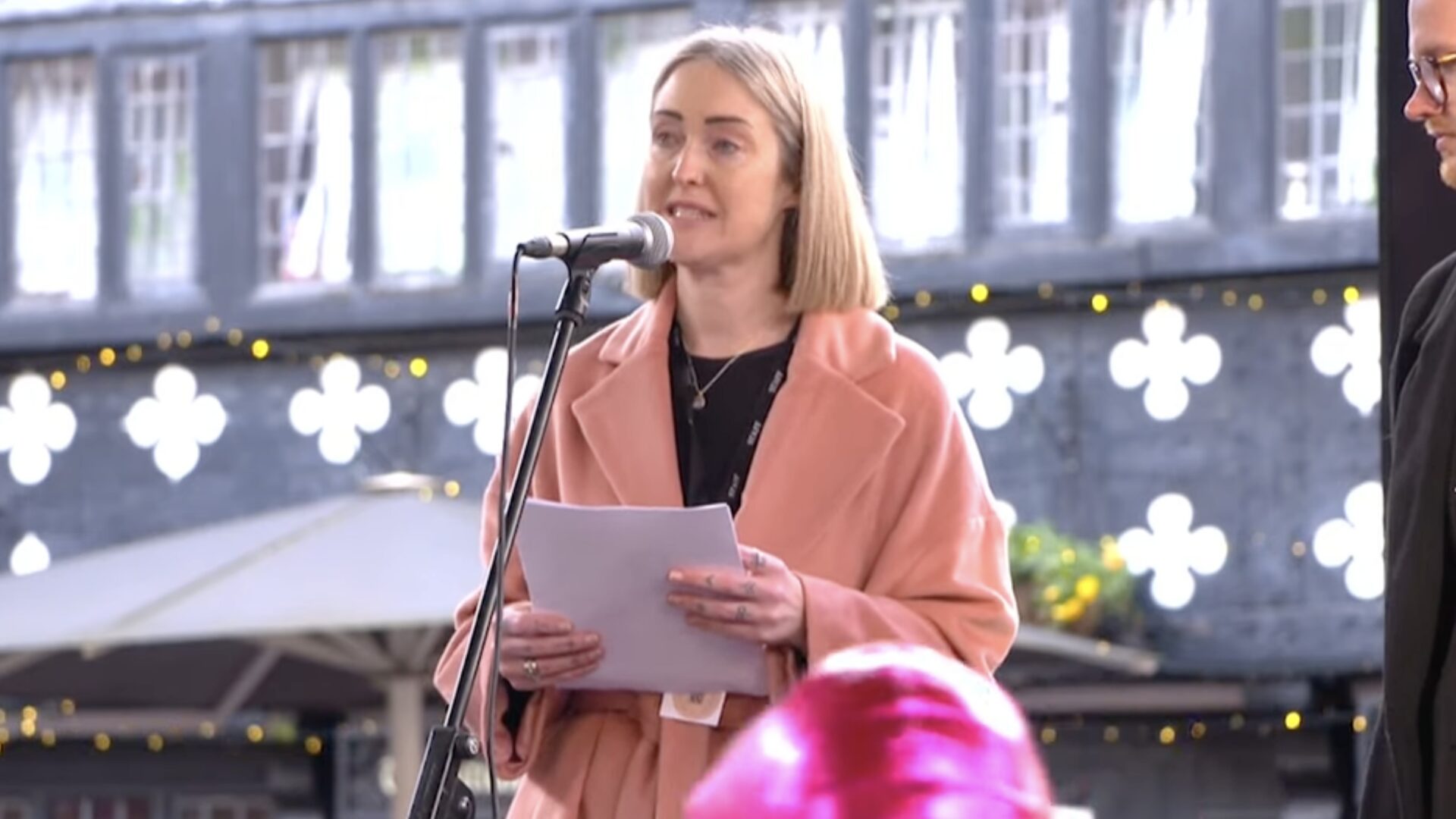
The public outpouring of grief highlighted the broader concerns surrounding the safety of LGBTQ+ individuals. Vigils were held across the country, with thousands gathering to pay their respects and demonstrate solidarity with the transgender community. Advocacy groups have called for increased measures to prevent hate crimes and better support systems for LGBTQ+ youth. The response from the community underscored the growing demand for recognition and inclusivity, as well as the urgent need for action from government bodies.
A Call for Change
Brianna Ghey’s death has catalysed discussions about the need for reforms in educational environments to ensure safer spaces for all students, regardless of their gender identity. Schools are being urged to implement anti-bullying policies more effectively and promote acceptance and inclusivity within their curricula. Furthermore, it has highlighted the necessity for enhanced mental health services tailored for LGBTQ+ youth, who are disproportionately affected by mental health issues and suicidality compared to their cisgender peers.
Conclusion
The tragic and untimely loss of Brianna Ghey serves as a wake-up call to society about the urgent need for change in how we protect and support our youth. It has sparked a renewed focus on the safety of transgender and non-binary individuals, echoing the broader fight against discrimination and prejudice. Moving forward, it is crucial for individuals, communities, and governments to unite in fostering safe, inclusive environments where every young person can flourish without fear or violence. Brianna’s memory will continue to drive the conversation as we strive toward a more accepting future.