Introduction
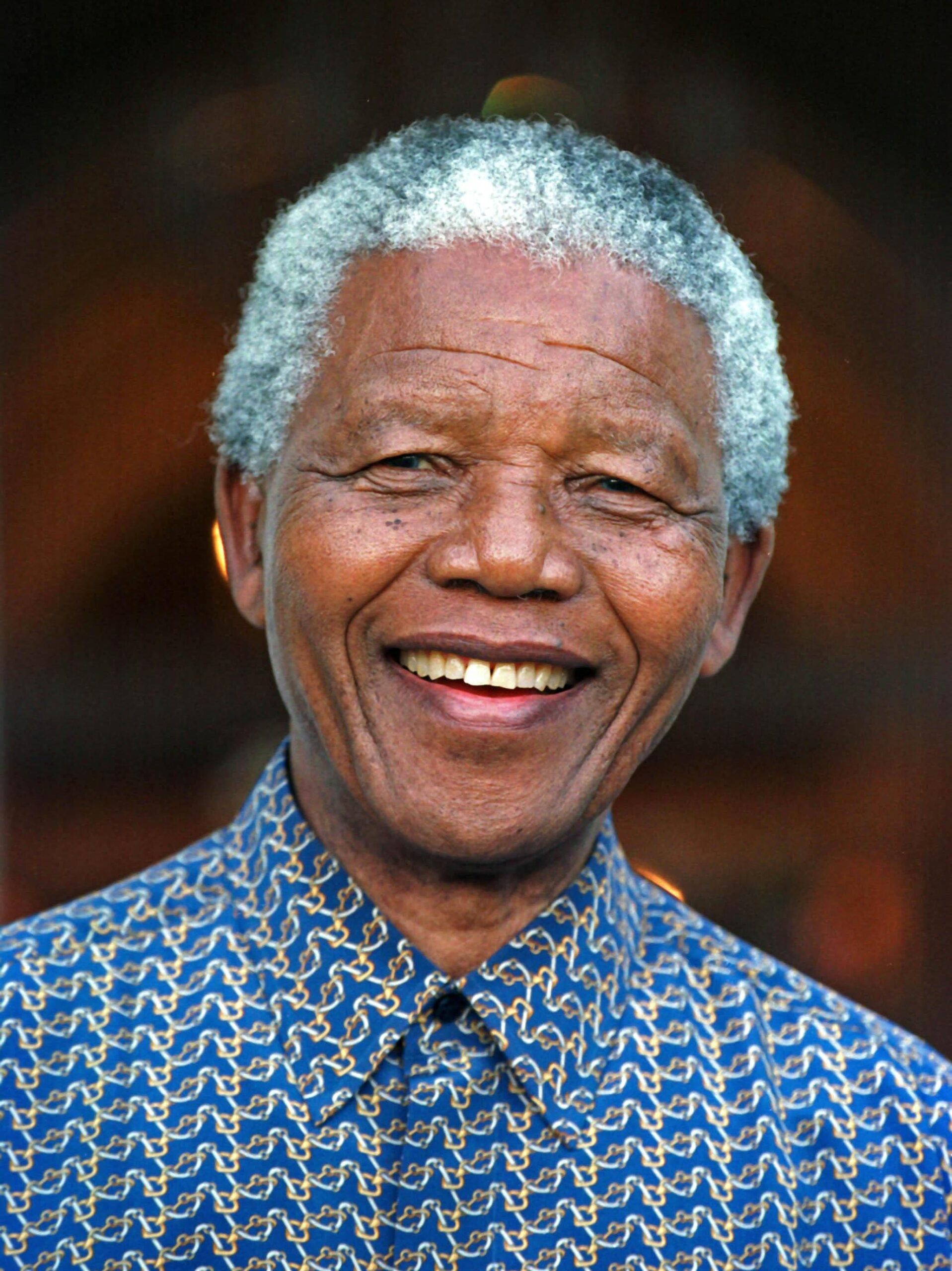
Nelson Mandela, a name synonymous with the struggle for freedom and equality, holds a significant place in history as an advocate for human rights and justice. His extraordinary journey from prisoner to President of South Africa is not just a tale of personal triumph, but a testament to resilience and the power of activism against apartheid. As the world commemorates the milestones of his life, understanding Mandela’s impact remains crucial in contemporary discussions about social justice and human rights.
Life and Struggle
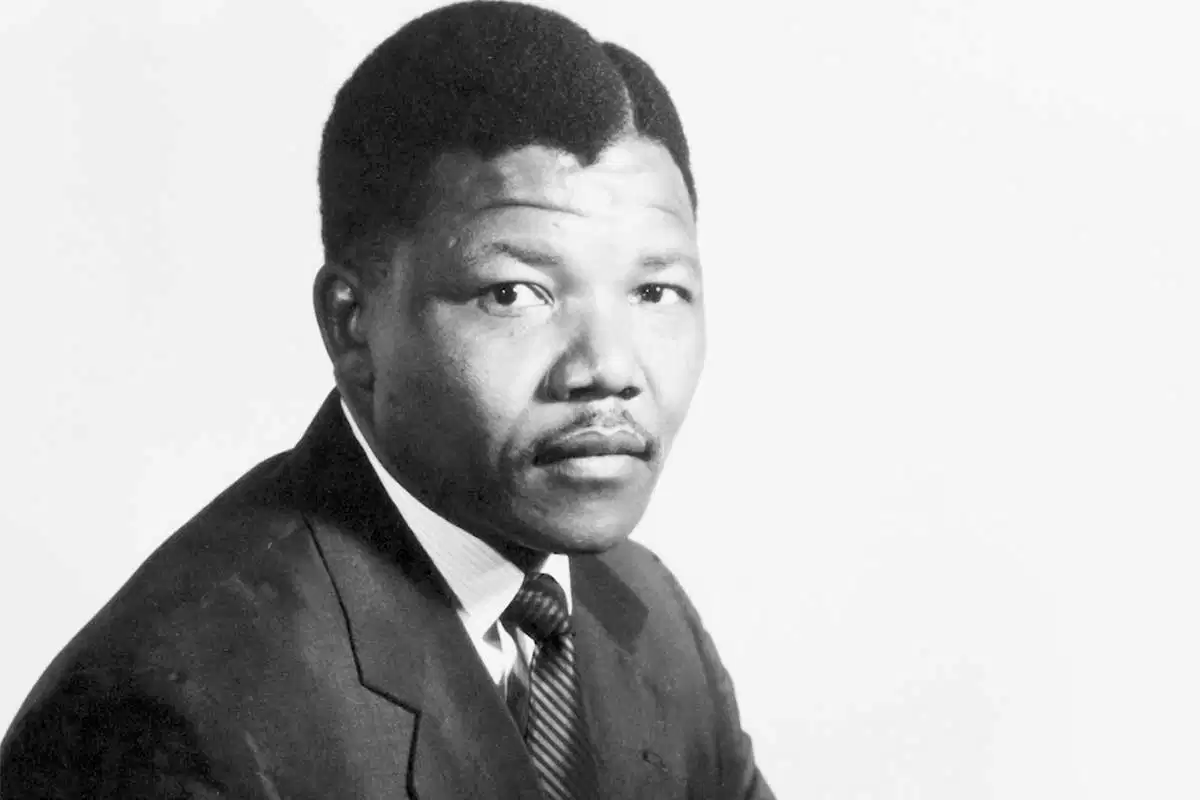
Born on July 18, 1918, in the Eastern Cape of South Africa, Mandela was a member of the Xhosa tribe. His entry into the political arena began at the University of Fort Hare where he became involved in student politics. After joining the African National Congress (ANC) in 1944, he fought against the segregation laws of the apartheid regime that disenfranchised non-white South Africans. His activism led to several arrests, and in 1961, he co-founded Umkhonto we Sizwe, the armed wing of the ANC.
In 1962, Mandela was arrested and subsequently sentenced to life imprisonment in 1964 for his anti-apartheid activities, spending 27 years behind bars. His release in 1990 marked a pivotal moment in South African history. A global campaign for his release had drawn significant international attention to the injustices of apartheid. Mandela emerged not just as a released prisoner but as a symbol of hope for millions.
Presidency and Beyond
After his release, Mandela led negotiations to dismantle apartheid and establish multiracial elections in 1994, becoming South Africa’s first Black president. His presidency was marked by efforts to reconcile a divided nation, advocating for forgiveness and understanding among its citizens. The Truth and Reconciliation Commission, which he established, aimed to acknowledge the brutal past and heal the country’s wounds.
Mandela’s influence transcended South African borders; he became a global icon for peace, advocating for issues such as HIV/AIDS awareness and education. Even after stepping down as president, his commitment to activism continued through the establishment of the Nelson Mandela Foundation, focusing on issues of equality, freedom, and democracy.
Conclusion
Nelson Mandela’s legacy is not just confined to his achievements in politics but also encompasses his unwavering belief in human dignity and justice. With his passing on December 5, 2013, the world lost a beacon of hope, yet his ideals continue to inspire fights against inequality and oppression. As current global movements strive for social justice, Mandela’s message remains relevant: that compassion, understanding, and perseverance can change the world. His life reminds us of the potential impact one individual can make in the quest for a better society.