Introduction to Svalbard
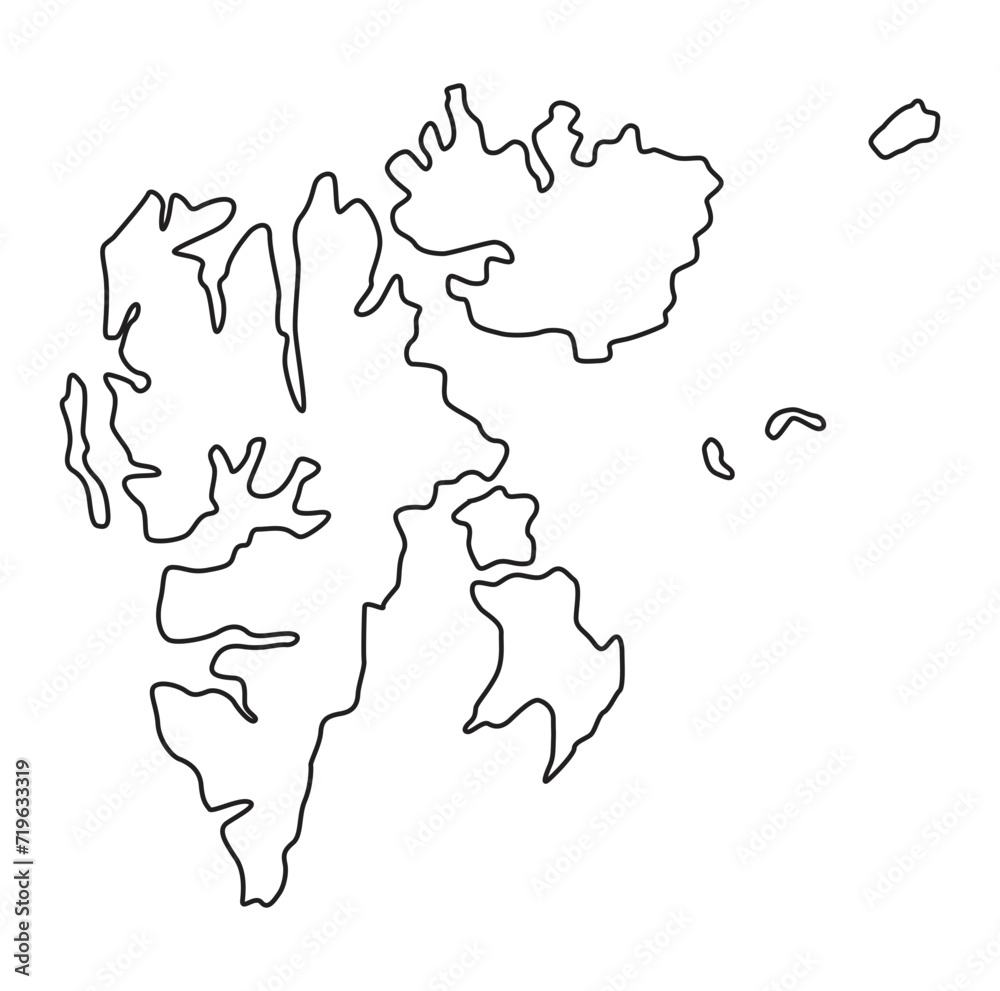
Svalbard, a remote archipelago located north of mainland Europe, is a territory of Norway renowned for its breathtaking landscapes, unique wildlife, and rich natural resources. This Arctic region has become increasingly relevant in recent years due to its strategic significance in geopolitics, climate change studies, and tourism. The archipelago’s unique environment offers a glimpse into the effects of global warming and attracts scientists, adventurers, and nature enthusiasts from around the world.
Recent Developments in Svalbard
In 2023, Svalbard has gained attention as the melting Arctic ice opens up new shipping routes and potential access to untapped natural resources, sparking interest among various nations. The region is witnessing a rise in tourism, with visitors drawn to its stark beauty, including glaciers, fjords, and vibrant wildlife such as polar bears and walruses. The Longyearbyen Global Seed Vault, often referred to as the ‘Doomsday Vault’, serves as a critical global facility, safeguarding the world’s crop diversity amidst increasing climate threats.
The tourism sector is being strategically developed by the Svalbard tourism board to promote responsible exploration of this fragile environment. Eco-tourism initiatives are in focus, ensuring visitors are educated about conservation efforts and the importance of preserving this unique ecosystem. In recent months, there has been an increase in guided tours, showcasing the importance of sustainability while exploring Svalbard’s breathtaking landscapes.
Environmental Concerns and Climate Change
Climate change remains a pressing issue in Svalbard, with recent studies confirming that temperatures in this region are rising at more than twice the global average. This alarming trend is affecting the local wildlife and altering the landscape dramatically. Glaciers are retreating, and traditional wildlife migration patterns are changing. Scientists are working diligently to understand these shifts and how they influence global ecosystems.
The Norwegian government is taking action by implementing policies aimed at environmental protection and resource management to balance economic interests with ecological preservation. These initiatives include strict regulations on tourism and resource extraction, underscoring Norway’s commitment to maintaining Svalbard’s pristine environments for future generations.
Conclusion and Future Outlook
Svalbard remains an area of vital importance not just for its natural beauty but also as a barometer for global environmental changes. As interest in the North increases for various reasons—including tourism, scientific research, and resource exploration—the region stands at a crossroads. The balance between development and conservation will play a critical role in shaping Svalbard’s future. For visitors and policymakers alike, understanding the significance of this Arctic haven is essential as it offers a unique perspective on our planet’s changing climate and biodiversity challenges.