Introduction
Etihad Airways, the national airline of the United Arab Emirates, has been a significant player in the global aviation industry since its inception in 2003. With its headquarters based in Abu Dhabi, Etihad operates flights to over 120 passenger and cargo destinations across six continents. The importance of Etihad Airways in the aviation sector is underscored by its commitment to modernisation, sustainability, and excellent customer service. Recent developments in the airline provide insights into its strategic focus and future potential in a rapidly evolving market.
Recent Developments
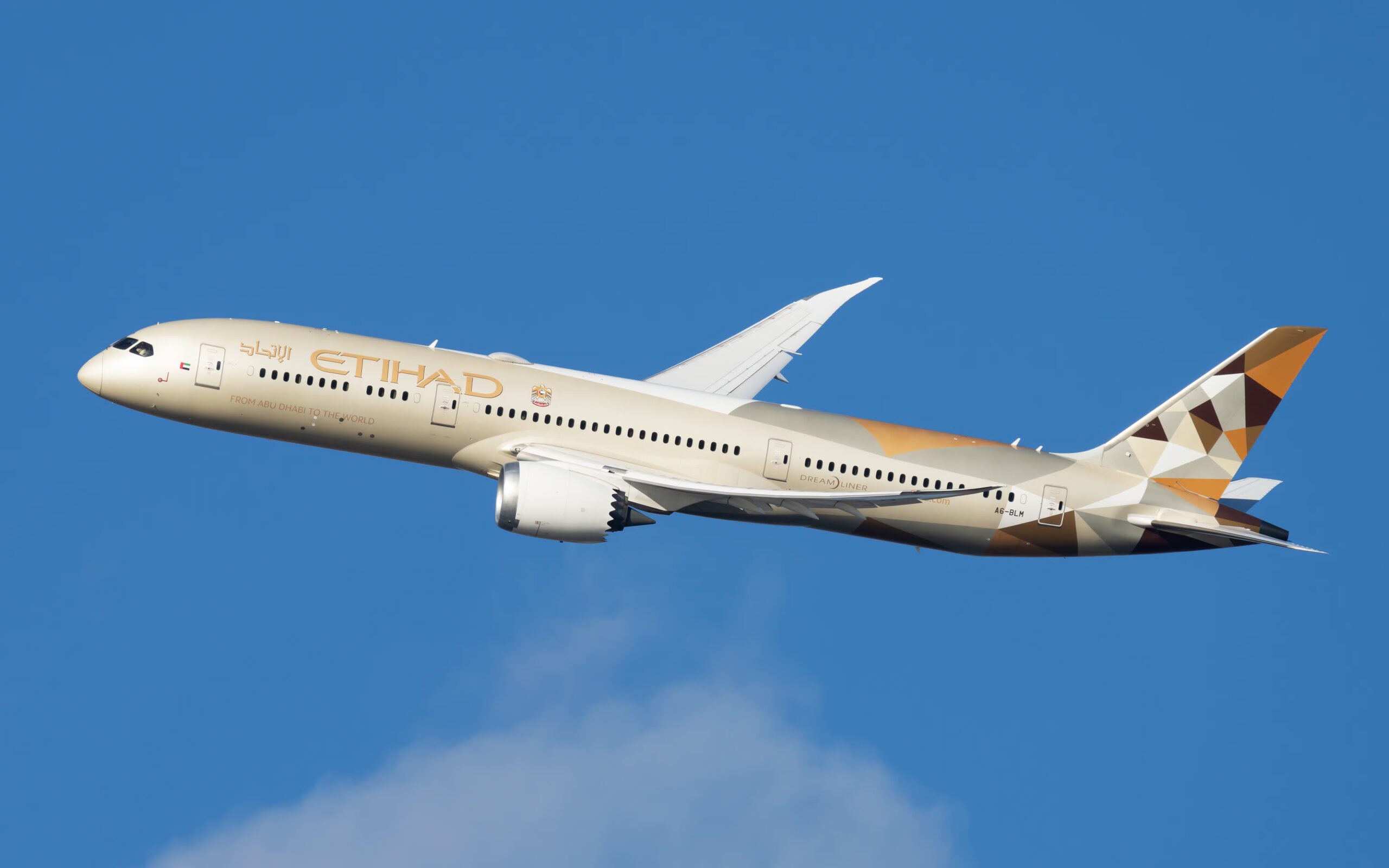
In recent months, Etihad Airways has accelerated its fleet expansion, announcing an order for up to 50 Boeing 787 Dreamliners to support its ambitious growth plans. This order is part of a broader strategy to enhance its service offerings and improve operational efficiency. The new fleet is expected to serve both long-haul and short-haul routes, providing passengers with a more environmentally friendly and technologically advanced flying experience.
In addition to fleet expansion, Etihad has made significant strides in sustainability initiatives. The airline aims to achieve net-zero emissions by 2050, aligning with international efforts to combat climate change. Etihad has invested in sustainable aviation fuel (SAF) and is one of the first airlines globally to operate commercial flights using SAF. This commitment positions the airline at the forefront of the industry’s shift towards greener practices.
Strategic Partnerships
Etihad Airways has also strengthened its strategic alliances with other airlines. Notably, its partnership with Air France-KLM has expanded connectivity for passengers travelling between Europe and the Middle East. Such alliances not only improve service offerings but also help in coping with the competitive pressures faced by airlines globally.
Conclusion
As Etihad Airways continues its journey with substantial investments in fleet expansion and sustainability, and by forming strategic partnerships, the airline is poised to enhance its global presence. The focus on reducing carbon emissions and improving passenger experience reflects industry trends toward sustainability and customer service excellence. For passengers and stakeholders, the developments at Etihad Airways signal a commitment to innovation and an ability to adapt to changing market conditions, making it a key player in the future of aviation.