Introduction
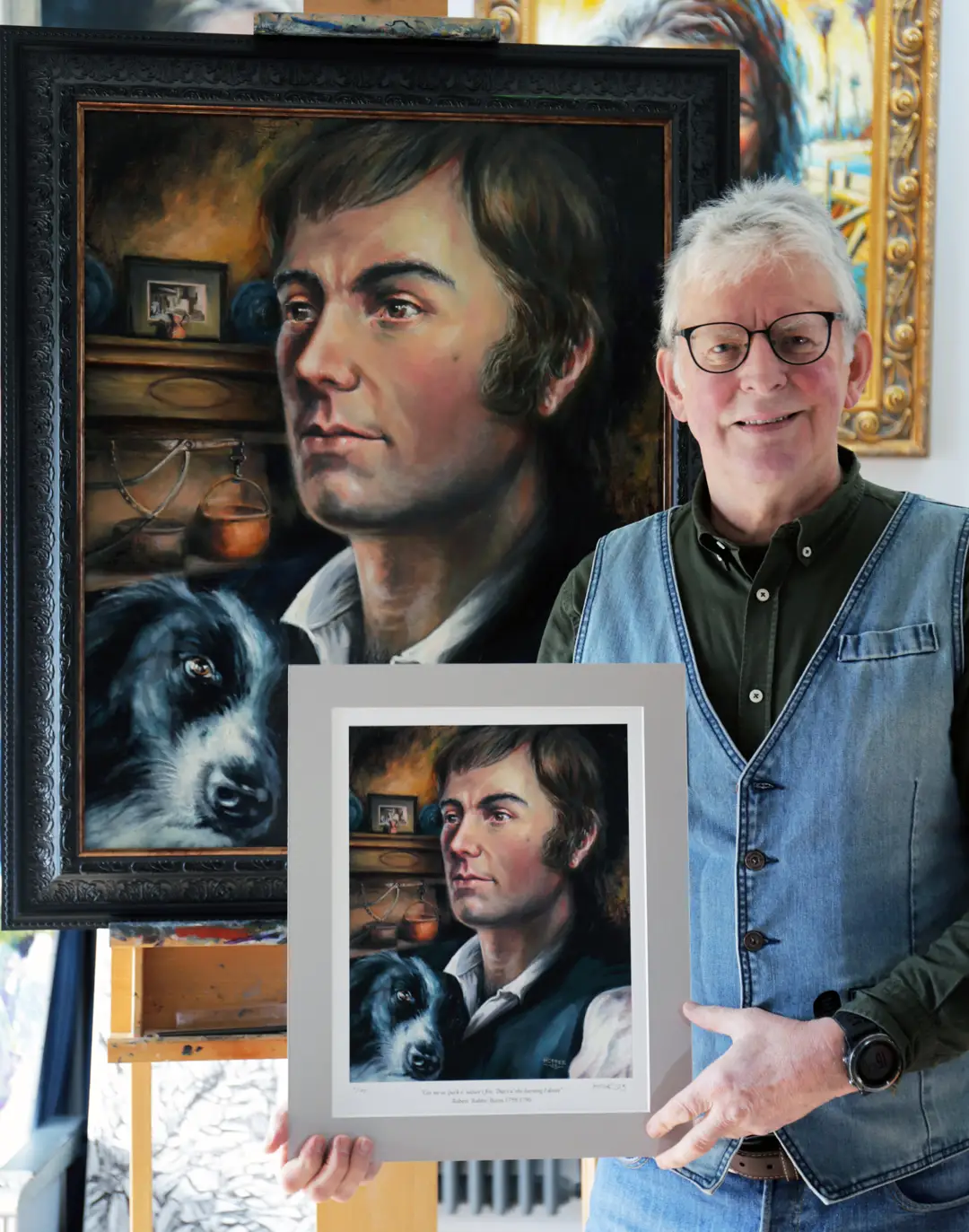
Rabbie Burns, known as the Bard of Ayrshire, is Scotland’s most celebrated poet and lyricist, whose work has had a profound influence on Scottish literature and culture. Born on January 25, 1759, Burns’s contributions to poetry and folk songs resonate well beyond his lifetime, making him a symbol of Scottish national identity. His birthday, known as Burns Night, is celebrated globally with feasts and readings of his poetry, underscoring his lasting relevance.
Life and Early Years
Born to a tenant farmer in Alloway, Ayrshire, Burns experienced the hardship of rural Scottish life, which significantly shaped his writing. His early exposure to traditional Scottish folk songs and oral poetry cultivated his passion for verse. Despite limited formal education, Burns’s talent blossomed, and he began writing poetry in his late teens. His first collection of poems, ‘Poems, Chiefly in the Scottish Dialect’, published in 1786, gained him immediate acclaim and established his reputation as a formidable writer.
Literary Contributions
Burns’s works delve into themes of love, nature, and social justice, often intertwined with Scottish culture and vernacular. Some of his most famous compositions include ‘Auld Lang Syne’, traditionally sung at New Year celebrations, and ‘Tam o’ Shanter’, a narrative poem about a drunken farmer’s encounter with witches. His distinct use of the Scots language adds authenticity and depth, appealing to both local and international audiences.
Legacy and Cultural Impact
Rabbie Burns passed away on July 21, 1796, but his influence continues to thrive. Burns Night, celebrated on his birthday, is filled with traditional Scottish fare such as haggis, neeps, and whiskey, along with recitals of his poetry. Institutions, festivals, and societies dedicated to Burns’s memory proliferate, ensuring that his work remains integral to Scotland’s cultural heritage. Moreover, Burns’s advocacy for social equality and human rights resonates with contemporary audiences, inspiring movements and writers alike.
Conclusion
Rabbie Burns’s legacy is a testament to the power of poetry to encapsulate the human spirit. His unique ability to capture the essence of life, love, and the struggles faced by ordinary people endears him to generations. As Scotland continues to embrace and celebrate the contributions of this literary titan, Burns’s work not only cements his position as a national icon but also inspires critical thought and dialogue about cultural identity, making his relevance timeless.