Introduction
The release of the Quad Cortex Mini has garnered significant attention in the music community, particularly among guitarists and musicians who rely on cutting-edge technology for their sound. With the growing trend of portable and compact gear, the Quad Cortex Mini promises high-quality performance in a smaller footprint, making it a relevant topic in today’s music scene.
Key Features of the Quad Cortex Mini
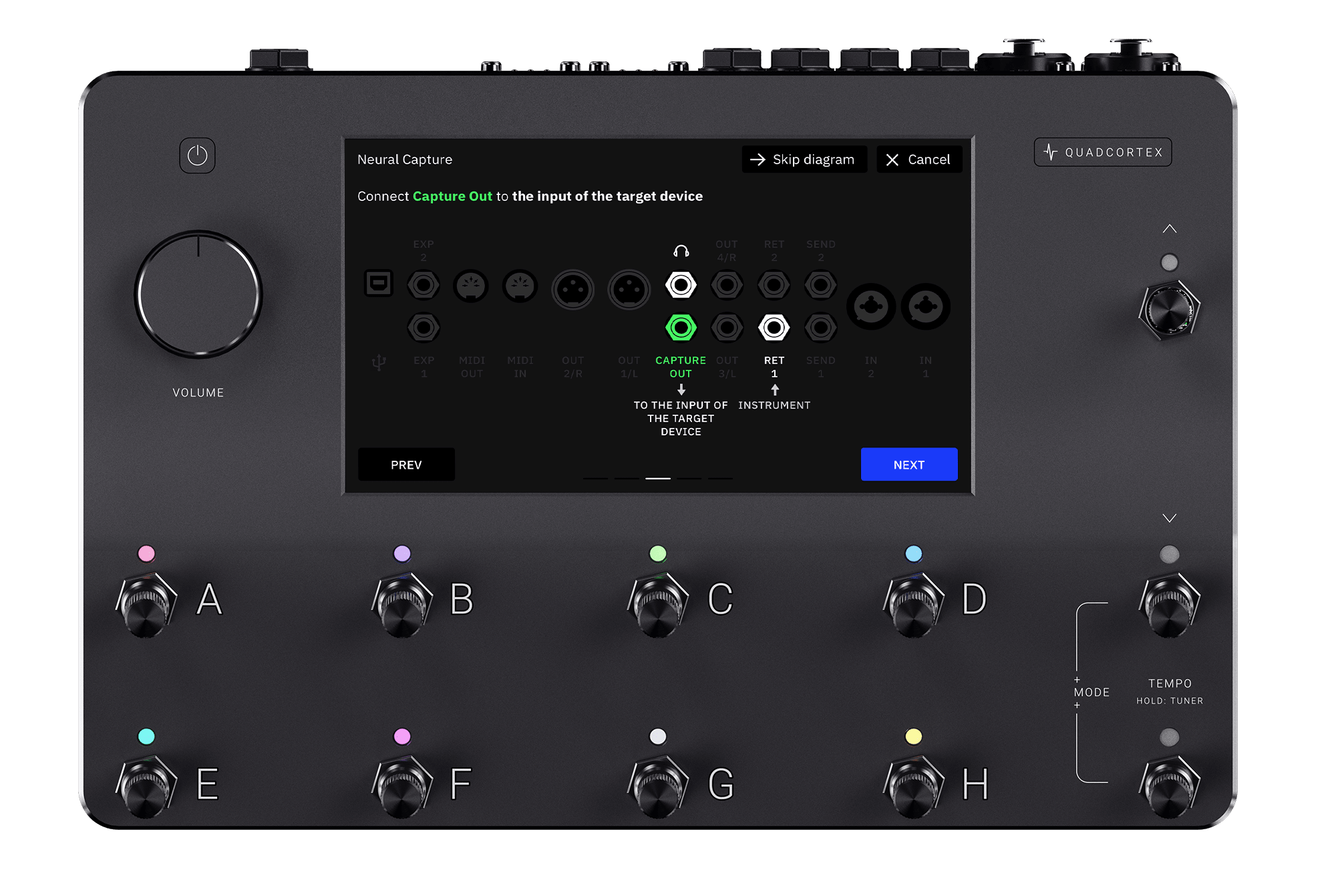
The Quad Cortex Mini, unveiled recently by Neural DSP, boasts a range of impressive features tailored for both live performances and studio sessions. Its design includes a streamlined interface equipped with touchscreen controls, allowing musicians to easily navigate through presets and effects. The unit supports a plethora of amp models, cabinet simulations, and effects, making it a versatile addition to any guitarist’s arsenal.
One notable feature of the Mini is its incredible processing power. Despite its compact size, it utilizes the same advanced digital signal processing found in its predecessor, the Quad Cortex. This ensures top-notch audio fidelity and responsiveness, essential for professional-grade recordings and performances.
Impact on the Music Industry
The rise of portable music technology has revolutionised how musicians approach live performances and recording. The Quad Cortex Mini is particularly significant, as it aligns with the desires of modern musicians for lightweight, yet powerful gear that doesn’t compromise quality. Additionally, its ability to integrate seamlessly with various digital audio workstations (DAWs) makes it an attractive option for composers and producers alike.
Conclusion
The Quad Cortex Mini could potentially reshape the landscape of portable guitar processors. As musicians increasingly seek convenience without sacrificing sound quality, this device offers a promising solution. With positive industry reviews already surfacing, it’s expected that the Quad Cortex Mini will continue to gain traction among both amateur and professional players. As the market for compact musical technology expands, tools like this could redefine how music is created, performed, and experienced around the world.