Introduction
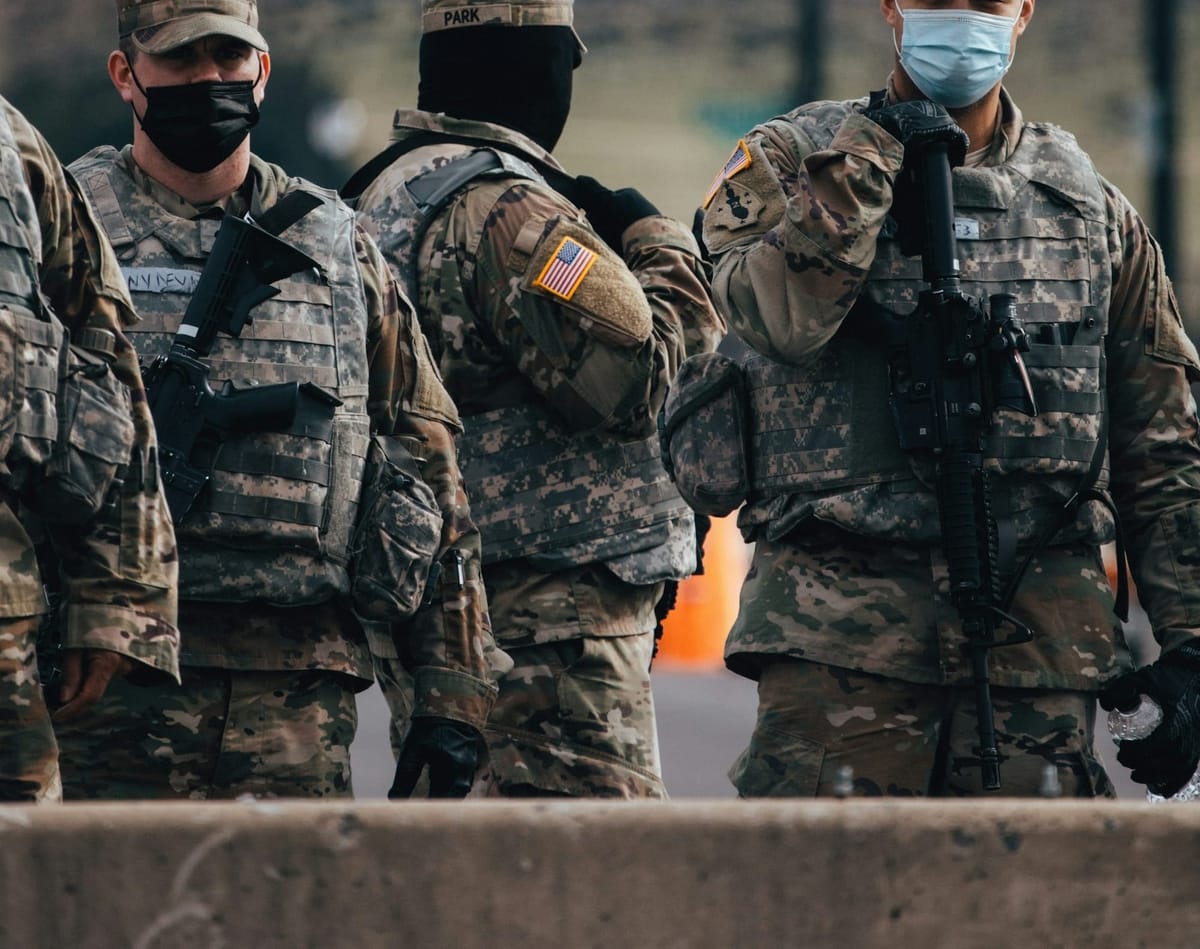
The Insurrection Act is a crucial piece of legislation in the United States that empowers the President to deploy military forces to suppress insurrections and enforce federal law. As civil unrest and protests continue to capture headlines, the relevance of this act has come under renewed scrutiny. Understanding its implications is more critical than ever for citizens as they navigate the changing landscape of governmental authority and civil rights.
Historical Context
First enacted in 1807, the Insurrection Act was designed to provide the federal government with the legal framework to quell rebellions and domestic violence. Over the years, it has been invoked rarely, but notable instances include President Eisenhower’s deployment of troops to enforce school desegregation in Arkansas in 1957 and the more recent use of the act by President George H.W. Bush in 1992 during the Los Angeles riots.
Recent Developments
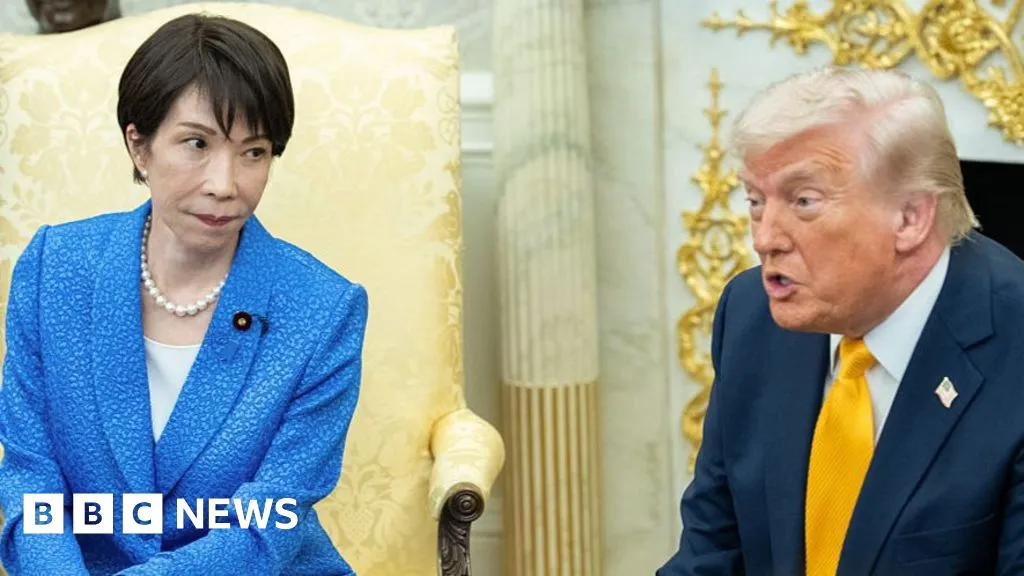
In recent years, discussions about the Insurrection Act have re-emerged, particularly during the tumultuous summer of 2020, when nationwide protests erupted in response to police brutality and systemic racism. On June 1, 2020, President Donald Trump hinted at the possibility of invoking the Insurrection Act as a means to address the unrest, raising concerns among civil rights advocates regarding the potential overreach of federal authority.
In light of these factors, the act’s future applicability and scope have been brought into question. Legal experts are divided over the constitutionality of invoking the Insurrection Act, especially in situations where state governors do not request federal support.
Consequences and Public Sentiment
The implications of the Insurrection Act extend beyond immediate public order concerns. Its invocation could lead to an escalation of tensions between state and federal powers, complicating the delicate balance of authority that defines the American political system. Public sentiment towards the act is varied; while some see it as a necessary tool for maintaining law and order, others view it as a potential threat to civil liberties and an infringement on states’ rights.
Conclusion
Looking forward, the Insurrection Act remains a powerful symbol of federal authority amidst domestic crisis. Its applications and interpretations may well evolve based on the socio-political climate in the United States. For citizens, understanding this act is vital for informed discourse regarding the limits of governmental power and the importance of upholding civil rights. As potential insurrections arise, the scrutiny of this legislation will likely continue to intensify, prompting debates about its role in a democratic society.