Introduction to King Charles
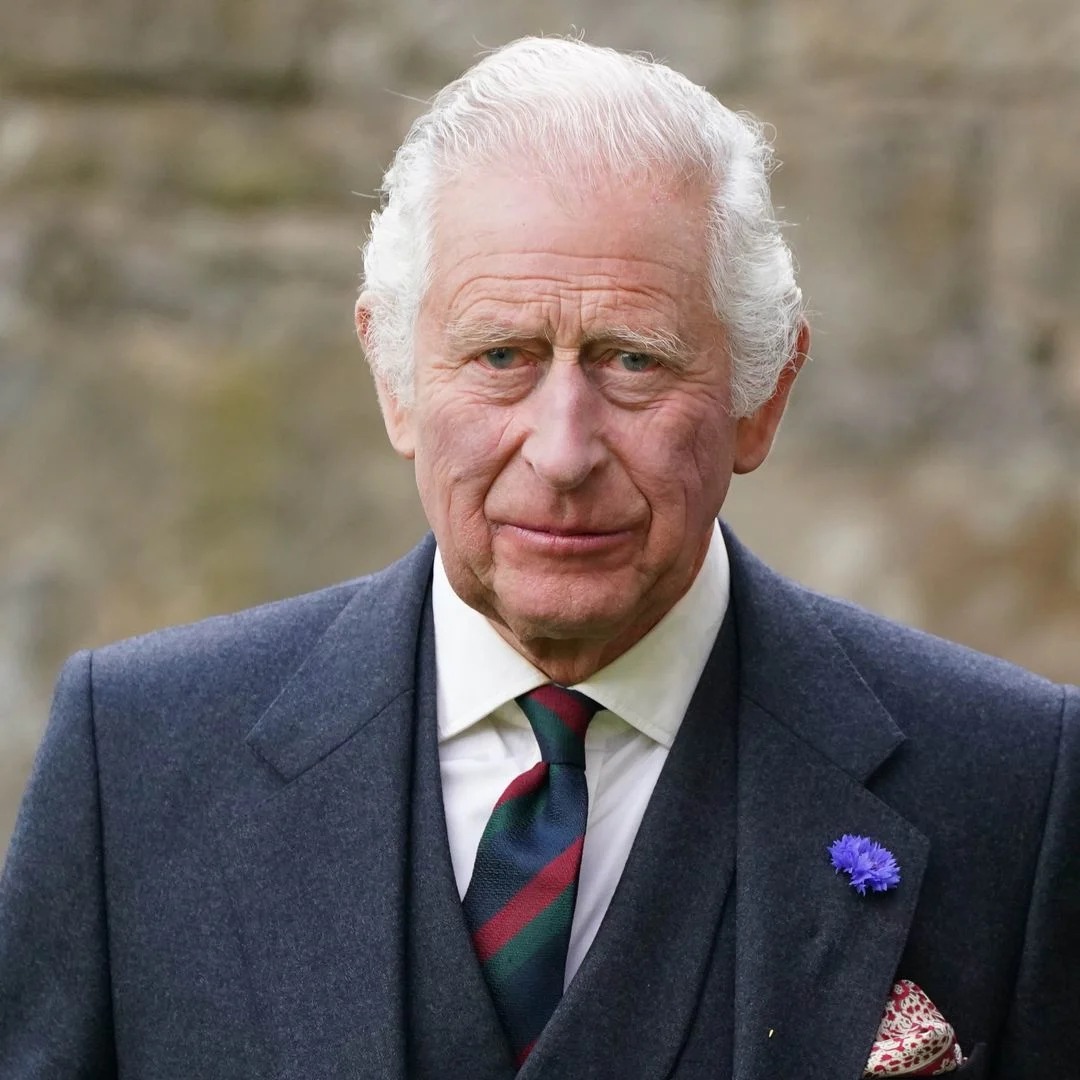
Since his accession to the throne in September 2022, King Charles III has symbolised a new chapter in the British monarchy. Following the passing of his mother, Queen Elizabeth II, after a historic 70-year reign, King Charles has faced immense expectations and challenges. His reign marks not just the continuation of royal traditions, but also an era where the monarchy seeks to adapt to modern societal values.
Key Events and Developments
King Charles, formally known as Charles Philip Arthur George, has been at the forefront of numerous significant events since his ascension. One of the primary focuses of his early reign has been addressing issues such as climate change, sustainability, and social cohesion. These concerns are particularly pivotal to the younger generation and indicate a shift towards a more progressive dialogue within the royal institution.
In recent months, King Charles has emphasised the importance of connection with Commonwealth nations. He expressed his desire to strengthen these relationships, acknowledging their cultural significance and contributions to the United Kingdom. This focus aligns with his long-standing commitment to environmental stewardship, as he continues to advocate for initiatives promoting ecological sustainability both within the UK and globally.
Furthermore, King Charles has navigated the complexities of a changing public perception of the monarchy. The royal family has underlined transparency and relatability as foundational themes in their interactions, as seen in various social media engagements and public appearances. King Charles has actively participated in outreach programmes aimed at young people, showcasing a new, relatable side of royalty.
Challenges Ahead
Despite the positive strides, King Charles faces considerable challenges. The lingering sentiments surrounding recent royal controversies and the changing dynamics of public support for the monarchy reflect a pressing need for adaptation. Tackling these issues while protecting the integrity and historical significance of the monarchy will be critical for King Charles as he seeks to establish his legacy.
Conclusion: The Significance of His Reign
King Charles III’s reign is significant for its focus on modernisation and adaptation within the British monarchy. As he strives to connect with a diverse populace, his decisions and initiatives are being closely followed by the public and historians alike. The impact of his reign will shape royal traditions for years to come, laying the groundwork for future generations. Ultimately, King Charles embodies both a deep-rooted respect for constitutional monarchy and a vision for an inclusive, relevant royal institution for the contemporary world.