Introduction
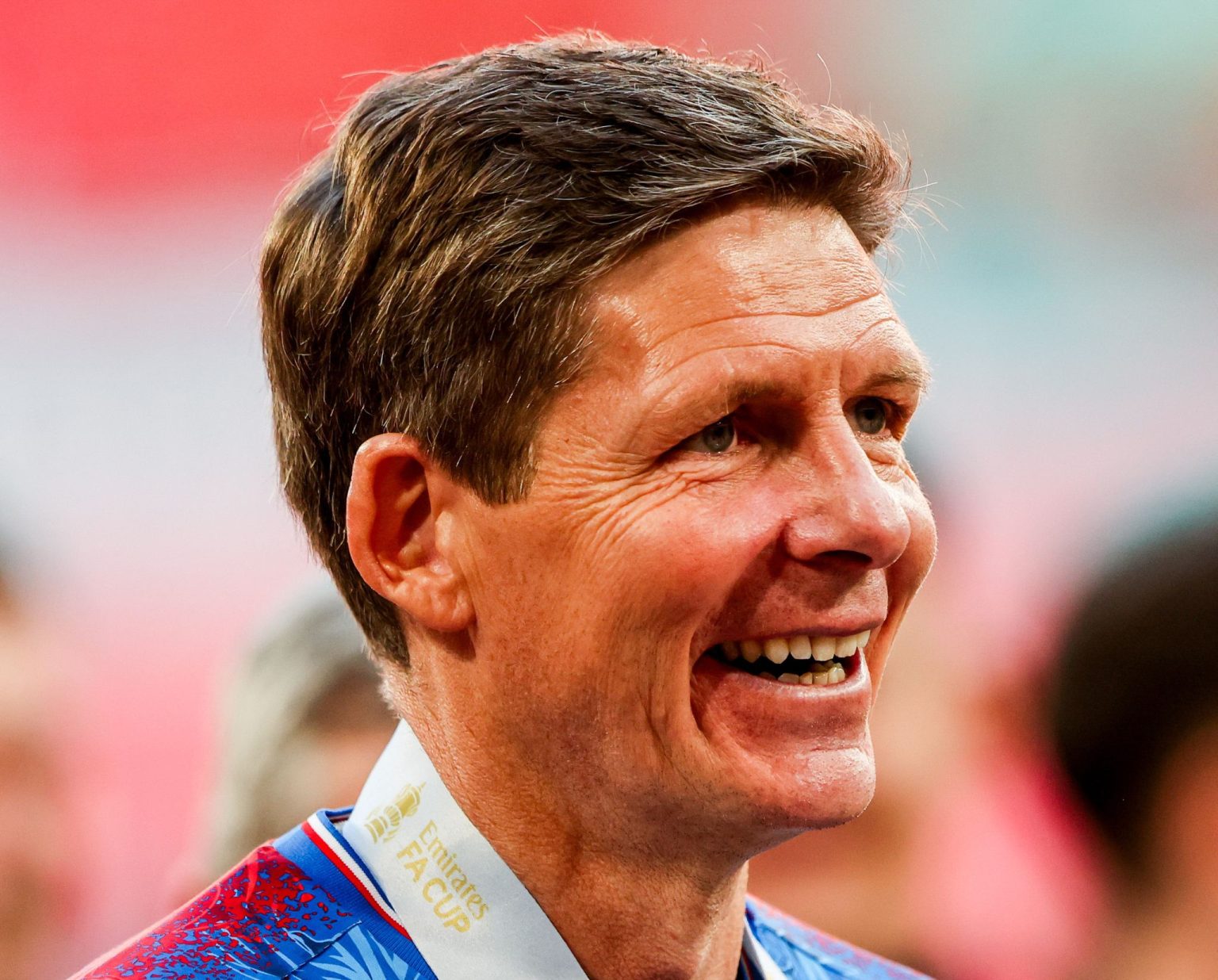
Oliver Glasner has emerged as one of the most intriguing figures in football management, known for his tactical acumen and innovative approach. His rapid rise in the football world has captivated fans and analysts alike, making his career a focal point of discussions around modern football strategies and the future of coaching. This article delves into his career, recent successes, and the evolving landscape of football management.
Career Beginnings
Born on August 23, 1974, in Salzburg, Austria, Glasner’s journey into football began as a player before transitioning into coaching. He played as a defender and made a name for himself with clubs like SV Austria Salzburg and FC Kärnten. After retiring from professional play, Glasner quickly shifted to coaching, obtaining his UEFA Pro Licence and starting his managerial career in the Austrian lower leagues.
Success with LASK
Glasner first gained significant attention during his tenure at LASK Linz, where he led the team to a remarkable Austrian Bundesliga runner-up finish in the 2017-2018 season. His emphasis on tactical flexibility and a strong attacking philosophy transformed LASK into a formidable competitor in Austria and allowed them to progress in European competitions, drawing attention from larger clubs across Europe.
Achievements at Eintracht Frankfurt
After a successful period in Austria, Glasner took the helm at Eintracht Frankfurt in 2021. His tenure saw immediate success as he guided the team to victory in the UEFA Europa League 2021-2022, marking a historic feat for the club. Under his leadership, Frankfurt displayed resilience and a balanced attacking style, which earned Glasner accolades as a manager who embraces both defensive solidity and offensive creativity.
Current Developments and Future Prospects
As of October 2023, Glasner continues to manage Eintracht Frankfurt, where they are competing both domestically and in Europe. His adaptive management style and focus on player development are expected to keep the club competitive in both arenas. Observers are keen to see how Glasner will navigate the challenges ahead, particularly in the Bundesliga where competition is fierce. There are discussions surrounding potential interest from major clubs, indicating that Glasner’s career may soon take another significant turn.
Conclusion
Oliver Glasner’s journey in football management exemplifies the transition of tactics and philosophies in the contemporary game. His achievements thus far resonate with fans and aspiring managers, signalling a bright future both for him and for the clubs he manages. As he seeks to elevate Eintracht Frankfurt further, his strategies and decisions will be closely watched, highlighting the importance of innovative leadership in football’s ever-evolving landscape.