The Importance of a TV Licence
In the United Kingdom, a TV licence is required for viewing or recording live television broadcasts and for using the BBC iPlayer. The revenue generated from TV licence fees primarily funds the British Broadcasting Corporation (BBC), enabling it to deliver impartial news and entertainment services. Given recent changes in the media landscape, understanding the relevance and implications of the TV licence is more important than ever.
Current Fees and Changes
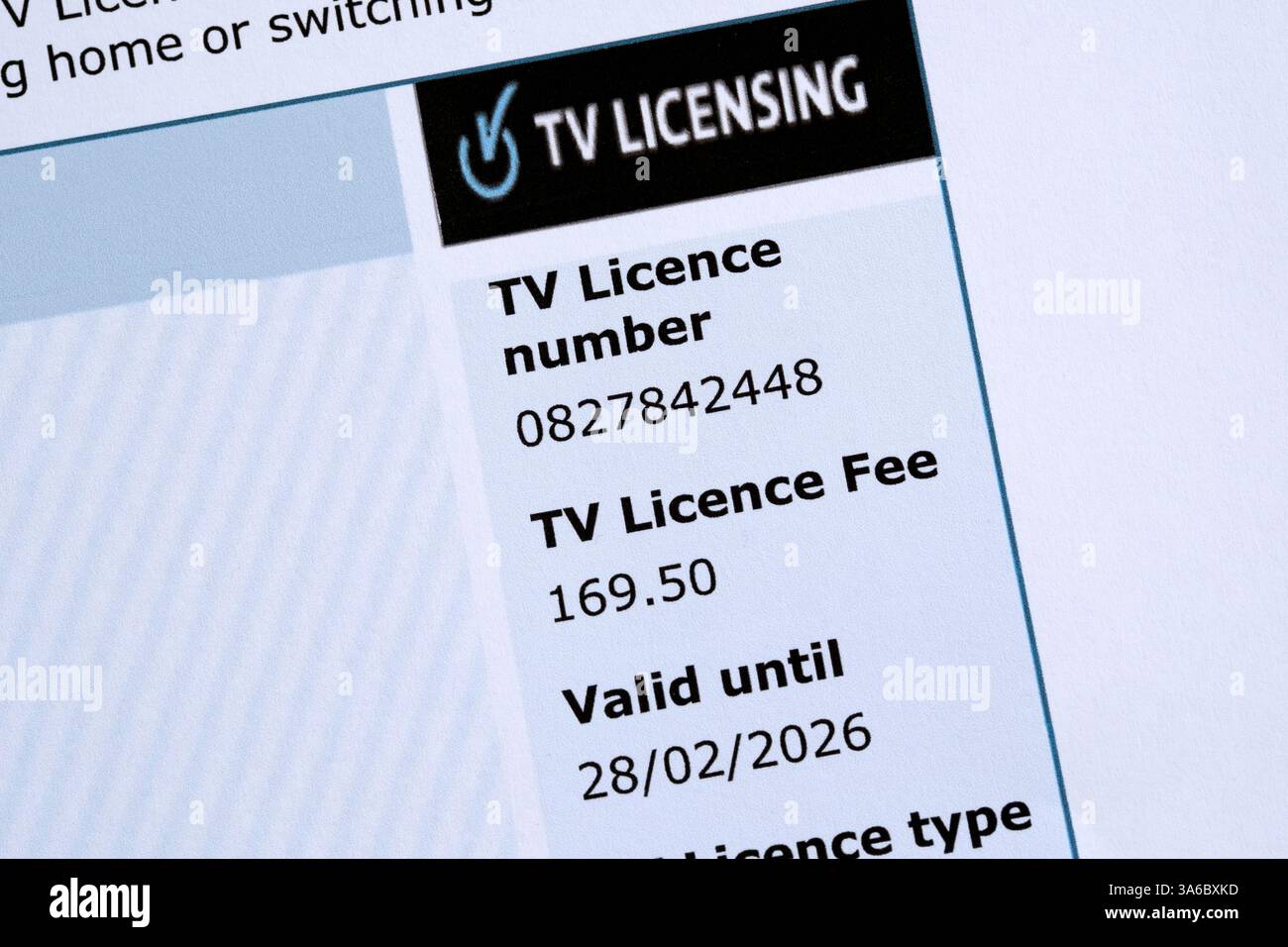
As of April 2023, the fee for a standard television licence remains at £159 per year for colour TV. For black and white TVs, the fee is set at £53.50. It is crucial for viewers to keep abreast of any changes in these fees, as the BBC reviews the licence fee every five years. The latest review was carried out in 2022, which concluded that any increase in fees would remain capped at inflation until 2027. Additionally, the future of the licence fee continues to be debated in parliament, leading to uncertainty about its long-term viability.
Exemptions and Enforcement
Not everyone needs a TV licence. Certain categories of individuals are exempt, such as those who do not watch live broadcasts or do not use iPlayer to watch programmes. Furthermore, individuals aged over 75 years and those living in residential care homes may also qualify for a free licence. However, enforcement measures have been made stricter, and viewers found without a licence may face a fine of up to £1,000. In recent months, the BBC has ramped up efforts to encourage compliance, utilising various media and public announcements.
Digital Shift and the Future of the Licence
With the rise of online streaming services like Netflix and Amazon Prime, the traditional model of broadcasting is undergoing significant changes. As viewer habits change, there is ongoing dialogue regarding the future of the TV licence fee and its relevance. Some experts advocate for a reformed funding model for the BBC that may be based on subscription or taxation, while others support the retention of the current system. The discussions surrounding these developments signal the need for ongoing learning and adaptation.
Conclusion
The TV licence represents a vital aspect of media funding and accessibility in the UK. As the media landscape continues to evolve, regular updates and reviews of the licence fee structure highlight its ongoing importance. For UK residents, staying informed about licence requirements and any changes is crucial in navigating the current broadcasting environment. The dialogue surrounding the future of the TV licence remains significant and merits attention as the industry adapts to the digital age.