Introduction to Blue Moons
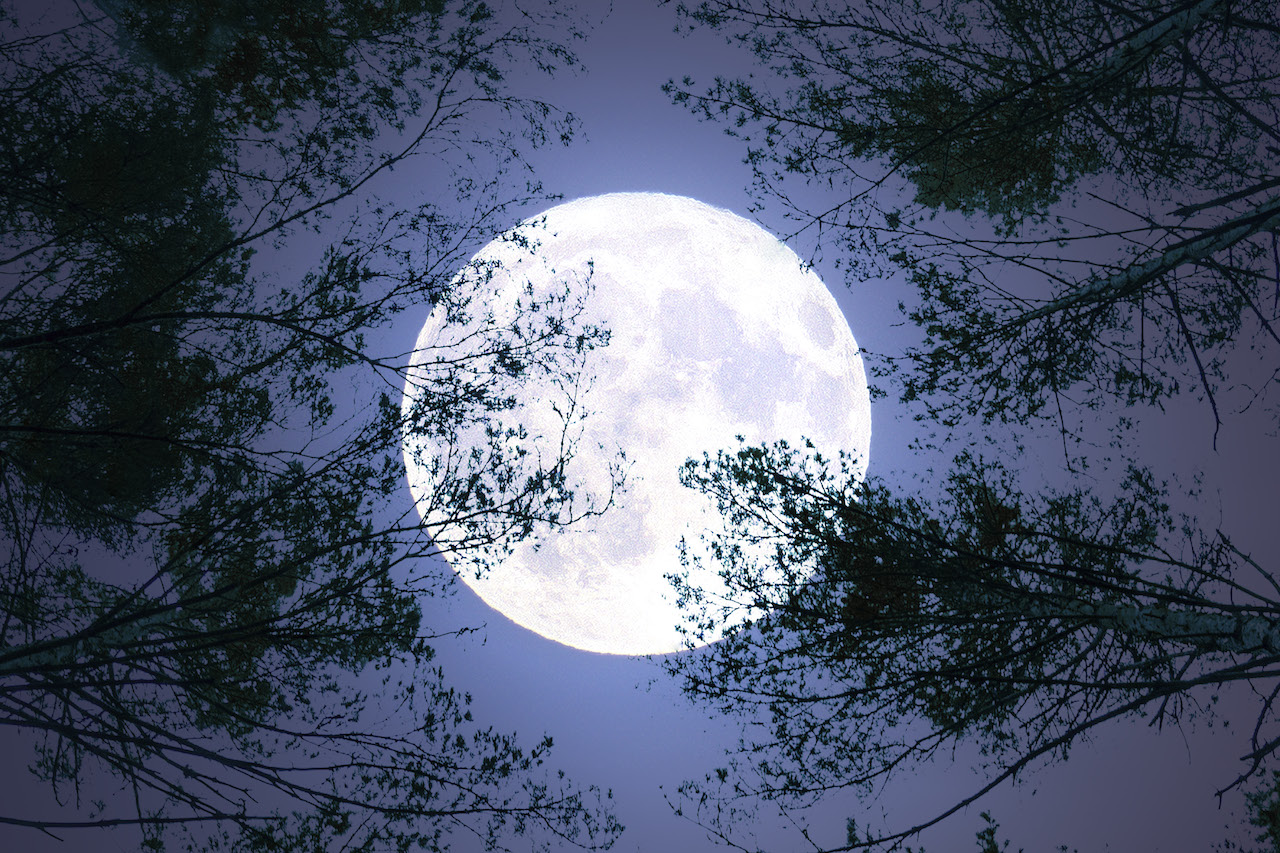
The term ‘blue moon’ captures the imagination of many, often associated with rare astronomical events and cultural significance. While it can signify an infrequent occurrence, it is essential to understand its definition in the context of lunar cycles. A blue moon refers to the second full moon in a calendar month that has two full moons, occurring every two to three years on average.
The Science Behind Blue Moons
The concept of a blue moon originates from an old definition dating back to the Maine Farmers’ Almanac of the 1930s. The modern definition specifying the second full moon in a month became widely known after it was popularised in a 1946 Sky & Telescope magazine article. The rarity of seeing two full moons in a single month makes the blue moon a celebrated event among astronomers and sky-watchers. On average, a blue moon will occur approximately once every 2.7 years.
The last blue moon occurred on August 31, 2023, a clear example of the phenomenon. Sky enthusiasts gathered worldwide to witness this astronomical event, with various locations organising viewing parties and celebrations. The next blue moon is predicted for August 30, 2026, promising to be another exciting night of lunar observation.
Significance and Cultural References
Beyond its scientific definition, blue moons have infiltrated cultural references and folklore. The phrase ‘once in a blue moon’ denotes something that happens very seldom, which has permeated everyday language to signify rarity. Many cultures have ascribed meaning to the blue moon, viewing it as a time of change or a period to reflect.
In addition to folklore, blue moons have made their mark in art and literature. They have inspired poems, songs, and stories, giving them a rich cultural tapestry that connects people to the natural world. The phenomenon evokes feelings of wonder and curiosity, encouraging individuals to look up at the night sky and contemplate the cosmos.
Conclusion: The Continued Fascination with Blue Moons
The fascination with blue moons showcases humanity’s perpetual interest in the universe and its phenomena. The next opportunity to witness a blue moon offers a rare chance to engage with lunar cycles and reflect on th1e significance of such events in our lives. Understanding and celebrating the phenomenon not only connects us to the natural world but also reminds us of the patterns and rhythms that govern it. As we approach the next blue moon, communities will undoubtedly rally again to embrace this celestial wonder, fostering a sense of unity and excitement.