Introduction
Porto FC, formally known as Futebol Clube do Porto, is a prominent Portuguese football club headquartered in Porto, Portugal. Established in 1893, Porto has become one of the key pillars of Portuguese football. The club’s success on the national and international stages has not only made it a source of pride for its supporters but also a significant force in shaping the football landscape of Portugal. Understanding Porto FC’s legacy is essential not just for fans but for anyone interested in the evolution of football as a sport.
Achievements and Performances
Porto FC has a rich history of achievements, boasting numerous national titles. As of October 2023, the team has won the Primeira Liga championship 29 times, making it one of the most successful clubs in the country. In addition to domestic success, Porto has also made significant strides in European competitions, clinching the UEFA Champions League title twice, once in 1987 and again in 2004 under the leadership of then-manager José Mourinho.
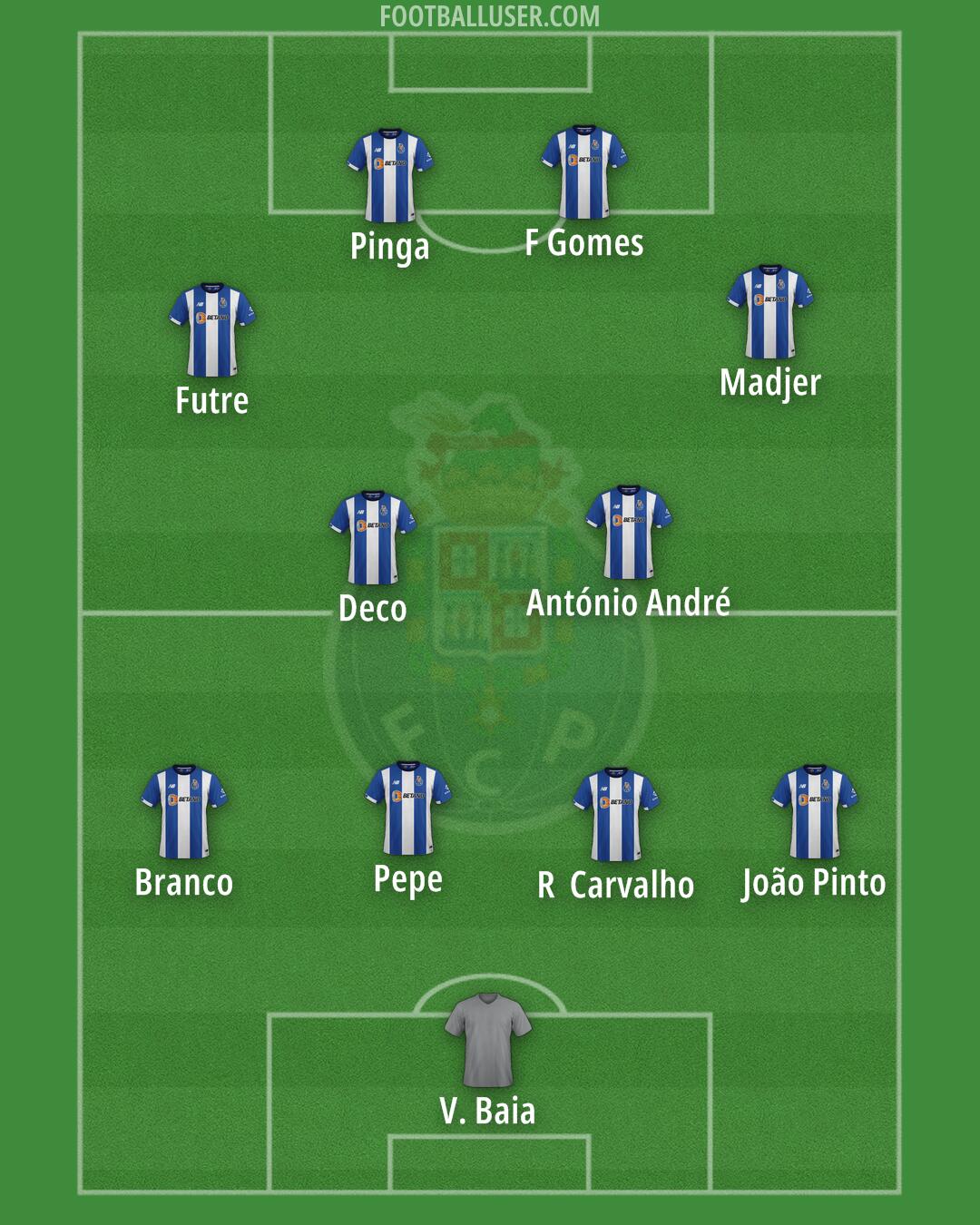
This international acclaim has elevated the club’s status globally, allowing it to cultivate a competitive environment that draws talent from around the world. Porto FC has also produced many notable players who have gone on to excel in major European leagues, further cementing its reputation.
Recent Developments
In recent seasons, Porto FC has continued to demonstrate resilience and tenacity on the pitch. The club aims to reclaim its position as a dominant force in both national and European football. The 2022-2023 season saw Porto competing vigorously in the league, showcasing new talents and refining their strategies under head coach Sérgio Conceição. As the club continues to invest in young talent and adapt to modern football’s tactical demands, its commitment to success remains strong.
The Significance for Supporters and Future Outlook
For supporters of Porto FC, the club represents not just a football team but a community and a sense of identity. The passionate fan base, known as the “Dragões,” demonstrates unwavering loyalty, transforming the Estádio do Dragão into a fortress on matchdays. The connection between the club and its supporters plays a critical role in the team’s motivation and performance.
Looking ahead, Porto FC aims to strengthen its influence in both Portuguese and European football. With a focus on youth development, financial stability, and strategic planning, the club’s leadership is optimistic about returning to the pinnacle of success. As Porto FC prepares for upcoming seasons, its rich history combined with a forward-thinking approach promises to keep fans invested and engaged.
Conclusion
Porto FC’s legacy in the world of football is undeniable. The club stands as a testament to hard work, passion, and the love for the game. As it continues to navigate the complexities of modern football, Porto FC remains a cornerstone of Portuguese sports culture, inspiring new generations of footballers and fans alike.