Introduction
The National Holocaust Museum serves as a vital institution dedicated to educating the public about the atrocities of the Holocaust and the importance of remembering the past. It plays a significant role in preserving the memory of millions who suffered and died during this dark chapter of history. Understanding the lessons of the Holocaust is crucial for ensuring that such horrors are never repeated, making the existence of such museums imperative in today’s world.
Recent Developments
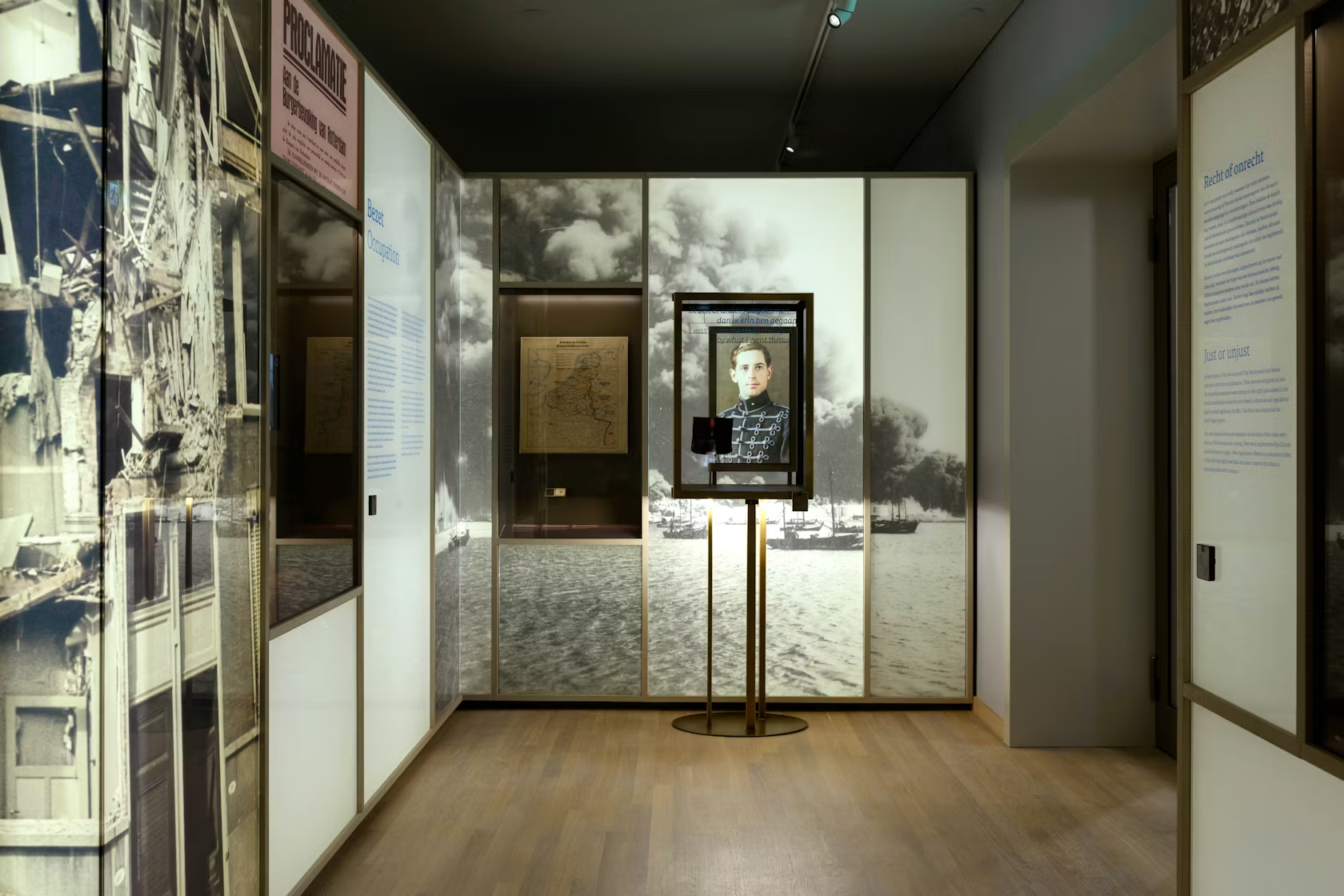
The National Holocaust Museum has recently seen an increase in visitors, particularly following a series of educational programs aimed at younger generations. In 2023, the museum launched a new exhibition titled ‘Voices of Resilience,’ which features survivor testimonies and artefacts from the Holocaust, making history accessible and relatable.
In addition to exhibitions, the museum offers workshops and seminars in collaboration with schools and universities to educate students about anti-Semitism, discrimination, and the importance of tolerance. These initiatives have been particularly relevant in light of rising hate crimes across Europe, where anti-Semitic incidents have increased by 20% over the past year, as reported by various human rights organisations.
The Role of the Museum in Society
The role of the National Holocaust Museum is not just to memorialise, but also to educate. By engaging with local communities, the museum aims to counteract misinformation and prejudice through compelling storytelling and historical accuracy. It serves as a platform for dialogue, inviting visitors to reflect on their roles in combating intolerance in contemporary society.
The museum also actively collaborates with survivors and experts to ensure that their narratives and historical context remain accurate and impactful. These voices are pivotal in shaping the understanding of the Holocaust and its implications on modern society.
Conclusion
As we move further away from the events of the Holocaust, the National Holocaust Museum has become increasingly significant in fostering a collective memory and understanding of this chapter in history. Its ongoing commitment to education and awareness is essential in combatting hatred and discrimination in all its forms. By visiting, supporting, and engaging with the museum, individuals contribute to a shared mission of remembrance and resilience, ensuring that the lessons of the Holocaust are learned and remembered for generations to come.