Introduction
On January 6, 2021, events unfolded in Washington, D.C. that would not only shape the future of American politics but also leave a lasting mark on individuals involved. Among them is Capitol Police Officer Michael Fanone, who has become a vocal advocate for justice and accountability following the violent insurrection at the U.S. Capitol. His experiences that day shed light on the urgent need for reforms within law enforcement and the protection of democratic institutions.
Michael Fanone’s Experience on January 6
During the Capitol riot, Officer Fanone was among the first responders who faced an overwhelming mob intent on overturning the results of the 2020 presidential election. He recalls being assaulted and nearly killed within the chaos. “I felt like I was going to die that day,” Fanone reported in numerous interviews. The harrowing experience resulted in severe physical and emotional tolls, pushing Fanone to advocate for fellow officers and to call out political leaders who downplay the violence.
Advocacy and Public Speaking
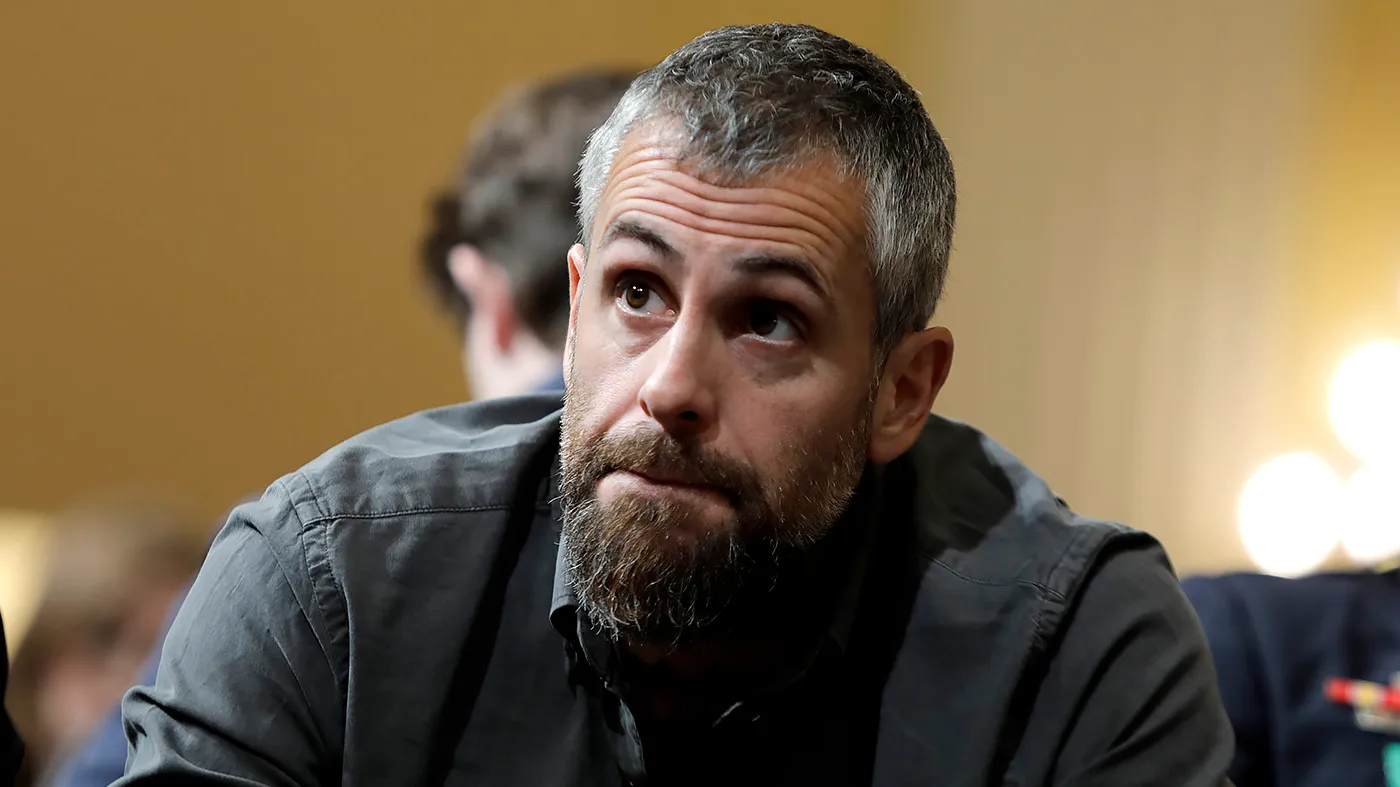
Since that fateful day, Fanone has transformed his traumatic experience into a powerful narrative advocating for police reforms and holding perpetrators accountable. He has appeared before Congress, sharing his story and emphasising the need for legislative change. His efforts attracted national attention, highlighting the challenges facing law enforcement officers, many of whom feel unsupported in the aftermath of the insurrection.
Impact on Society and Future Prospects
The aftermath of January 6 continues to reverberate throughout American culture and politics. Fanone’s story serves as a stark reminder of the risks faced by law enforcement while trying to uphold democracy. His advocacy shines a light on the importance of unity and integrity in public service. As discussions regarding police reform and accountability continue, Fanone remains committed to ensuring that lessons are learned from the past to prevent such violence from recurring.
Conclusion
Michael Fanone’s experiences during the January 6 Capitol insurrection reveal not just the dangers faced by those in law enforcement, but also the critical importance of safeguarding democratic institutions. As he pushes for reform, his story encourages accountability, highlighting the necessity of honouring the bravery of officers who respond to threats against democracy. As the nation moves forward, Fanone’s voice remains crucial in the quest for healing and change.