Introduction
River otters (Lutra lutra) are intriguing aquatic mammals that play a vital role in maintaining the health of river ecosystems. Found in numerous waterways across the UK, these creatures are not only admired for their playful behaviour and charismatic appearance but also serve as key indicators of environmental quality. As their populations face threats such as habitat loss and pollution, understanding their behaviour, role in ecosystems, and conservation status becomes increasingly important.
Habitat and Distribution
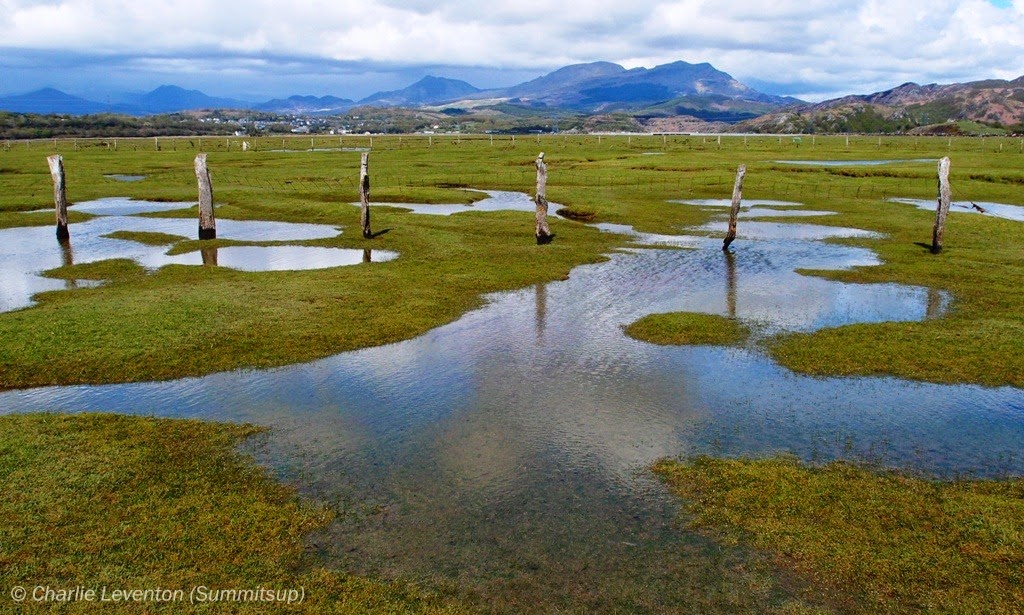
River otters inhabit a wide range of aquatic environments, including rivers, streams, lakes, and wetlands. They are often found in clean, unpolluted waters where they can hunt for food effectively. In the UK, river otters are distributed throughout England, Scotland, and Wales, though they were historically reduced in number due to hunting and habitat destruction. Conservation efforts have aided in their recovery, with populations rebounding in many areas.
Behaviour and Diet
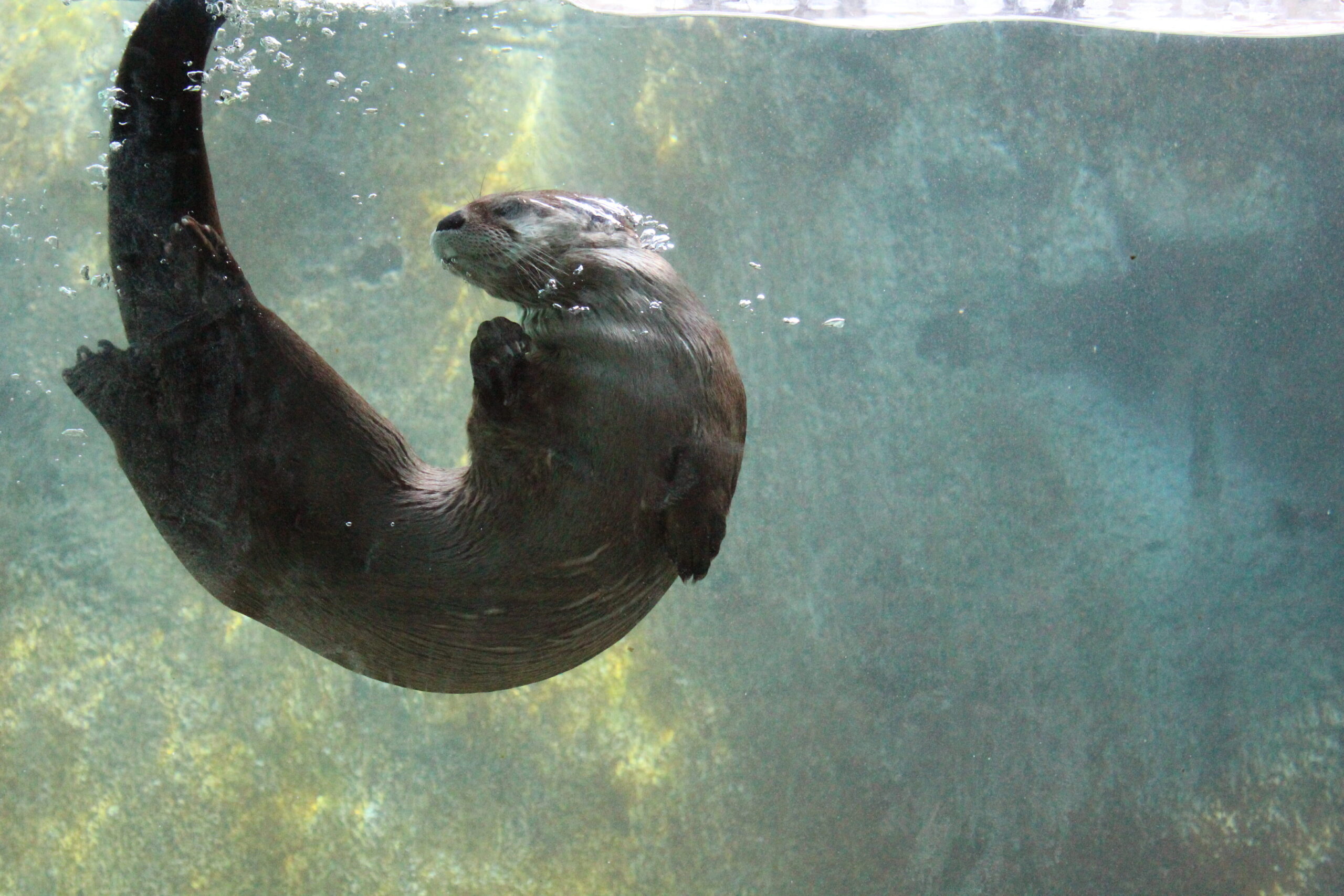
River otters are primarily nocturnal and are known for their playful antics, often seen sliding down mud or snowbanks, and engaging in social play with family members. They are carnivorous mammals that primarily feed on fish, crustaceans, and small mammals. Their skilled swimming abilities, aided by a streamlined body and webbed feet, make them proficient hunters in aquatic environments. This adaptability to their surroundings allows them to thrive in various types of freshwater habitats.
Conservation Status
In the UK, the river otter was once nearly extinct due to urbanisation, pollution, and hunting. However, ongoing conservation efforts have led to significant population recovery. Presently, river otters are protected under the Conservation of Habitats and Species Regulations (2017), which prohibits their intentional capture and harm. Despite this, they still face threats from habitat degradation, road traffic, and pollution which can impact their food sources. Conservation groups are actively involved in monitoring populations and advocating for the protection of river habitats.
Conclusion
The river otter serves as a reminder of the intricate connection between wildlife and healthy ecosystems. Their presence indicates a balanced and clean aquatic environment. As we face ongoing environmental challenges, the future of river otters will depend on sustained conservation efforts and habitat protection. Engaging local communities in conservation initiatives can enhance the survival of this beloved species while ensuring the preservation of their habitats for generations to come.