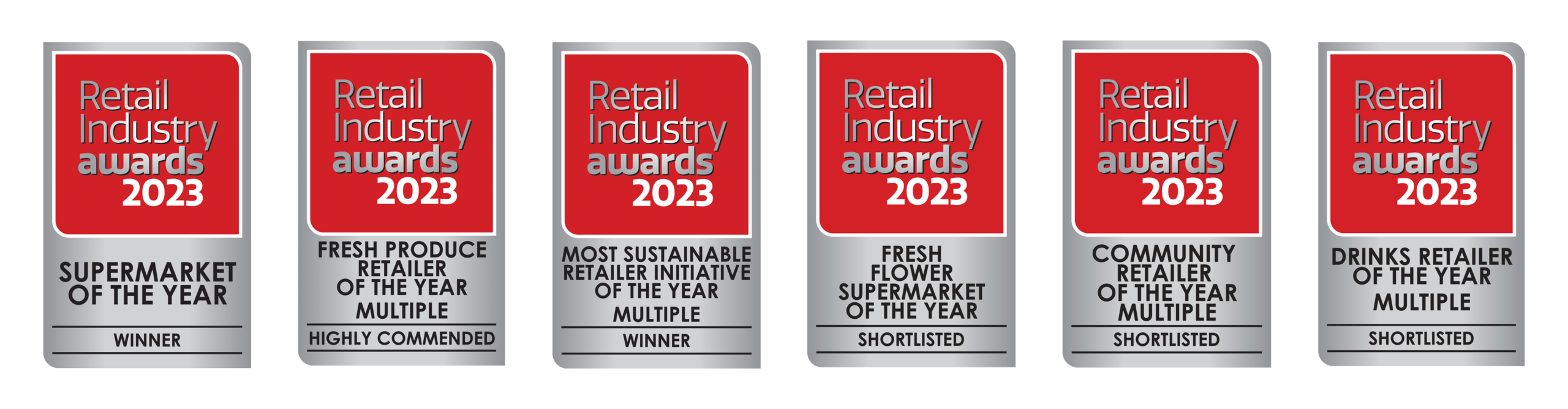
Introduction: The Rise of Lidl
Lidl, the German discount supermarket chain, has become a household name in the UK over the past few years. With its focus on providing quality products at low prices, Lidl’s reputation has grown significantly, attracting a diverse customer base. The importance of understanding Lidl’s business model and expansion strategy is crucial as the grocery sector continues to evolve, especially during a time when consumers are becoming increasingly cost-conscious due to economic pressures.
Main Body: Lidl’s Market Strategy
Founded in the 1930s, Lidl has steadily expanded its presence in the UK since entering the market in 1994. As of 2023, Lidl operates over 900 stores across the country, with plans to increase this number to 1,200 by the end of 2025. This rapid growth highlights Lidl’s commitment to the UK market and its strategy of providing a no-frills shopping experience combined with high-quality private-label products.
According to a report from Kantar, Lidl has seen a year-on-year sales increase of 18.7%, making it the fastest growing supermarket in the UK. The chain has successfully attracted customers from other major retailers, benefitting from its competitive pricing and savvy marketing strategies. Promotional campaigns, seasonal product offerings, and an emphasis on local goods have contributed to its rising popularity.
In recent months, Lidl has also adapted to changing consumer preferences by expanding its online shopping options and enhancing its delivery services. The pandemic accelerated the need for online grocery shopping, and Lidl has responded by refining its logistics and digital platforms, ensuring that customers have a seamless shopping experience whether in-store or online.
Conclusion: Future Prospects for Lidl
The significance of Lidl’s growth in the UK market cannot be understated as it continues to reshape consumer shopping habits. Analysts project that as consumer demand for affordable groceries continues to rise, Lidl is well-positioned to increase its market share. The chain’s commitment to sustainability, with initiatives aimed at reducing plastic usage and improving product sourcing, further underscores its strategic direction.
As Lidl competes with traditional supermarkets and newer entrants in the market, its ability to maintain low prices while offering quality products will be vital in retaining customer loyalty. For readers, understanding Lidl’s operational strategies might provide insights into the future of grocery shopping, highlighting trends and choices in an increasingly competitive market.