Introduction
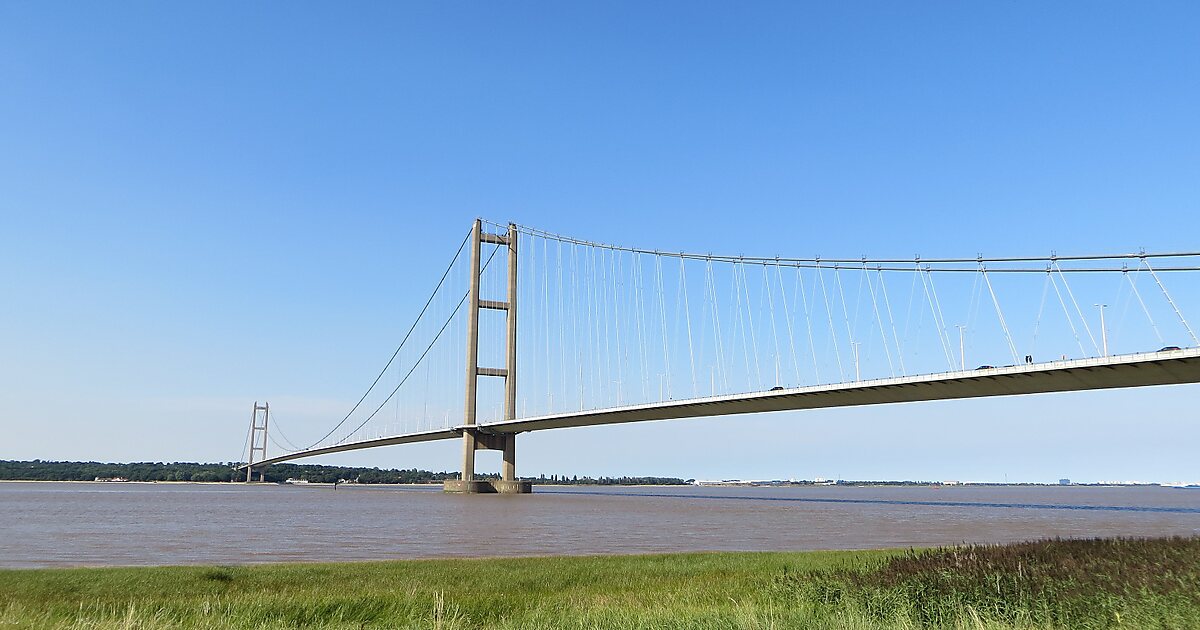
The Humber Bridge, a spectacular suspension bridge connecting Hull and the East Riding of Yorkshire, is not only an architectural marvel but a vital transport link in the UK. Spanning over 1,400 metres, it was once the world’s longest single-span suspension bridge when it opened in 1981. Its significance extends beyond just a transit route; it represents a unique blend of engineering prowess and cultural heritage.
The Engineering Triumph
Designed by the esteemed architect Sir Terry Farrell and constructed by the British firm of engineers, the bridge’s design was ahead of its time, incorporating advanced materials and techniques prevalent in the 1970s. The project faced numerous challenges, including budget constraints and environmental concerns, yet it ultimately completed its construction for a cost of £151 million—a significant investment for the era.
Societal Impact and Accessibility
Today, the Humber Bridge serves as a crucial artery for the local economy, facilitating transport and trade between Yorkshire and Lincolnshire. This connectivity has bolstered local businesses and tourism, inviting visitors to experience the scenic views of the Humber estuary. In recent years, efforts have been made to enhance accessibility, including the introduction of new cycling paths and walking routes, encouraging activity and promoting a healthier lifestyle.
Recent Developments
In light of increasing traffic and the need for maintenance, a comprehensive refurbishment plan has been implemented to ensure its longevity. Work includes routine inspections and enhancements to its structural elements. Moreover, interest in the bridge has led to discussions about incorporating visitor centres and exhibition spaces to celebrate its history and importance. 2023 has seen a surge in community events held at the bridge, further solidifying its status as a cultural landmark.
Conclusion
The Humber Bridge remains a testament to human ingenuity and dedication to innovation in engineering. As it stands an iconic part of the region’s identity, the bridge not only connects places but also brings together communities. Its future looks promising, with ongoing investments aimed at preserving its structural integrity and enhancing visitor experience, making it relevant for generations to come. For locals and tourists alike, the Humber Bridge is more than just a crossing; it’s a symbol of pride and progress.