Introduction
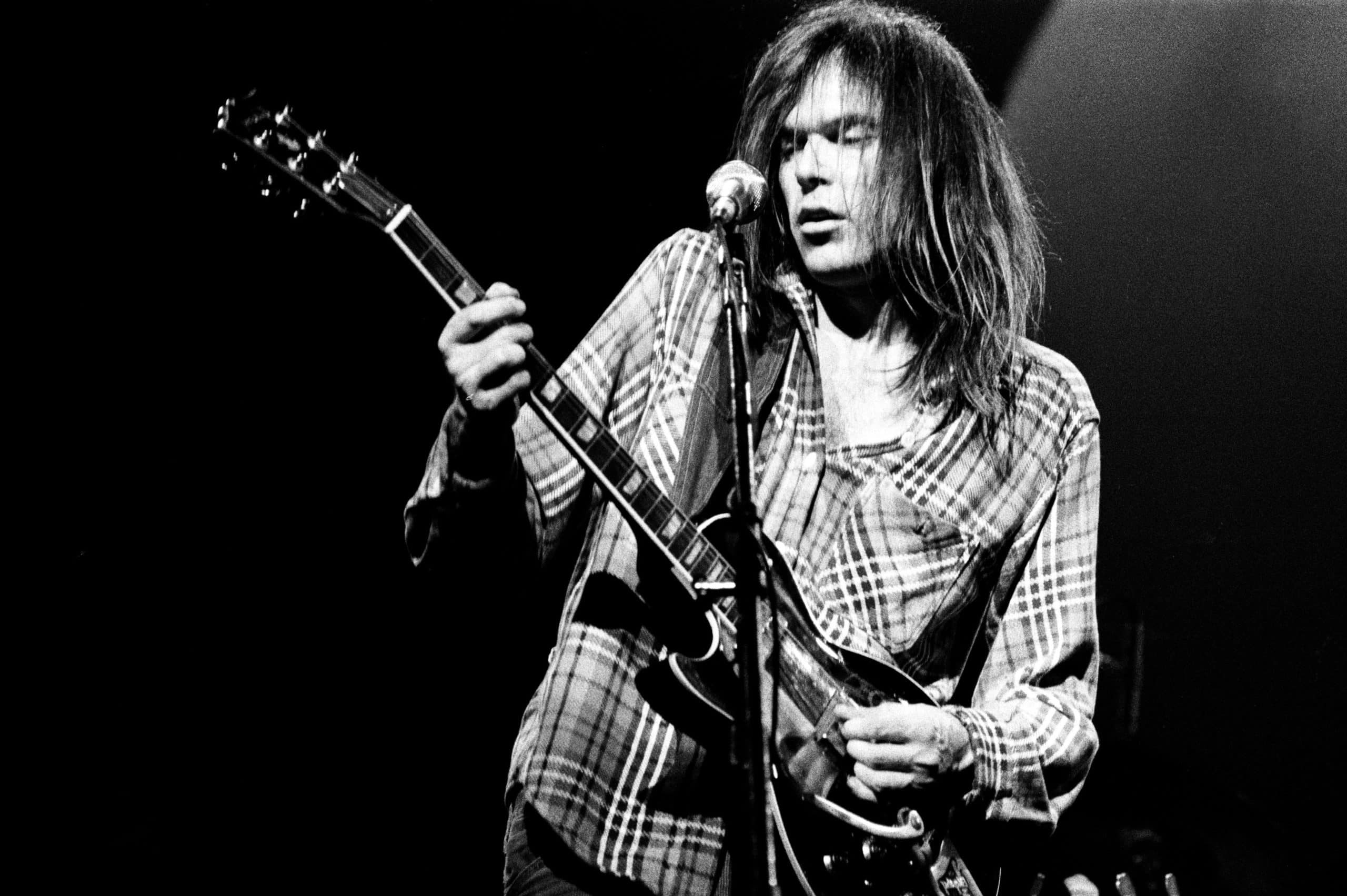
Neil Young, the iconic Canadian singer-songwriter, has long been a significant figure in music and culture since his debut in the 1960s. His unique blend of rock, folk, and country, combined with his emotive songwriting, has earned him a dedicated fanbase and critical acclaim. Moreover, Young’s activism, particularly in environmental and political issues, underscores his relevance in contemporary society. As he continues to produce new music and engage with pressing social concerns, understanding his influence is more important than ever.
A Musical Journey
Neil Young was born on November 12, 1945, in Toronto, Canada. His career began in the 1960s with the band Buffalo Springfield, where he gained recognition for hits like “For What It’s Worth.” Over the decades, he has released numerous albums, both solo and with bands like Crazy Horse, and has produced timeless classics including “Heart of Gold” and “Cinnamon Girl.” In 2023, Young released a new album, featuring a mix of original songs and reimagined classics, showcasing his continued evolution as an artist.
Activism and Advocacy
Aside from music, Neil Young is known for his strong stance on various social issues, particularly environmental concerns. He has been vocal in campaigns against climate change, advocating for renewable energy sources and sustainable practices in the music industry. His recent involvement in the “Climate Crisis” concerts aims to raise funds and awareness for environmental causes. Young’s dedication to activism demonstrates how his artistry intertwines with his commitment to creating a better world.
Recent Events
In 2023, Neil Young made headlines not only with his music but also with his principled stand on artists’ rights, particularly regarding streaming platforms. He has voiced concerns over inadequate compensation for artists, sparking dialogues about fair practices in the music industry. Additionally, his public disagreements with prominent tech companies illustrate his unwavering belief in the value of artistic integrity and musician contributions.
Conclusion
Neil Young remains a pivotal figure in both music and activism, using his platform to influence change and inspire fans. His recent projects illustrate an artist still passionate about expressing his views and advocating for critical issues. As Young continues to tour and release new music, his legacy as an influential musician and activist will undoubtedly endure, providing a voice for generations to come. For readers, understanding Neil Young’s impact serves as a reminder of the power of art in shaping societal values and fostering change.