Introduction
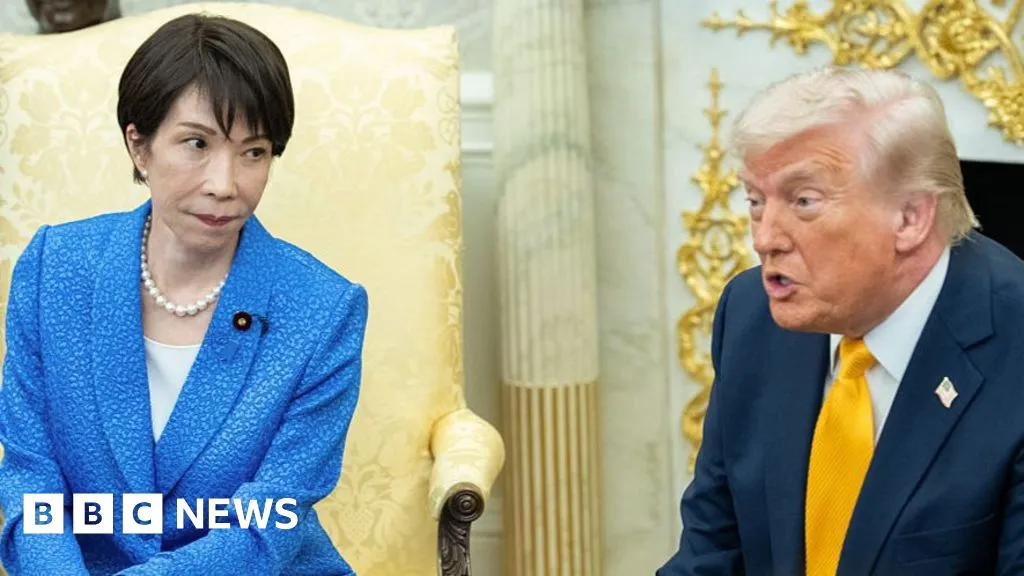
The relationship between the United States and the United Kingdom has long been characterized by mutual respect and cooperation, particularly concerning military alliances. Recently, comments made by former President Donald Trump regarding British troops have sparked a significant amount of discussion and controversy. Understanding these statements is essential, as they highlight not only Trump’s views but also the ongoing dynamics of transatlantic relations.
The Context of Trump’s Comments
During a recent interview, Trump remarked on the readiness and capabilities of British troops, suggesting that they were not as prepared as their American counterparts. He implied that this lack of preparedness could be detrimental to joint operations and our collective security efforts in various global hotspots.
These statements were met with immediate backlash, particularly from UK military officials and defense analysts, who argue that British forces have demonstrated significant operational competence, particularly in recent missions within NATO frameworks. Some observers noted that Trump’s comments might undermine the morale of British troops and lead to a misperception about the UK’s military capabilities.
Reactions from the UK
Senior UK officials have responded strongly to Trump’s remarks. Defence Secretary Ben Wallace defended the professionalism of British troops, stating that they possess exemplary skills and readiness. Wallace’s statement echoes comments made by other military leaders, emphasising that the United Kingdom remains a key player within NATO and has a proud history of military professionalism.
Moreover, former generals and military analysts in the UK have pointed out that Trump’s assessment appears to overlook the collaborative efforts in military exercises and operations that British forces have participated in alongside their US counterparts.
Political Implications
The political implications of Trump’s statements also deserve scrutiny. As the UK prepares for a range of potential threats, including those posed by Russia and terrorism, consistent support from the US has been deemed vital. Trump’s criticisms may raise concerns regarding the future commitments of the US to NATO and its allies under a more isolationist foreign policy.
Conclusion
In summary, Trump’s remarks regarding British troops have ignited a debate about military readiness, international relations, and mutual respect among allies. As global threats continue to evolve, it remains crucial for the US and UK to maintain a unified front. With NATO responding to increasing tensions worldwide, the dynamics of this discussion will undoubtedly influence future military collaborations. For readers, understanding these developments not only provides insight into current diplomatic relations but also highlights the importance of maintaining strong alliances in a changing global landscape.