Introduction
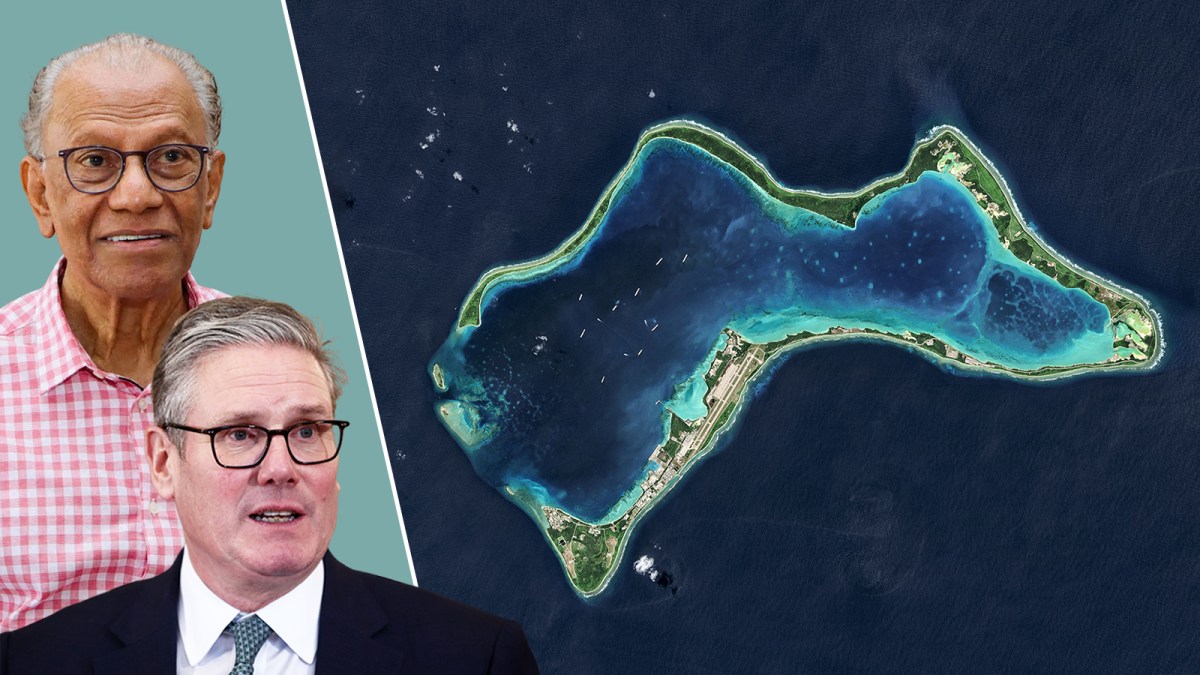
The Chagos Archipelago, a group of islands in the Indian Ocean, is at the centre of an ongoing territorial dispute that reflects broader issues of colonialism, sovereignty, and international law. Its significance extends beyond geographical boundaries, as it involves human rights concerns and discussions over military strategy and colonial legacy.
Background of the Dispute
The Chagos Archipelago was part of Mauritius until 1965, when the UK separated it from Mauritius, which was preparing for independence, to establish a military base on Diego Garcia. The United States later installed its military facilities, significantly influencing regional geopolitics. Approximately 2,000 Chagossians were forcibly removed from their homes, creating a historical context of displacement and human rights violations.
Recent Developments
In recent events, the U.N. General Assembly passed resolutions reaffirming that the UK must end its administration of the islands and facilitate the return of the Chagossian people. The International Court of Justice (ICJ) also provided an advisory opinion in 2019 asserting that the UK’s continued control over the islands is illegal. Despite international pressure, the UK has maintained its stance, arguing that the military base is crucial for global security interests.
Human Rights Implications
The Chagosians continue to seek justice and the right to return to their homeland. Various advocacy groups and international bodies have called for reparations and recognition of their plight, highlighting the ongoing human rights violations stemming from colonial practices. The narrative surrounding Chagos serves as a reminder of the lingering impacts of colonialism, raising critical questions about sovereignty and indigenous rights in the 21st century.
Conclusion
As the dispute over the Chagos Archipelago unfolds, its implications for international law and human rights remain significant. The potential for a resolution that acknowledges the rights of the Chagossians could set a precedent for other post-colonial disputes worldwide. The situation in Chagos underscores the need for a collaborative international approach to resolving such territorial anomalies, ensuring that the rights and voices of displaced peoples are not forgotten. The road ahead is uncertain, but the desire for justice and the reclamation of homeland continues to resonate strongly among the Chagossian community.