Introduction
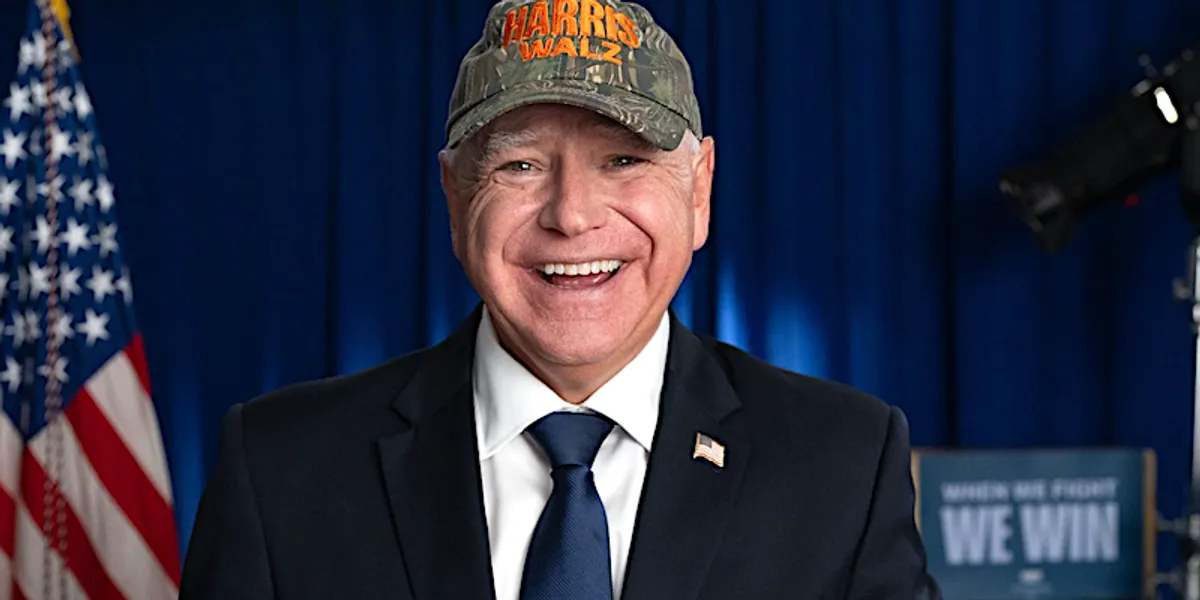
Tim Walz, the current Governor of Minnesota, has been at the forefront of state governance, particularly during challenging times such as the COVID-19 pandemic. Since assuming office in January 2019, his leadership style and policies have significantly impacted Minnesota’s political landscape, focusing on education, healthcare, and environmental sustainability.
Key Initiatives and Policies
Recently, Governor Walz has championed various initiatives aimed at fostering economic recovery and addressing social issues exacerbated by the pandemic. Among his notable efforts is the proposed budget for the 2024-2025 fiscal year, which aims to invest over $7.7 billion in education. This investment seeks to bolster resources for K-12 schools, expand early childhood education, and make college more affordable for residents.
Another critical area of focus has been healthcare. The Walz administration has advocated for increased access to mental health services, especially in the wake of rising concerns stemming from the pandemic’s impact on mental well-being. In his latest proposals, there is a strong emphasis on funding for mental health crisis teams and expanding telehealth services, which have proven essential during recent times.
Environmental Initiatives
Governor Walz is also committed to environmental sustainability. His administration’s ‘One Minnesota’ plan includes ambitious strategies aimed at meeting renewable energy targets and addressing climate change. In 2023, Walz announced policies to transition Minnesota to 100% clean energy by 2040, which aligns with his vision to create a sustainable future for the state’s residents.
Challenges and Opposition
Despite these initiatives, Tim Walz faces significant challenges. His budget proposals have met opposition from some state lawmakers who argue about the feasibility of such expenditures without increasing taxes. Critics have raised concerns about the impacts of inflation, pushing for a more balanced approach that addresses immediate economic pressures faced by residents.
Conclusion
As Tim Walz continues to lead Minnesota, the implications of his policies will play a critical role in shaping the state’s future. By focusing on education, healthcare, and environmental initiatives, he aims to create a more equitable society. However, the effectiveness of these strategies will depend on collaboration with lawmakers and the responsiveness of Minnesotans to the ongoing challenges. Governor Walz’s leadership will undoubtedly influence Minnesota for years to come, and the eyes of both supporters and critics will remain focused on his next steps.